🗺 GoRoutes.uz
💬 Launch Telegram Bot✨ Welcome to the Great Silk Road!
Discover ancient cities across Uzbekistan with your personal audio guide. All landmarks along the routes are arranged in a convenient location-based sequence.
City: Бухара
 0:00
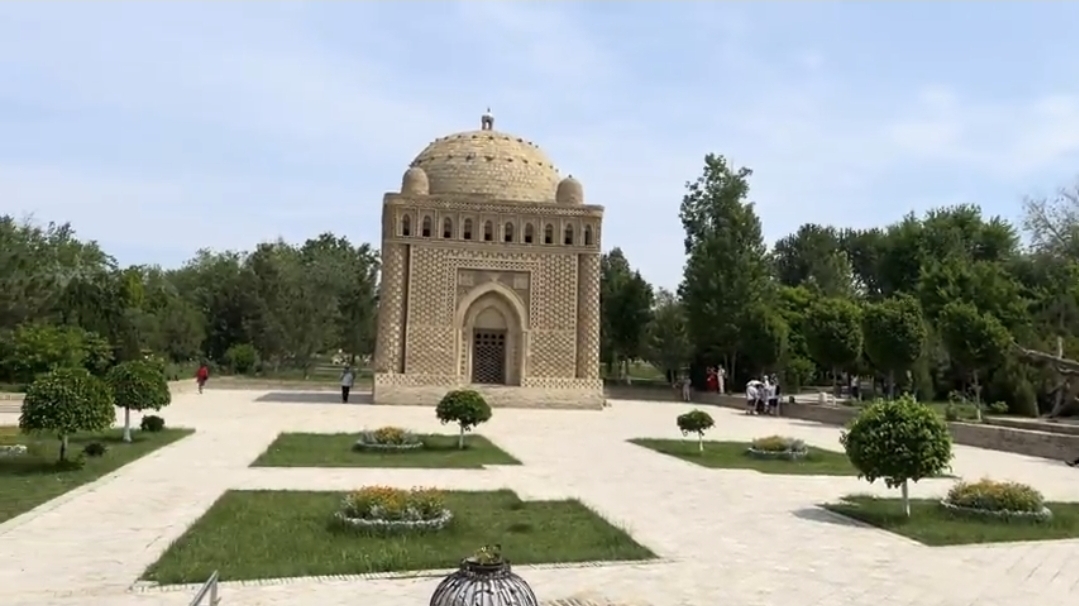
The Samanid Mausoleum
🎧
Listen Audio Guide
⏱ Working hours: 08.00-19.00
💰 Ticket: 20000 sum
📍 Address: https://maps.app.goo.gl/JApMvpnsoTBjKEzq5?g_st=ac
The Samanid Mausoleum is a masterpiece of early Islamic architecture and one of the oldest architectural monuments in Uzbekistan, located in the historic center of Bukhara. This unique dynastic tomb was erected at the end of the ninth and the beginning of the tenth century by the Samanid rulers, serving notably as the resting place for the founder of the dynasty, Ismail Samani. The structure is world-renowned for its flawless cubic volume, hemispherical dome, and extraordinarily sophisticated brickwork that creates a mesmerizing play of light and shadow, resembling fine woven fabric. This historical monument is inscribed on the UNESCO World Heritage list and attracts numerous researchers and travelers from all over the globe with its timeless beauty. Access to the surrounding
City: Бухара
 0:00
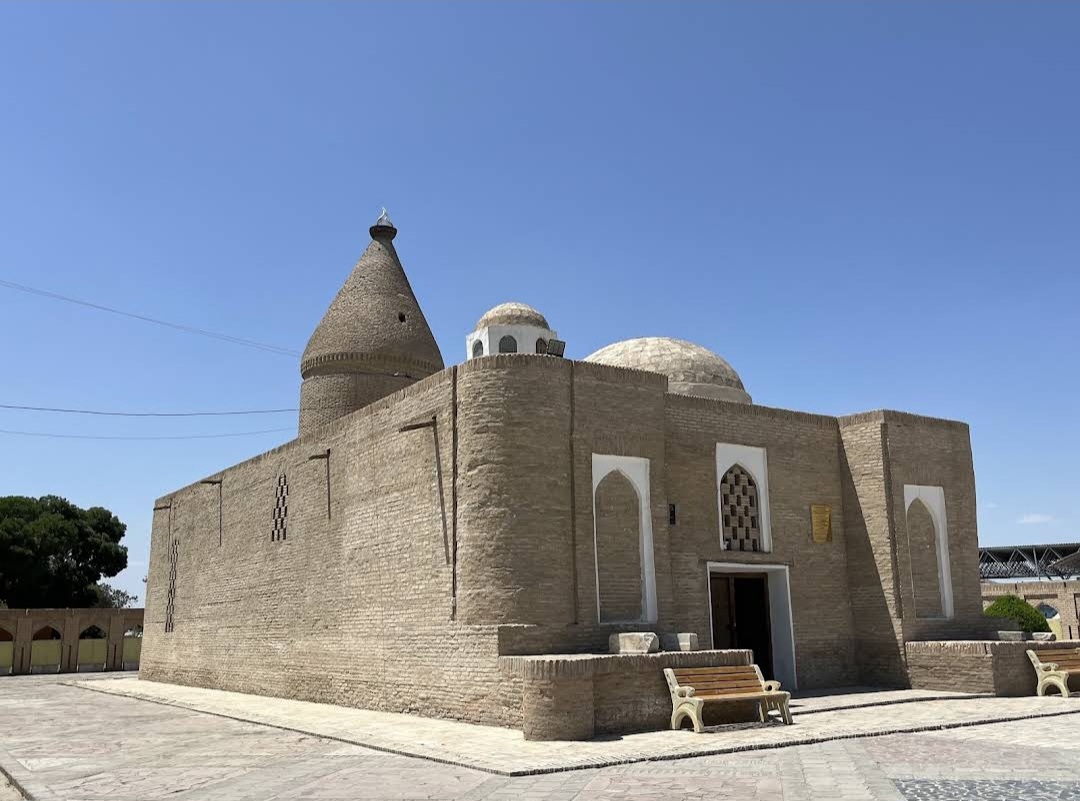
The Chashma-Ayub
🎧
Listen Audio Guide
⏱ Working hours: 08.00-19.00
💰 Ticket: 15000 sum
📍 Address: https://maps.app.goo.gl/fDuP1fmoGxEJv13X6?g_st=ac
The Chashma-Ayub Mausoleum is a unique historical and architectural monument in Bukhara, whose name translates as the "Well of Job." According to ancient legend, during a severe drought, local residents appealed to the prophet Job (Ayub) for help, after which he struck the ground with his staff, causing a pure healing spring to gush forth, which flows to this day. The current building of the complex was erected in the twelfth century under the Karakhanids and was repeatedly reconstructed in later eras, acquiring a distinctive conical tent-like dome reminiscent of Khorezmian architecture. Inside the complex, there is a water museum dedicated to the history of water supply and ancient irrigation traditions in the arid region of Central Asia.
City: Бухара
 0:00
The Imam al-Bukhari Memorial Museum
🎧
Listen Audio Guide
⏱ Working hours: 09.00-17.00
💰 Ticket: 20000 sum
📍 Address: https://maps.app.goo.gl/dh9tVs8facidx1kw6?g_st=ac
The Imam al-Bukhari Memorial Museum in Bukhara is an important cultural and educational center dedicated to the life and monumental scientific legacy of the preeminent Islamic theologian and hadith scholar Abu Abdullah Muhammad ibn Ismail al-Bukhari. The museum building is situated in the historic part of the city, right opposite the famous Chashma-Ayub Mausoleum, attracting numerous pilgrims and researchers from around the world. The exhibition is housed in a distinctive circular building, detailing the centuries-long history of Islamic science, rare manuscripts, and the enduring significance of his primary work, the hadith collection "Al-Jami as-Sahih." Walking around the surrounding area and park is completely free of charge, while the admission ticket to enter the museum exhibition hall costs twenty thousand sums.
City: Бухара
 0:00
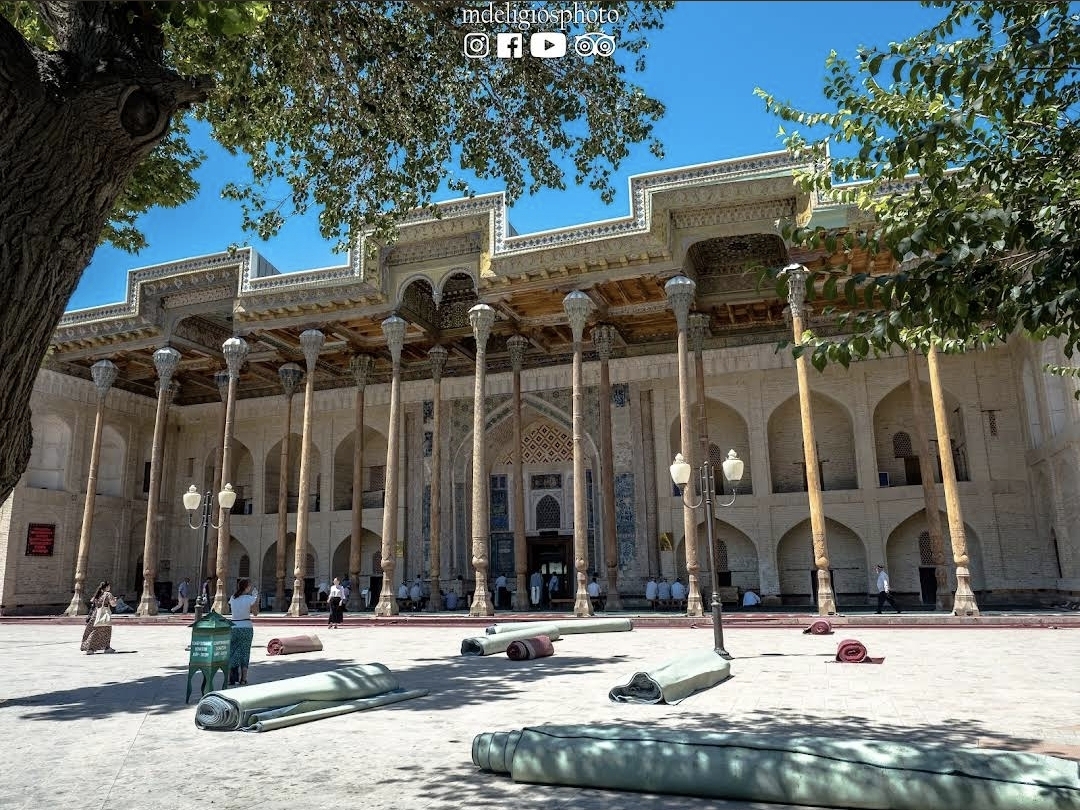
The Bolo Hauz Mosque
🎧
Listen Audio Guide
⏱ Working hours: 08.00-19.00
💰 Ticket: -
📍 Address: https://maps.app.goo.gl/3iGvK634itk8LzwS9?g_st=ac
The next point of our excursion is the beautiful Bolo Hauz Mosgue.
Its name means ‘Upper Pond Mosgue.’
The main part was built in the 1810
“The wooden terrace was built at the end of the 19th century.
Here you can see 20 columns, decorated in the traditional Bukharian style with stalactite ornaments.
The ceiling is also gorgeously decorated with a beautiful islimi pattern.
This mosgue is also known as ‘Forty Columns,’ but if you count them, you will see only 20.
The reason is simple: the other 20 columns are reflected in the pond water.”
“Mosques in Bukhara played an important role in the lives of Bukharan citizens, because they were not only places for prayer.
Here people learned about new laws and news, and spent time talking with other worshippers.”
City: Бухара
 0:00
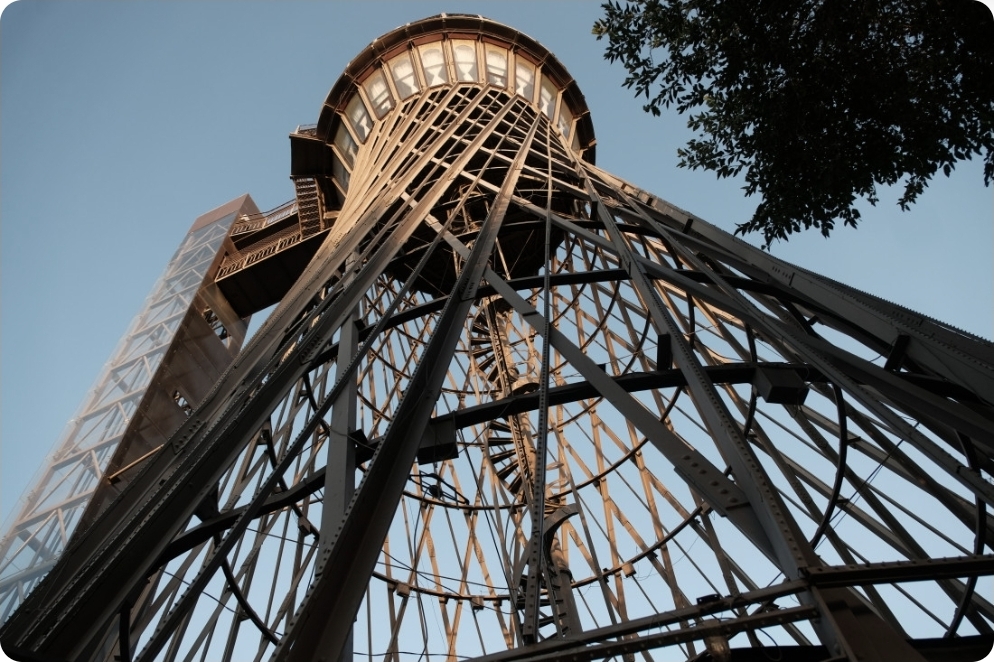
The Shukhov Tower
🎧
Listen Audio Guide
⏱ Working hours: 08.00-22.00
💰 Ticket: 40000 sum
📍 Address: https://maps.app.goo.gl/NqXA9sVxMkVv9qTQA?g_st=ac
The Shukhov Tower in Bukhara is a unique monument of engineering art and early Soviet constructivism, standing as one of the most unusual sights of the ancient city. This openwork hyperboloid steel-frame water tower was constructed in the late nineteen-twenties based on the famous design of the outstanding Russian engineer and architect Vladimir Shukhov. Originally, the structure served a vital practical function, providing uninterrupted water supply to the central part of the city. Today, this graceful metal tower is recognized as an object of cultural heritage and attracts numerous tourists and architecture enthusiasts from around the world.
City: Бухара
 0:00
The Ark Citadel
🎧
Listen Audio Guide
⏱ Working hours: 09.00-21.00
💰 Ticket: 60000 sum
📍 Address: https://maps.app.goo.gl/xf4xDUFbWC3tnYhX6?g_st=ac
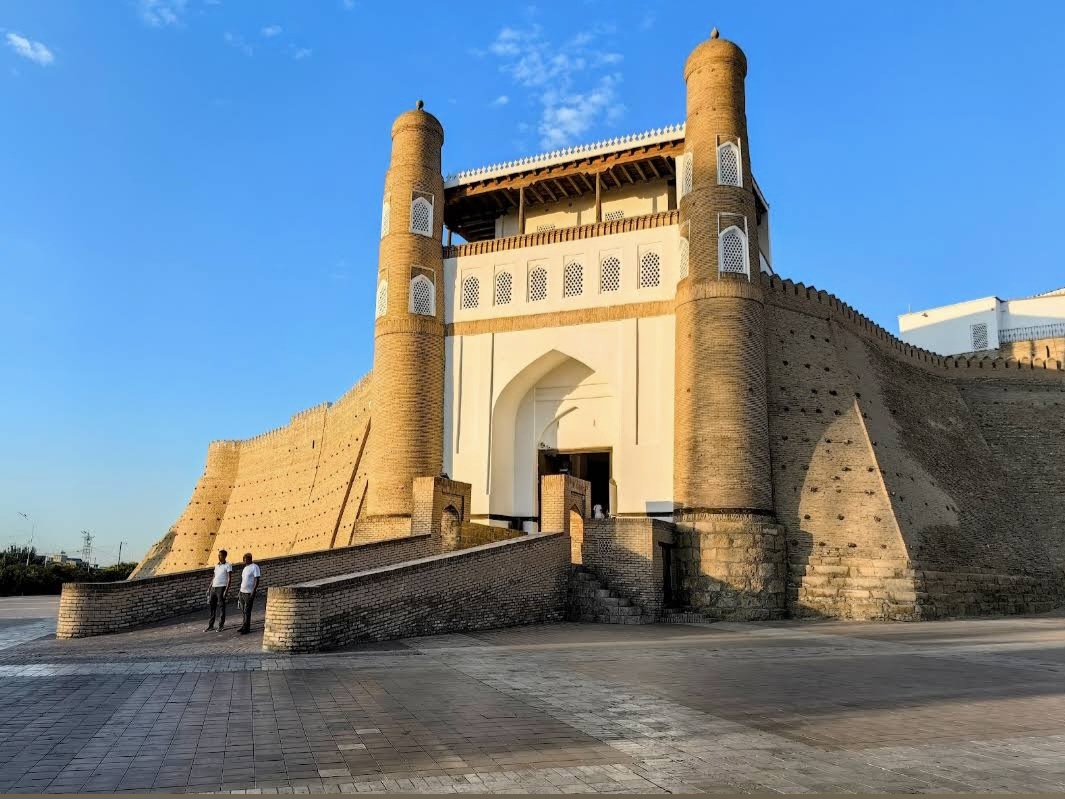
The Ark Citadel is a monumental fortress and the ancient heart of Bukhara, rising majestically on an artificial hill in the center of the historical city. The origins of this powerful stronghold date back to the fifth century AD, and over millennia of existence, it served as the residence of rulers, an unassailable citadel, and a fortified town within walls that housed emir palaces, mosques, treasuries, and a mint. The vast grounds of the fortress impress visitors with their monumental architecture, massive clay ramparts, and rich history preserving the memory of great empires. Walking around the outer square and surrounding historic streets is completely free of charge, while the admission ticket to enter the inner museum complex of the citadel costs sixty thousand sums. thank you for your attention to exit press the button
City: Бухара
 0:00
The Zindan (Emir’s Prison)
🎧
Listen Audio Guide
⏱ Working hours: 09.00-20.00
💰 Ticket: 20,000 UZS
📍 Address: https://maps.app.goo.gl/W5FRk2V9QQnE1YYi9?g_st=ac
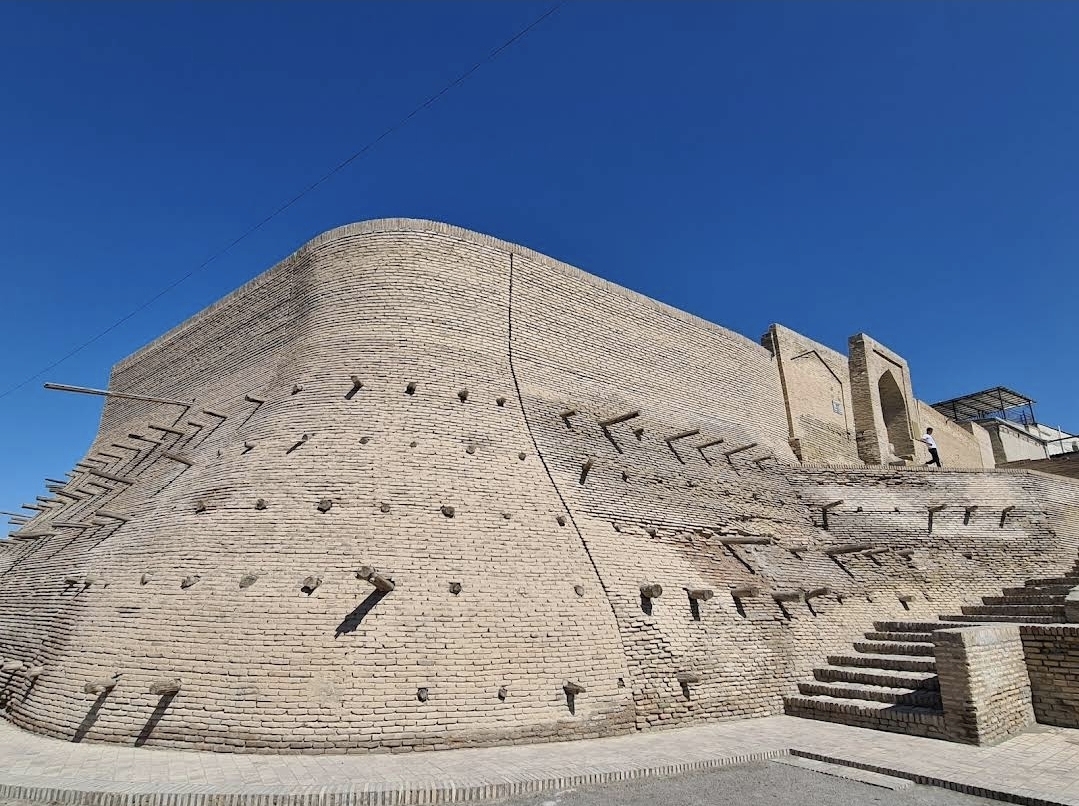
The Zindan (Emir’s Prison) in Bukhara is an 18th-century historical prison complex located just a short distance northeast of the Ark citadel. The word "zindan" translates from Persian as an underground dungeon or prison.
Architecture & Layout: The structure resembles a small, fortified stronghold with thick brick walls. It included above-ground cells for debtors and petty offenders, as well as its most notorious feature: the underground pit prison (known as a "black hole") measuring about 6.5 meters deep and 5 meters wide. Inmates and their food were lowered into this pitch-black, freezing pit using ropes. The courtyard also houses the shrine of Kuchkar-Ata, revered as a patron of prisoners.
Museum Exhibit: Today, the former prison operates as the Museum of Law and Justice of the Bukhara Emirate (late 19th to early 20th centuries). Lifelike mannequins inside the cells realistically recreate the grim penal conditions and judicial practices of the era. The admission fee for international visitors is 20,000 sums.
thank you for your attention
City: Бухара
 0:00
The Poi Kalon Ensemble
🎧
Listen Audio Guide
⏱ Working hours: -
💰 Ticket: 20000 sum
📍 Address: https://maps.app.goo.gl/jYGPmnKnrdnfnBtr5
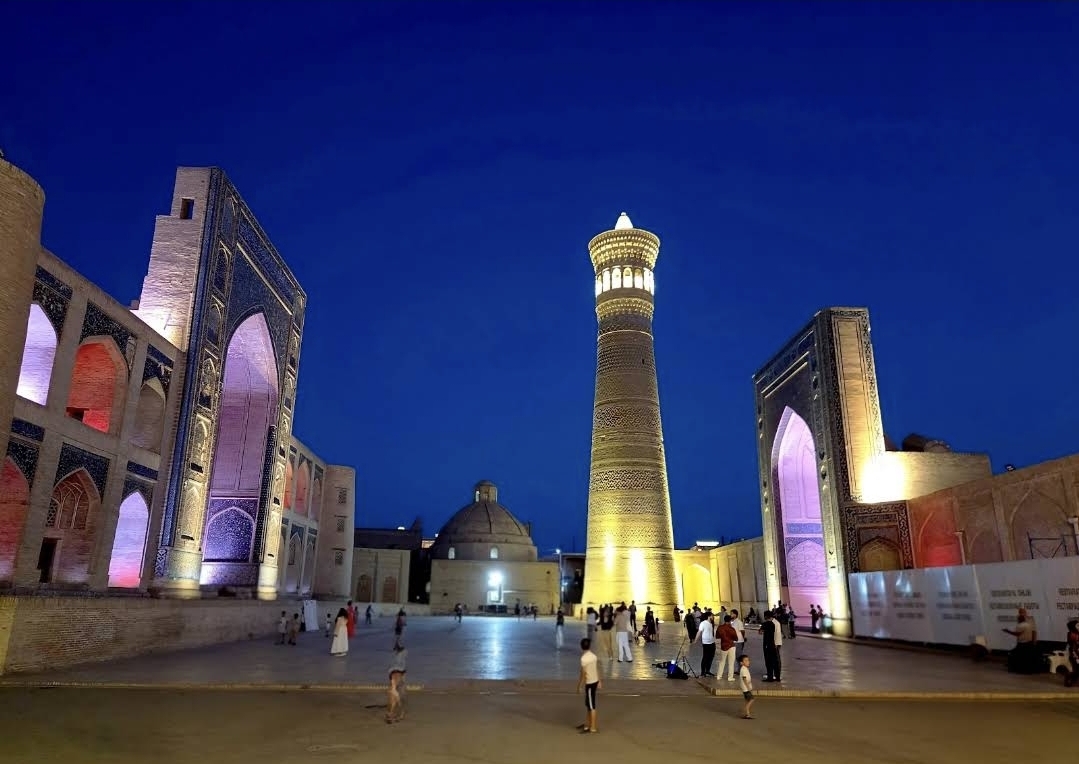
The Poi Kalon Ensemble is the majestic architectural heart of the historic center of Bukhara, uniting three prominent monuments of Islamic architecture: the famous Kalyan Minaret, the Kalyan Mosque, and the active Mir Arab Madrasah. Constructed at the intersection of ancient trade routes, the focal point of this grand complex is the forty-eight-meter Kalyan Minaret, erected in the early twelfth century under the Karakhanid ruler Arslan Khan, which astonishes visitors with its intricate brickwork featuring twelve distinct ornamental patterns. For centuries, this monumental complex served as the primary spiritual and religious center of the city, captivating travelers worldwide with its monumental scale and harmony. Walking across the public square and viewing the magnificent exterior architecture is completely free of charge, while entering the courtyards of the mosque and madrasah costs twenty thousand sums.
City: Бухара
 0:00
Toqi Zargaron (The Jewelers' Dome)
🎧
Listen Audio Guide
⏱ Working hours: -
💰 Ticket: -
📍 Address: https://maps.app.goo.gl/8J6YbFHPcYnxkyNk7
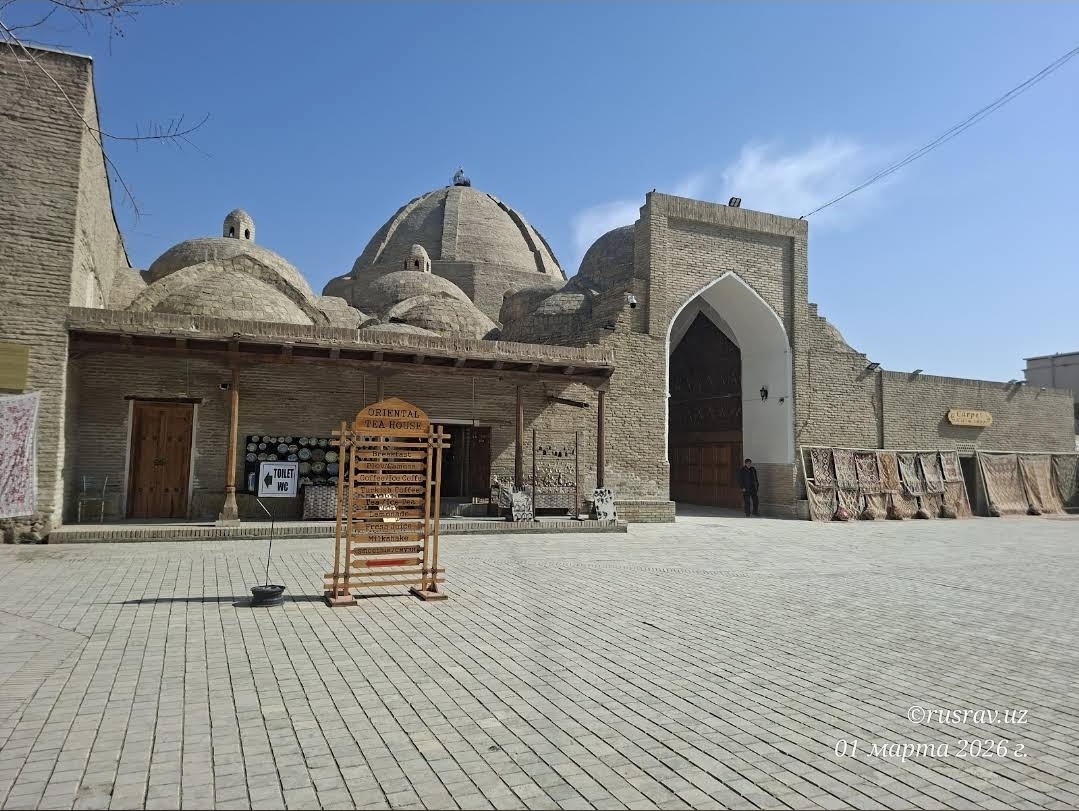
Toqi Zargaron (The Jewelers' Dome) is the largest, most grand, and northernmost of the surviving medieval covered bazaars in the historic center of Bukhara. This monumental vaulted trading dome was built in the late sixteenth century during the Shaybanid dynasty at the intersection of bustling caravan routes. The architectural structure features a powerful brick dome resting on massive pillars, beneath which dozens of traditional workshops and shops belonging to jewelers, goldsmiths, silversmiths, and gem merchants have historically operated. Today, life still thrives inside this historic shopping arcade: artisans offer travelers exclusive handcrafted jewelry, traditional wares, and oriental souvenirs. Walking through the trading dome and strolling along the ancient streets surrounding it is completely free of charge for all visitors.
City: Бухара
 0:00
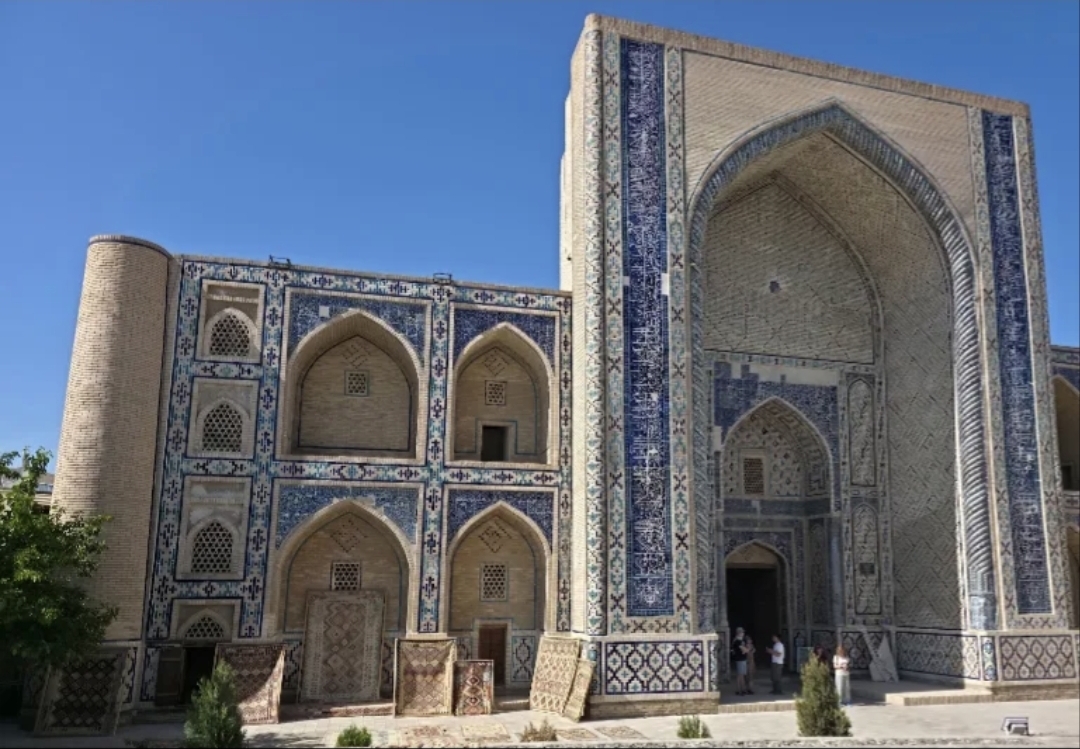
The Kosh-Madrasah ensemble
🎧
Listen Audio Guide
⏱ Working hours: 08.00-19.00
💰 Ticket: 20000 sum
📍 Address: https://maps.app.goo.gl/WoWi1mc2FzcaUZTu9
The Kosh-Madrasah ensemble in Bukhara is an outstanding architectural complex consisting of two ancient higher educational institutions built opposite each other according to the classical "kosh" (paired madrasahs) urban planning principle. This historic ensemble includes the famous Ulugh Beg Madrasah, constructed by the great astronomer and ruler Mirzo Ulugh Beg in fourteen seventeen, and the majestic Abdulaziz Khan Madrasah facing it, erected in sixteen fifty-two during the Ashtarkhanid dynasty. The architecture of the complex strikes a fascinating contrast between the restrained, elegant early Timurid style and the lavish, multicolored tilework and mosaics of the later period. Viewing the magnificent exterior facades and portals from the square is completely free of charge for all visitors, while entering the interior courtyards of the madrasahs costs fifteen thousand sums for each building.
City: Бухара
 0:00
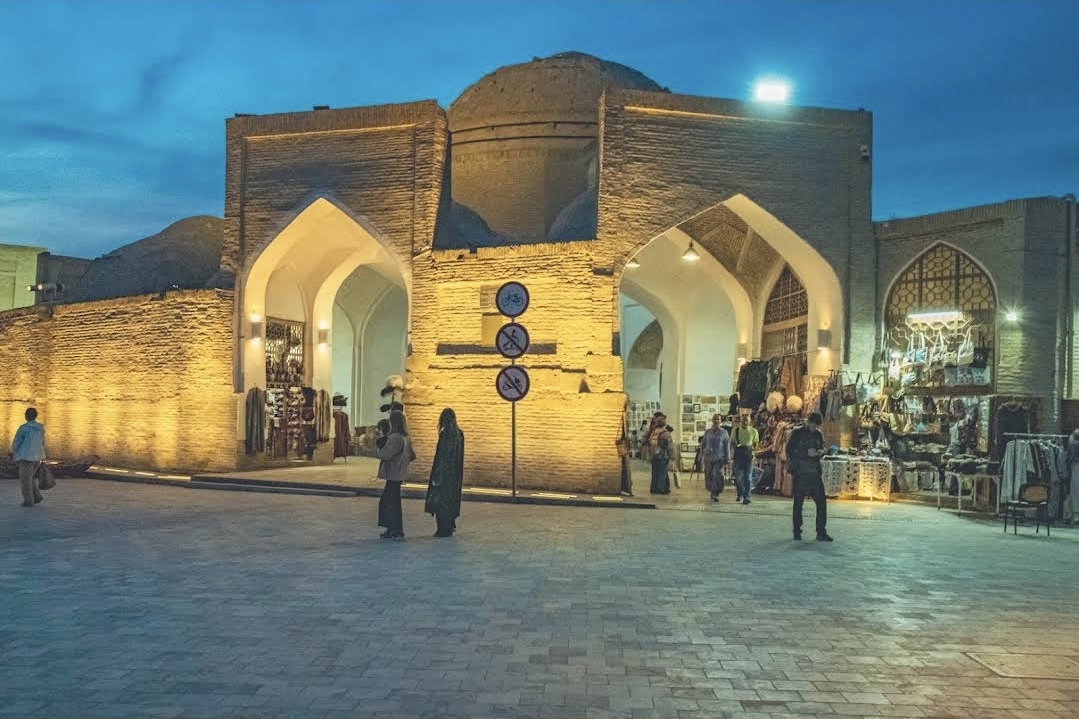
Toqi Telpakfurushon (The Cap Makers' Dome)
🎧
Listen Audio Guide
⏱ Working hours: -
💰 Ticket: -
📍 Address: https://maps.app.goo.gl/Tte5bBbyjWCuDaan6
Toqi Telpakfurushon (The Cap Makers' Dome) is one of the surviving magnificent medieval covered bazaars in the historic center of Bukhara, located at the intersection of ancient caravan routes. This monumental trading arcade was built in the late sixteenth century during the Shaybanid dynasty and features a hexagonal domed structure that skillfully connects several converging bustling streets. Historically, various headwear was traditionally traded under its vaults, among which famous Bukharan skullcaps (tubeteikas), fur hats, and hand-embroidered turbans enjoyed special popularity. Today, craft shops inside this unique architectural monument continue to operate, offering travelers traditional souvenirs and local artisanal goods. Walking through the trading dome and strolling along the ancient streets surrounding it is completely free of charge for all visitors.
City: Бухара
 0:00
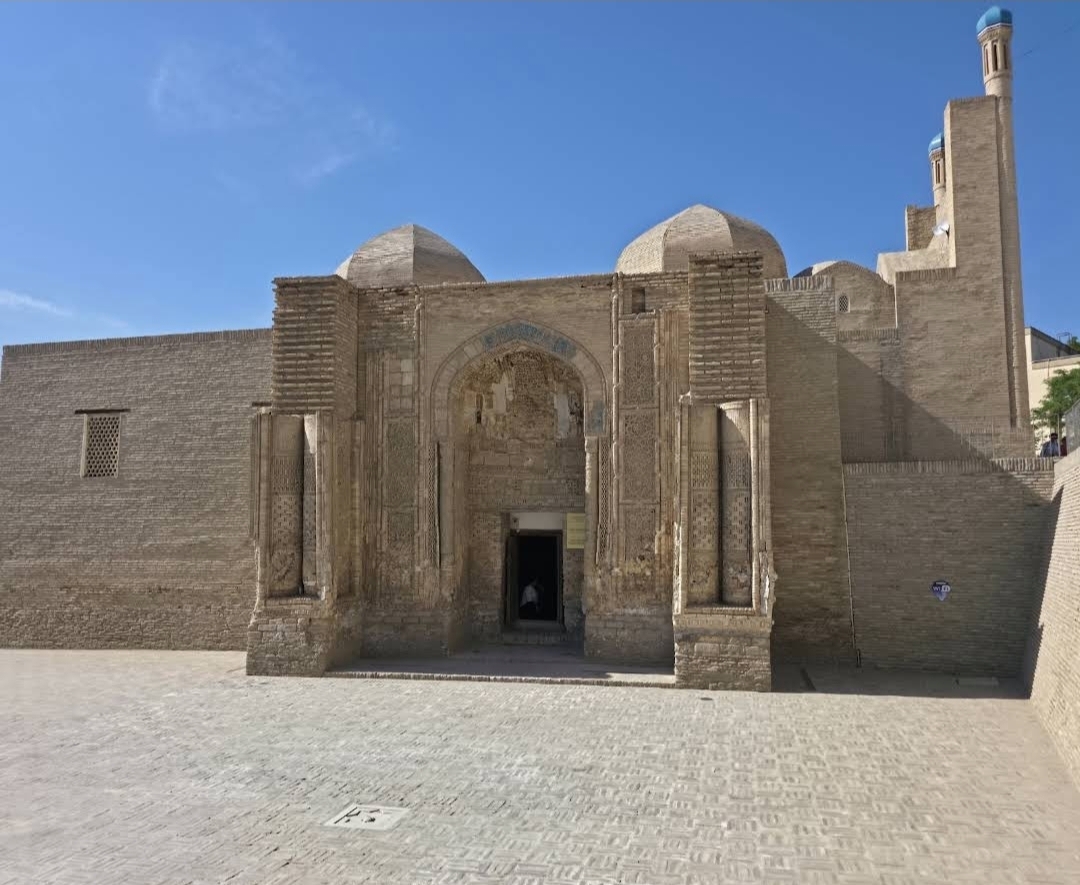
The Magoki-Attari Mosque
🎧
Listen Audio Guide
⏱ Working hours: 08.00-19.00
💰 Ticket: 20000 sum
📍 Address: https://maps.app.goo.gl/sMR5zqXs48M9HLDq7?g_st=ac
The Magoki-Attari Mosque is one of the oldest and most mysterious religious shrines of Bukhara, located in the historic center near the trading domes. This unique architectural monument was erected on the site of an even earlier pre-Islamic Zoroastrian fire temple and sanctuary, which is reflected in its name "Magoki," meaning "pit" or "underground," as centuries of accumulated cultural layers caused the building to sink significantly below the level of the modern street. The southern portal of the mosque, discovered by archaeologists in the early twentieth century, astounds visitors with its magnificent terracotta decor, carved brickwork, and exquisite ornaments dating back to the Karakhanid era of the eleventh and twelfth centuries. Viewing the exterior architecture and the unique portal from the public square is completely free of charge for all visitors, while entering the museum exhibition interior costs fifteen thousand sums. thaThe Magoki-Attari Mosque is one of the oldest and most mysterious religious shrines of Bukhara, located in the historic center near the trading domes. This unique architectural monument was erected on the site of an even earlier pre-Islamic Zoroastrian fire temple and sanctuary, which is reflected in its name "Magoki," meaning "pit" or "underground," as centuries of accumulated cultural layers caused the building to sink significantly below the level of the modern street. The southern portal of the mosque, discovered by archaeologists in the early twentieth century, astounds visitors with its magnificent terracotta decor, carved brickwork, and exquisite ornaments dating back to the Karakhanid era of the eleventh and twelfth centuries. Viewing the exterior architecture and the unique portal from the public square is completely free
City: Бухара
 0:00
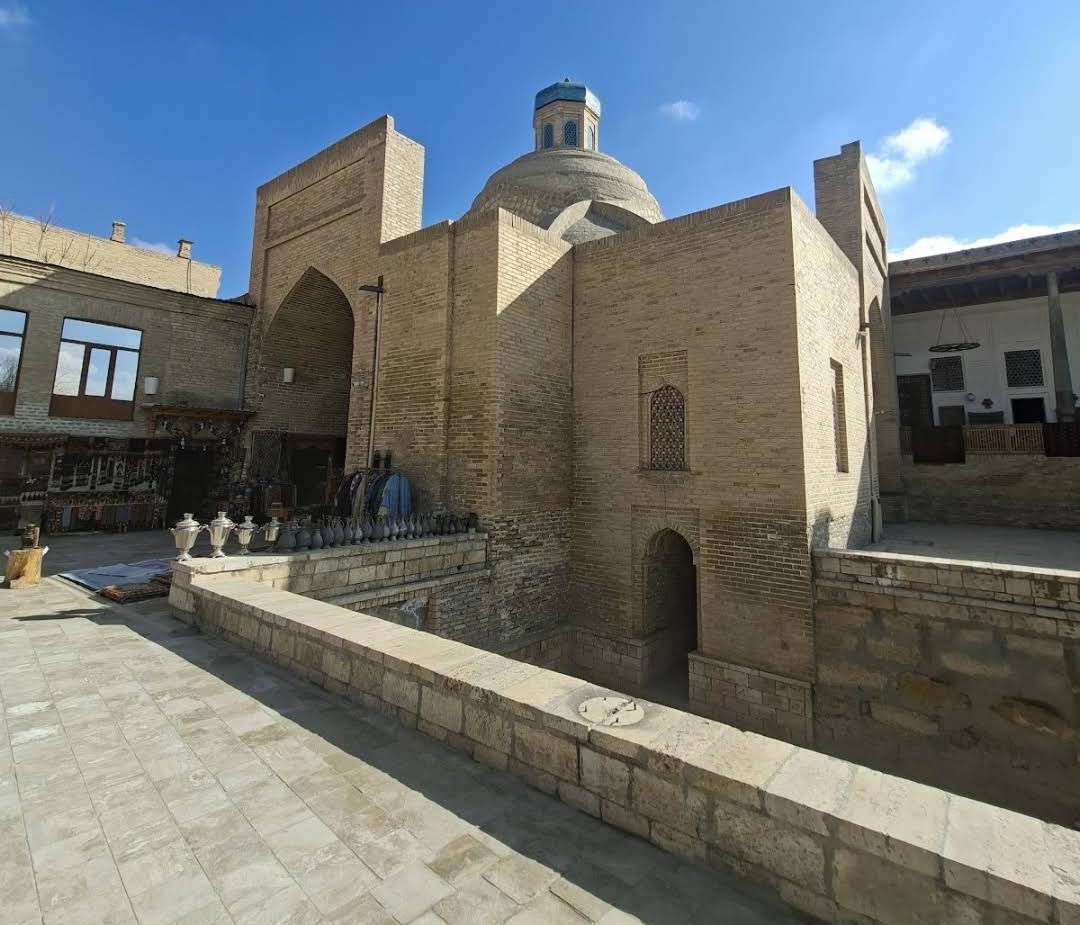
Toqi Sarrafon (The Money Changers' Dome)
🎧
Listen Audio Guide
⏱ Working hours: -
💰 Ticket: -
📍 Address: https://maps.app.goo.gl/Gg9WSSBkX44JcE1UA?g_st=ac
Toqi Sarrafon (The Money Changers' Dome) is one of the four surviving magnificent medieval covered bazaars in the historic center of Bukhara, located at the entrance to the ancient trading artery of the city. This monumental trading arcade was built in the sixteenth century during the Shaybanid dynasty at the intersection of roads leading from Registan. The name of the bazaar comes from "sarrafon"—money changers, because in the Middle Ages its massive vaults traditionally housed the main financial center of the city, where currency exchange for various states of the Great Silk Road, coin authentication, and financial operations took place. Today, lively trade continues beneath this historic brick dome: artisans offer guests unique souvenirs, antiques, and national jewelry. Walking through the trading dome and strolling along the ancient streets surrounding it is completely free of charge for all visitors.
City: Бухара
 0:00
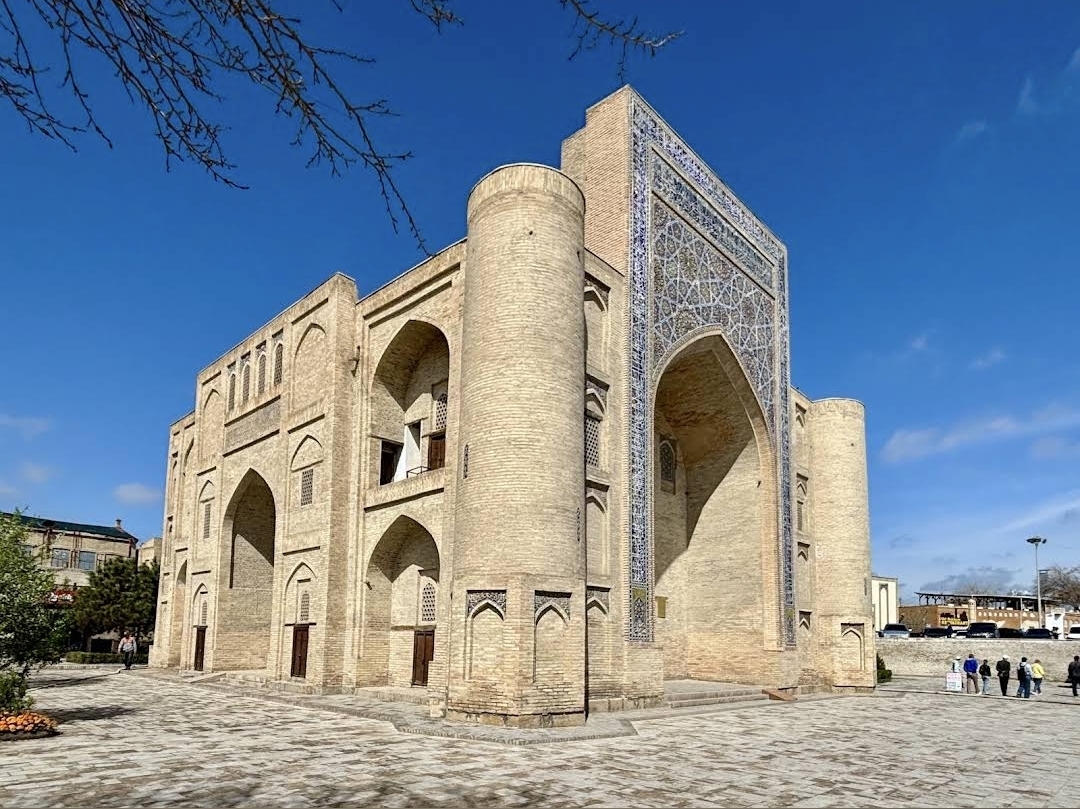
The Nodir Divan-begi Khanaqah
🎧
Listen Audio Guide
⏱ Working hours: 09.00-18.00
💰 Ticket: 20000 sum
📍 Address: https://maps.app.goo.gl/vyWhKecftCqKHppC9
The Nodir Divan-begi Khanaqah is an outstanding monument of late medieval architecture and a historic Sufi center in Bukhara, forming part of the famous Lyabi-Hauz ensemble. This majestic building was erected in the first half of the seventeenth century by order of the influential vizier Nodir Divan-begi and was originally intended as a hospice and sanctuary for dervishes, where Sufis gathered for prayer, spiritual discussions, and meditation. The khanaqah structure astounds visitors with its high cruciform central hall, impressive portal featuring delicate remnants of mosaic decor, and side cells for pilgrims. Today, a museum exhibition dedicated to the history of Sufism is also housed within the historic monument. Walking around the Lyabi-Hauz square and viewing the exterior facade of the khanaqah is completely free of charge for all visitors, while entering the museum exhibition interior costs twenty thousand sums.
City: Бухара
 0:00
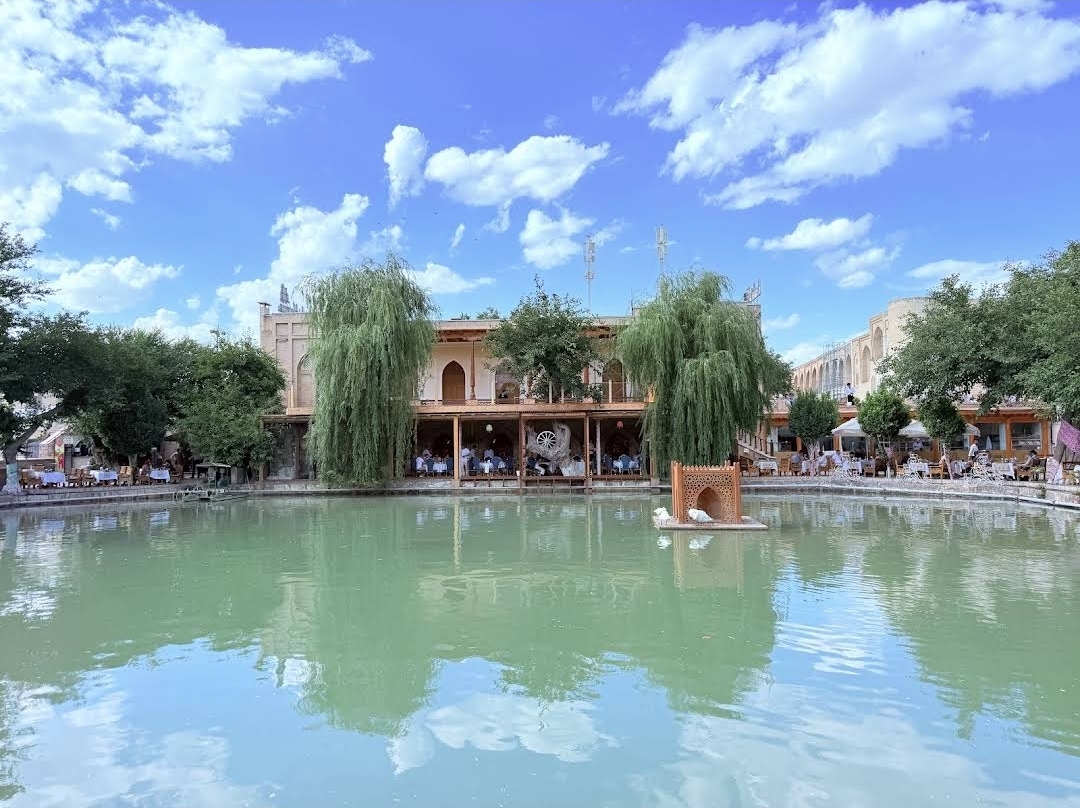
Lyabi Hauz
🎧
Listen Audio Guide
⏱ Working hours: -
💰 Ticket: -
📍 Address: https://maps.app.goo.gl/GQKD5h1EBHbxzQg7A
Lyabi-Hauz is the famous and picturesque central public square of historical Bukhara, serving as a favorite gathering and relaxation spot for locals and travelers from around the world. The name of the architectural ensemble literally translates as "around the pond," as the compositional core of the square is a massive artificial reservoir (hauz) surrounded by towering, spreading plane trees that are several centuries old. This unique urban ensemble was formed in the sixteenth and seventeenth centuries, harmoniously uniting prominent architectural monuments around the water: the majestic Kukeldash Madrasah, the spacious khanaqah, and the ornate Nodir Divan-begi Madrasah. Strolling across the open public square around the pond, relaxing in the shade of ancient trees, and viewing the exterior architectural ensembles are completely free of charge for all visitors.
City: Бухара
 0:00
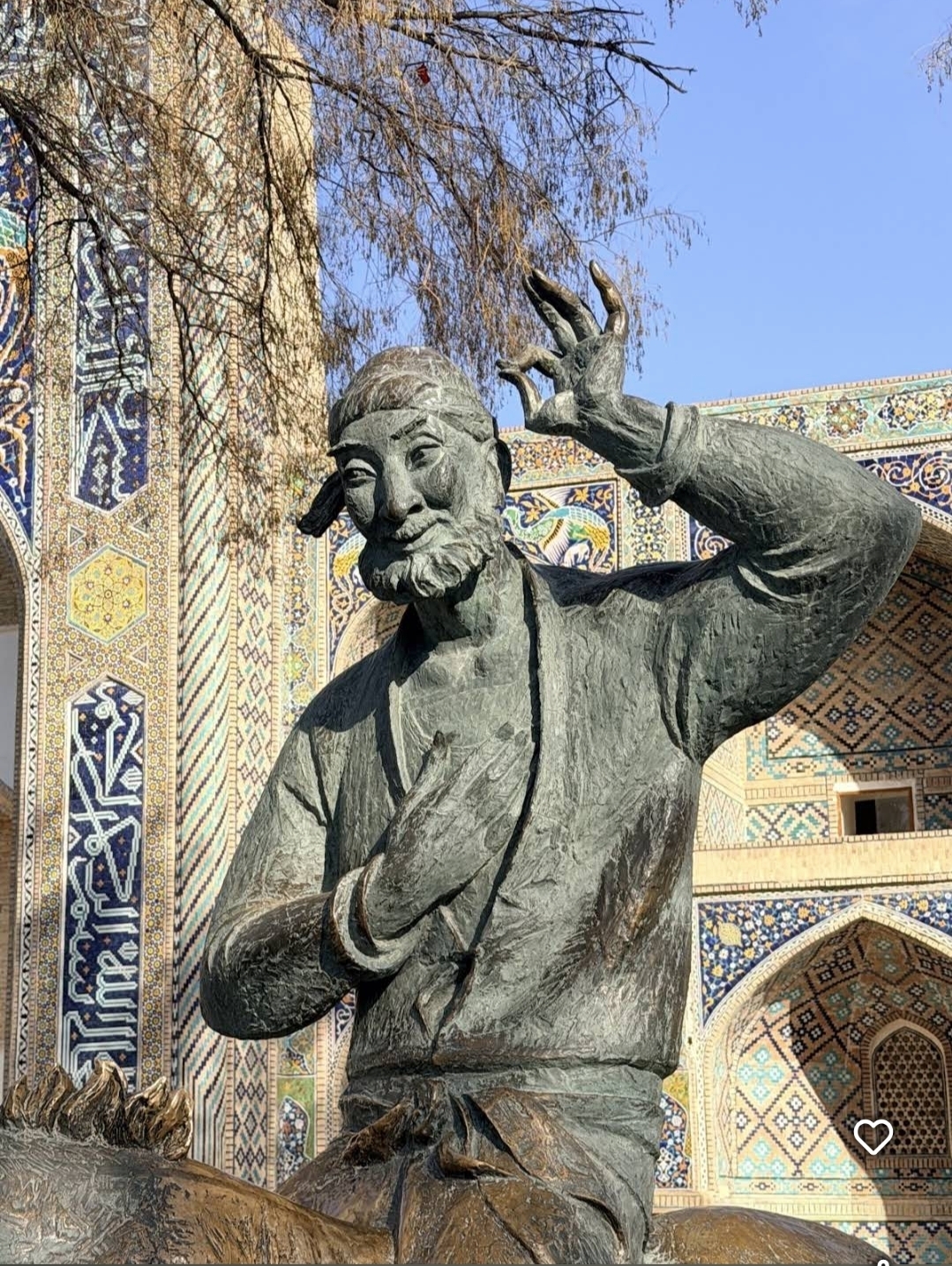
The Monument to Khoja Nasreddin (Afandi)
🎧
Listen Audio Guide
⏱ Working hours: -
💰 Ticket: -
📍 Address: https://maps.app.goo.gl/cKRGFyTfpjfmU4Bi7?g_st=ac
The Monument to Khoja Nasreddin (Afandi) is one of the most cheerful, beloved, and popular tourist sights in Bukhara, located in the historic center near the famous Lyabi-Hauz ensemble. The sculptural composition depicts the legendary oriental sage, folk humorist, and philosopher Khoja Nasreddin sitting atop his loyal donkey and smiling warmly at every passerby. The figure of Afandi symbolizes folk wisdom, subtle irony, optimism, and an enduring sense of humor that helped people overcome life's hardships. There is a popular local superstition: if you make a cherished wish and rub the donkey's nose or right hoof, it will certainly come true. Viewing the monument in the open public square is completely free of charge for all travelers
City: Бухара
 0:00
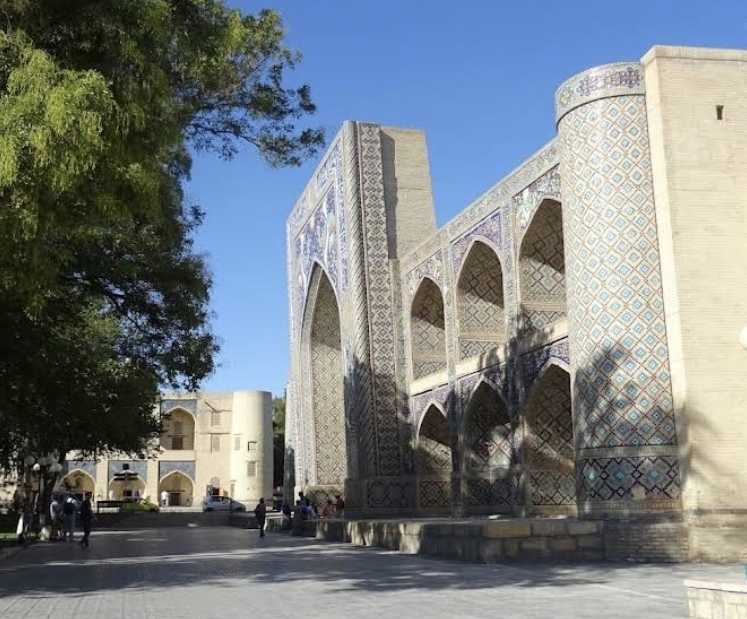
The Nodir Divan-begi Madrasah
🎧
Listen Audio Guide
⏱ Working hours: 08.00-19.00
💰 Ticket: 15000 sum
📍 Address: https://maps.app.goo.gl/14yhUkZtppHRtT2i8
The Nodir Divan-begi Madrasah is an outstanding monument of oriental architecture and a jewel of the famous Lyabi-Hauz ensemble in the historic center of Bukhara. This unique educational institution was built in the first half of the seventeenth century by order of the influential vizier Nodir Divan-begi and was originally constructed as a caravanserai before being converted into a majestic madrasah. The primary and world-famous feature of its magnificent portal is the striking mosaic depiction of two mythical birds of happiness (Simurg) carrying deer in their talons against the backdrop of a radiant sun, which uniquely departed from traditional Islamic canons of art of that era. Today, the inner courtyard of the madrasah houses artisan workshops and exhibitions of traditional applied arts. Walking around the Lyabi-Hauz square and viewing the exterior facade of the madrasah is completely free of charge for all visitors, while entering the interior courtyard costs fifteen thousand sums.
City: Бухара
 0:00
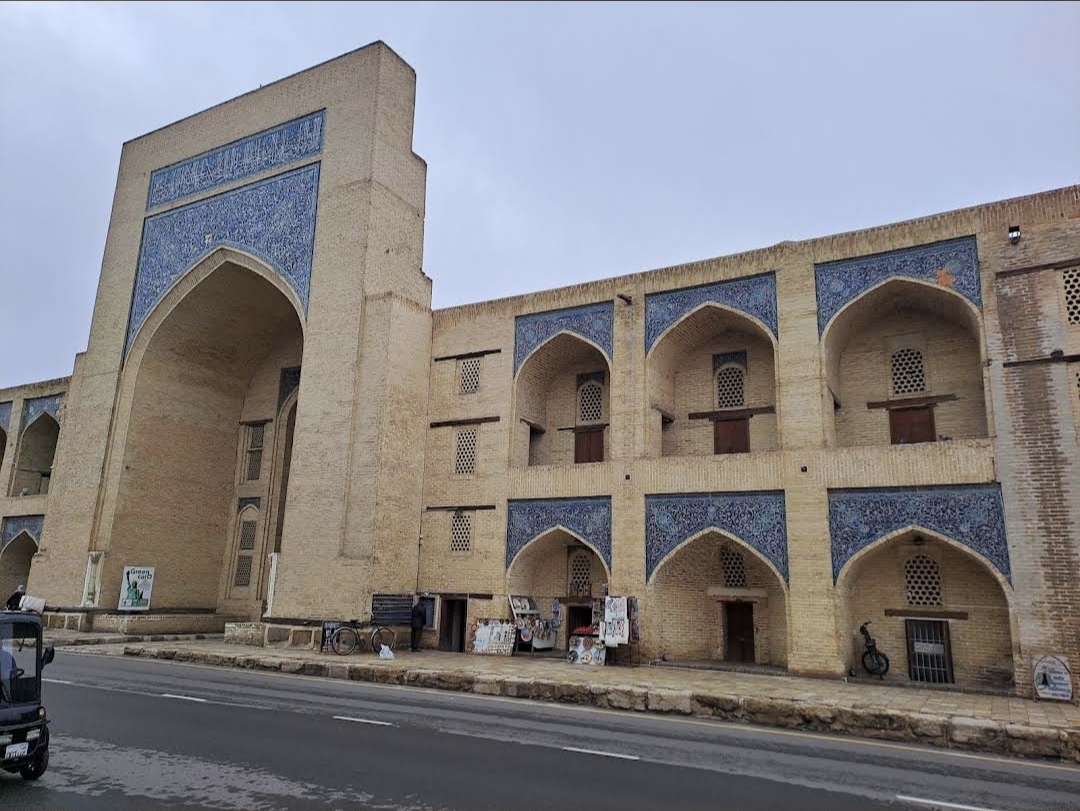
The Kukeldash Madrasah
🎧
Listen Audio Guide
⏱ Working hours: 08.00-19.00
💰 Ticket: 15000 sum
📍 Address: https://maps.app.goo.gl/xPQ3sotyx3KKEFYs5?g_st=ac
The Kukeldash Madrasah is the largest madrasah in Bukhara and one of the most majestic buildings of Islamic higher education in all of Central Asia, located in the very heart of the Lyabi-Hauz ensemble. This grandiose architectural monument was erected in the sixteenth century during the Shaybanid dynasty by the influential statesman and nobleman Kulbaba Kukeldash. The monumental two-story building astounds visitors with its massive dimensions, the rich tile decor of its main portal, and one hundred thirty student cells (hujras) where hundreds of students from across the Islamic world once lived and studied. The famous Bukharan writer Sadriddin Ayni detailed his years of studying and living within the walls of this madrasah in his autobiographical works. Strolling across the Lyabi-Hauz square and viewing the exterior facade of the building is completely free of charge for all visitors, while entering the interior courtyard costs fifteen thousand sums.
City: Бухара
 0:00
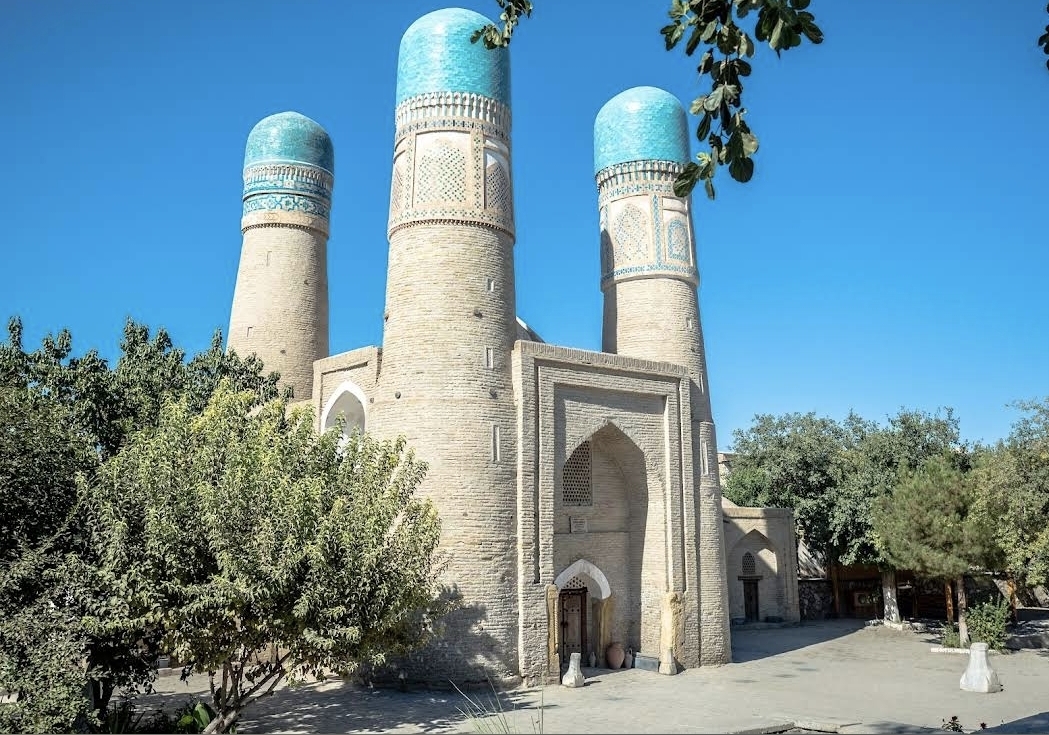
The Chor Minor Madrasah
🎧
Listen Audio Guide
⏱ Working hours: 09.00-18.00
💰 Ticket: 10000 sum
📍 Address: https://maps.app.goo.gl/1FNnUAvPgs1SF55U8?g_st=ac
The Chor Minor Madrasah is one of the most unique, recognizable, and unusual architectural monuments of Bukhara, translating from Persian as "four minarets." This historic complex was built at the very beginning of the nineteenth century, in eighteen hundred and eight, funded by a wealthy Turkmen merchant named Khalif Niyazkul, and was originally intended as a monumental gatehouse for a large madrasah that has not survived. The main architectural feature of the building is its four graceful corner towers topped with turquoise domes, where the decoration of each tower incorporates unique symbolic patterns reflecting the philosophical concept of four world religions. Strolling through the quiet square around the madrasah and viewing its unusual exterior is completely free of charge for all visitors, while entering the small courtyard and souvenir shop costs ten thousand sums.
📭 No objects found for your request.