🗺 GoRoutes.uz
✨ Welcome to the Great Silk Road!
Discover ancient cities across Uzbekistan with your personal audio guide. All landmarks along the routes are arranged in a convenient location-based sequence.
City: Бухара
 0:00
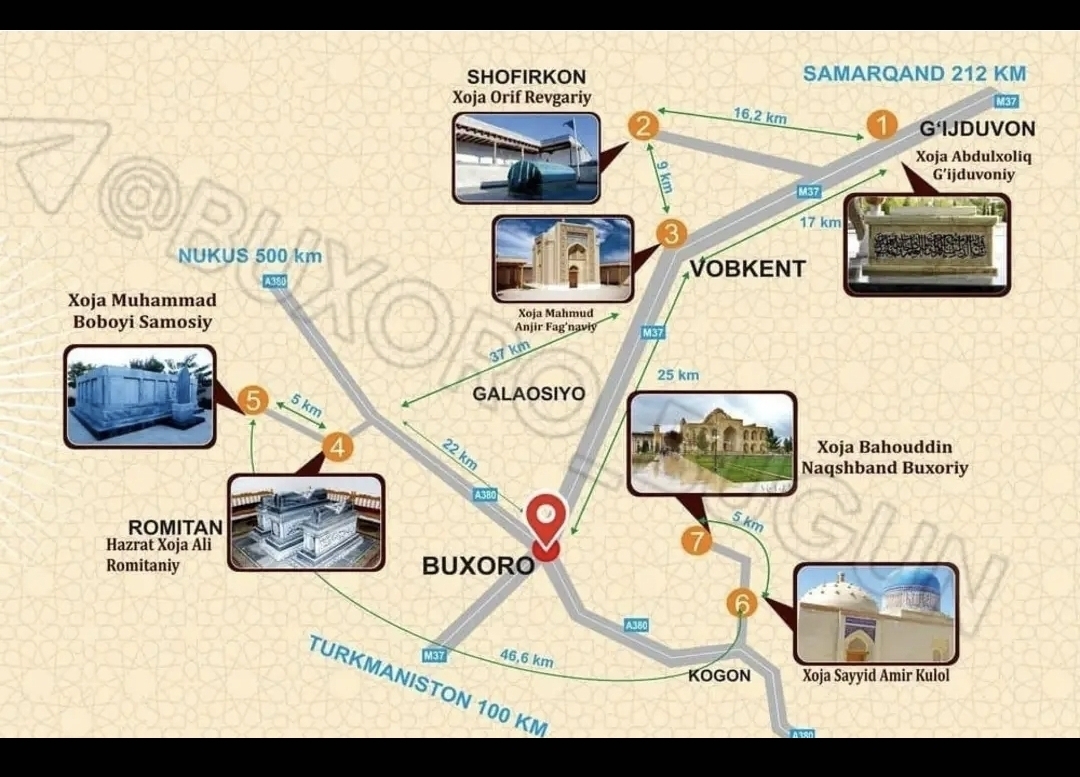
The Seven Pirs of Bukhara
🎧
Listen Audio Guide
⏱ Working hours: 07.00-21.00
💰 Ticket: - Donate
📍 Address: https://maps.app.goo.gl/e1P4Wc8zvBJTPRtn7?g_st=ac
The Seven Pirs of Bukhara form a profound and spiritually significant heritage route connecting seven legendary Sufi masters of the Naqshbandi order. This sacred pilgrimage encompasses seven historical shrine complexes scattered across Bukhara and its surrounding districts. The spiritual journey traditionally begins in Gijduvan with the mausoleum of Sheikh Abdulkhalik Gijduvani, the founder of the Khojagan tradition, and proceeds through the resting places of his spiritual successors: Muhammad Arif ar-Rivgari, Mahmud Injir al-Faghnavi, Ali ar-Ramitani, Muhammad Bobo Samasi, and Sayyid Amir Kulol. The pilgrimage culminates at the magnificent memorial complex of Bahauddin Naqshband in Kasri Orifon.
City: Бухара
 0:00
Sheikh Abdulkhalik Gijduvani
🎧
Listen Audio Guide
⏱ Working hours: 07.00-19.00
💰 Ticket: -Donate
📍 Address: https://maps.app.goo.gl/e1P4Wc8zvBJTPRtn7?g_st=ac
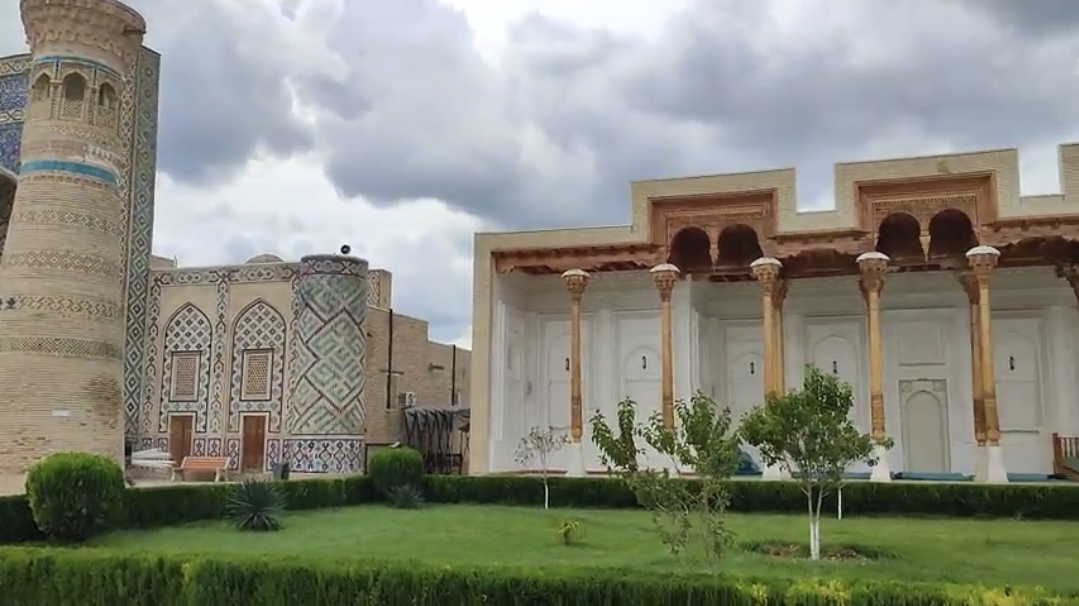
Sheikh Abdulkhalik Gijduvani was a great Sufi master, an outstanding thinker, and the spiritual founder of the Khojagan school, born and lived in Gijduvan of the Bukhara region. He formulated the eleven core moral and spiritual principles of Sufism that have guided hundreds of thousands of followers worldwide. His memorial complex in Gijduvan serves as the first and most vital starting point of the seven pirs pilgrimage route in Bukhara. The well-maintained and serene complex features an active mosque, the mausoleum of the sheikh, a minaret, and a courtyard adorned with traditional Uzbek carvings and ornaments.
City: Бухара
 0:00
Xoja Muhammad Orif ar-Revgariy
🎧
Listen Audio Guide
⏱ Working hours: 07.00-19.00
💰 Ticket: -Donate
📍 Address: https://maps.app.goo.gl/8iSFHvJSTUfvSxHp8?g_st=ac
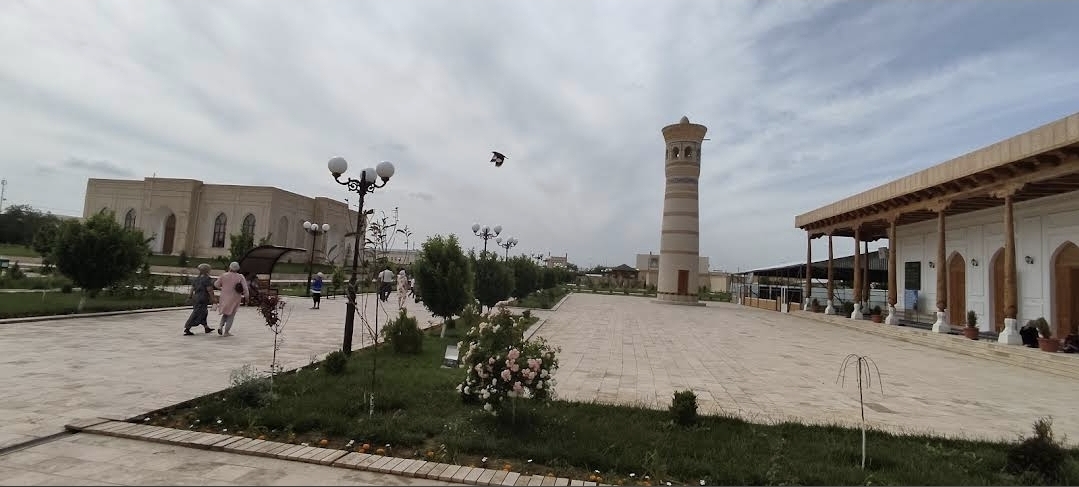
Khodja Muhammad Arif ar-Rivgari was an eminent Sufi saint, scholar, and the devoted spiritual successor of Abdulkhalik Gijduvani who carried forward the sacred teachings of the Khojagan order. He was born and spent the greater part of his life in the village of Rivgar near Gijduvan, where he tirelessly guided seekers along the path of spiritual enlightenment and moral purity. His memorial complex is a serene and peaceful sanctuary that attracts travelers and pilgrims from all over the world. The architectural ensemble features a quiet mosque, the mausoleum of the master, and a picturesque courtyard shaded by ancient trees.
City: Бухара
 0:00
Khodja Ali ar-Ramitani
🎧
Listen Audio Guide
⏱ Working hours: 08.00-19.00
💰 Ticket: -Donate
📍 Address: https://maps.app.goo.gl/rVVuf4fiDQcgYhGX7
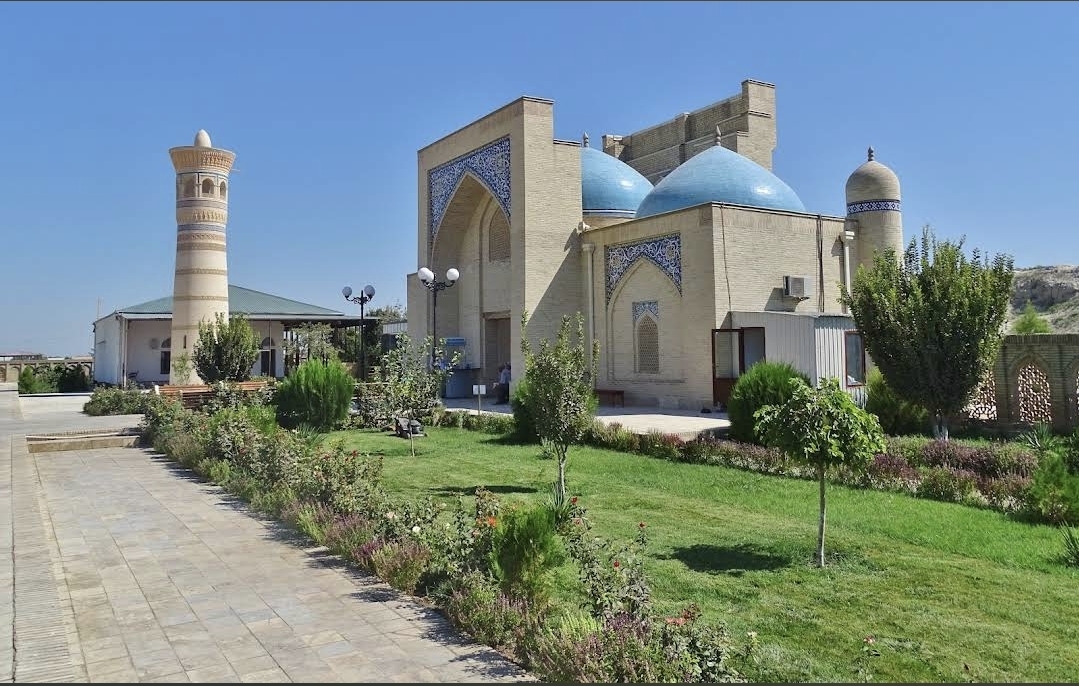
Khodja Ali ar-Ramitani, historically known by the honorable title Azizon meaning "The Dear One," is the fourth of the Seven Pirs of Bukhara. He was born in the town of Ramitan near Bukhara and spent most of his earthly life engaged in the honest trade of a weaver while guiding thousands of disciples along the spiritual path. The sheikh became renowned for his profound wisdom, boundless generosity, constant care for the needy, and his instrumental role in spreading the teachings of the Khojagan order far beyond his homeland. His memorial complex is a majestic and tranquil sanctuary that attracts spiritual travelers from across the globe.
City: Бухара
 0:00
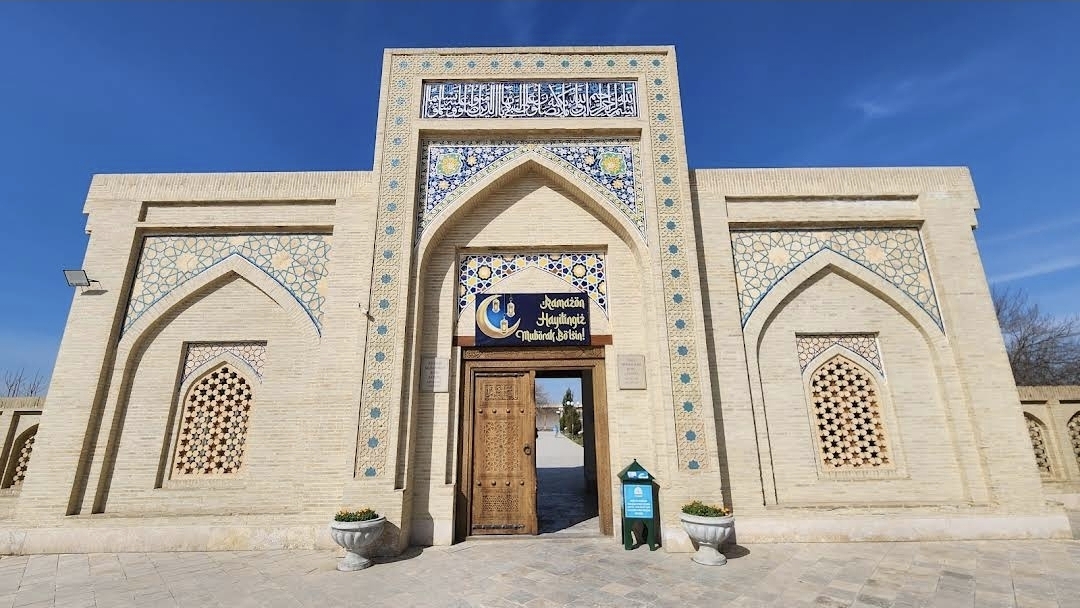
Khodja Muhammad Bobo Samasi
🎧
Listen Audio Guide
⏱ Working hours: 07.00-19.00
💰 Ticket: -Donate
📍 Address: https://maps.app.goo.gl/bWza11HCubXupqgD6?g_st=ac
Khodja Muhammad Bobo Samasi was a great Sufi master and spiritual guide of the Khojagan order, serving as the fifth of the Seven Pirs of Bukhara. He was born and lived in the village of Samasi in the Vobkent district, earning widespread renown for his profound righteousness, spiritual insight, and deep wisdom. Long before the birth of the great Bahauddin Naqshband, he foresaw his coming, blessed him in his infancy, and prophesied his glorious spiritual destiny. His memorial complex is a serene and well-maintained architectural sanctuary featuring shady alleys, a peaceful mosque, and his mausoleum.
City: Бухара
 0:00
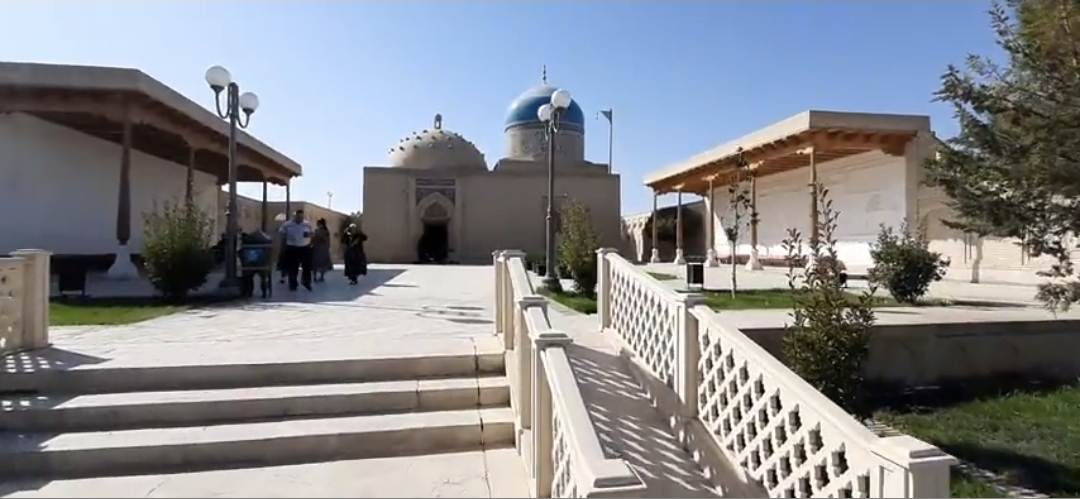
Sayyid Amir Kulol
🎧
Listen Audio Guide
⏱ Working hours: 07.00-19.00
💰 Ticket: -Donate
📍 Address: https://maps.app.goo.gl/BAPCDqFzzqcNGgH97?g_st=ac
Sayyid Amir Kulol was a prominent Sufi master and spiritual guide of the Khojagan order, serving as the sixth of the Seven Pirs of Bukhara. He was born and spent his entire life in the village of Sukhori near Bukhara, and although he practiced various trades, he became famous as a master potter, earning the honorable title Kulol. As the spiritual successor of Muhammad Bobo Samasi, he became the principal teacher and mentor of the great Bahauddin Naqshband, transmitting to him the profound secrets of the Sufi path. His memorial complex is a well-maintained and majestic architectural ensemble that attracts pilgrims from all over the world due to its rich history.
City: Бухара
 0:00
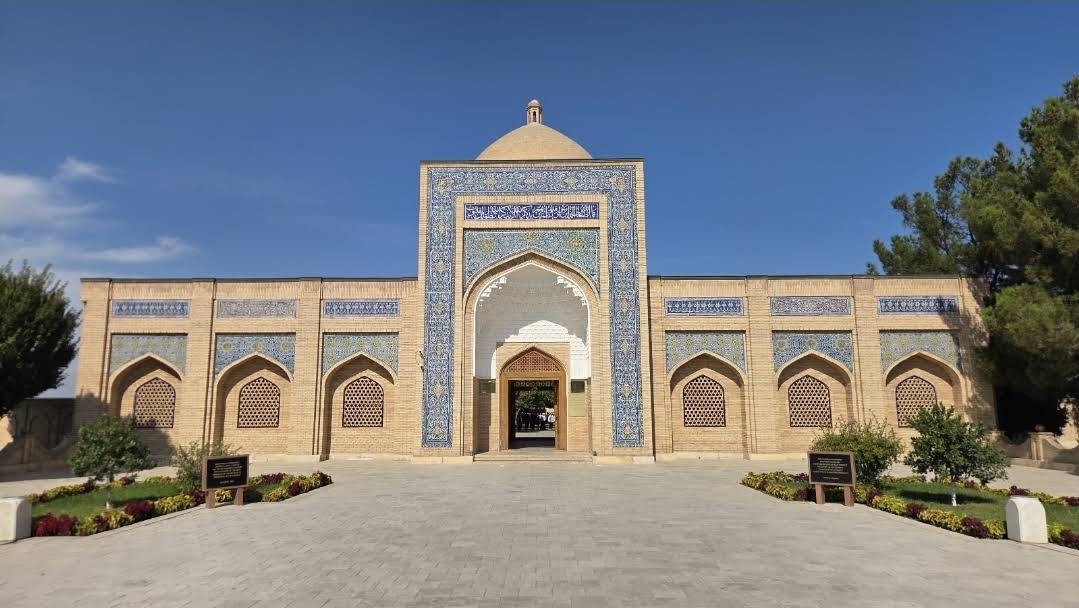
Bahouddin Naqshband
🎧
Listen Audio Guide
⏱ Working hours: 07.00-19.00
💰 Ticket: -Donate
📍 Address: https://maps.app.goo.gl/ucjvBrjdJH4R7At7A
Bahauddin Naqshband was the greatest Sufi saint, thinker, and the spiritual founder of the Naqshbandi order, serving as the seventh and final of the Seven Pirs of Bukhara. He was born in the village of Kasri Orifon near Bukhara and dedicated his entire life to spiritual purity, humility, and honest labor while living a worldly life of devotion rather than ascetic withdrawal. His magnificent memorial complex has become one of the most prominent centers of pilgrimage and architectural heritage in Central Asia. The vast and beautifully maintained grounds feature a spacious mosque, a khanaqah, the mausoleum of the saint, and an informative museum dedicated to his life and teachings.
City: Бухара
 0:00
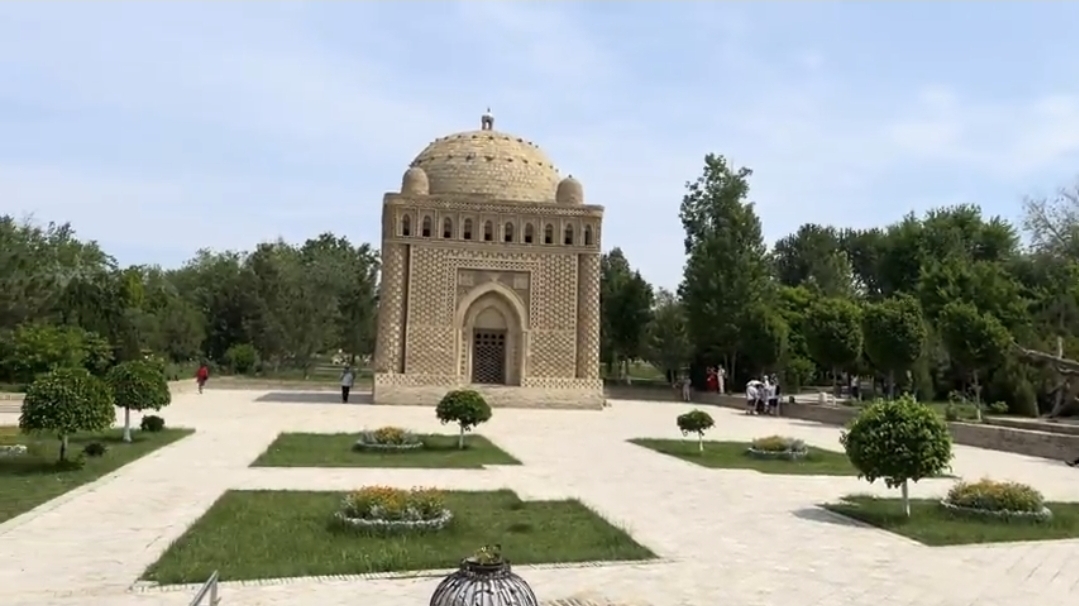
The Samanid Mausoleum
🎧
Listen Audio Guide
⏱ Working hours: 08.00-19.00
💰 Ticket: 20000 sum
📍 Address: https://maps.app.goo.gl/JApMvpnsoTBjKEzq5?g_st=ac
The Samanid Mausoleum is a masterpiece of early Islamic architecture and one of the oldest architectural monuments in Uzbekistan, located in the historic center of Bukhara. This unique dynastic tomb was erected at the end of the ninth and the beginning of the tenth century by the Samanid rulers, serving notably as the resting place for the founder of the dynasty, Ismail Samani. The structure is world-renowned for its flawless cubic volume, hemispherical dome, and extraordinarily sophisticated brickwork that creates a mesmerizing play of light and shadow, resembling fine woven fabric. This historical monument is inscribed on the UNESCO World Heritage list and attracts numerous researchers and travelers from all over the globe with its timeless beauty. Access to the surrounding
City: Бухара
 0:00
The Chashma-Ayub
🎧
Listen Audio Guide
⏱ Working hours: 08.00-19.00
💰 Ticket: 15000 sum
📍 Address: https://maps.app.goo.gl/fDuP1fmoGxEJv13X6?g_st=ac
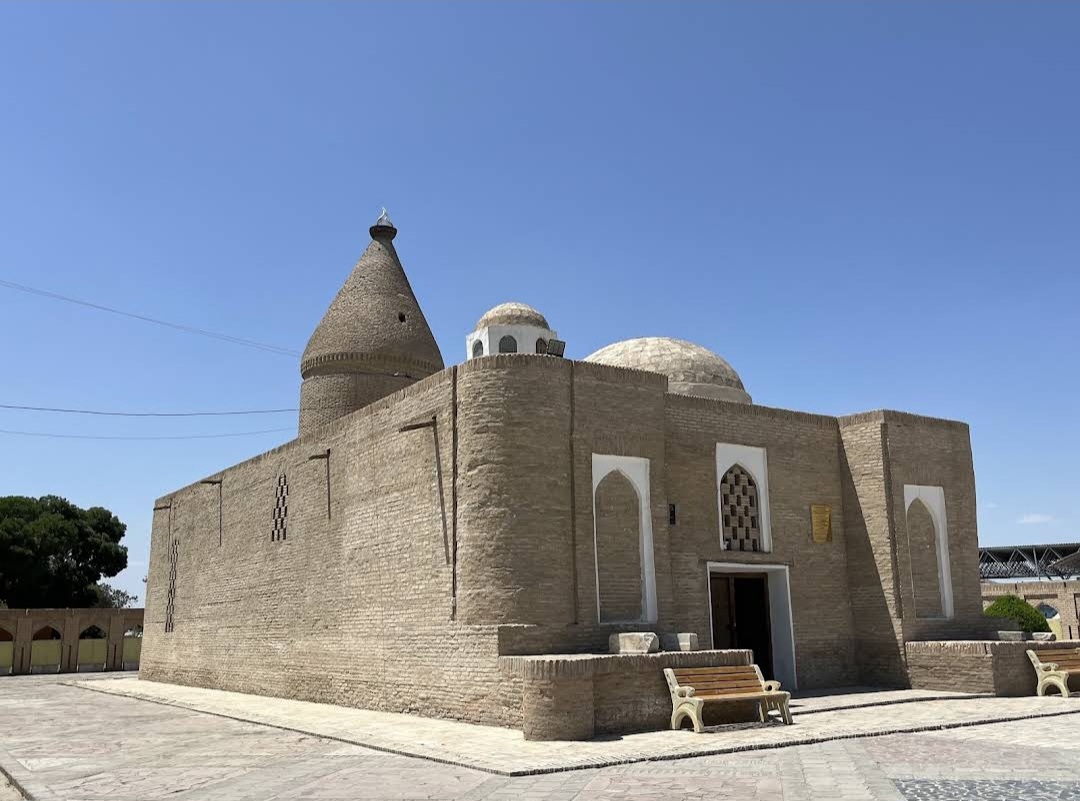
The Chashma-Ayub Mausoleum is a unique historical and architectural monument in Bukhara, whose name translates as the "Well of Job." According to ancient legend, during a severe drought, local residents appealed to the prophet Job (Ayub) for help, after which he struck the ground with his staff, causing a pure healing spring to gush forth, which flows to this day. The current building of the complex was erected in the twelfth century under the Karakhanids and was repeatedly reconstructed in later eras, acquiring a distinctive conical tent-like dome reminiscent of Khorezmian architecture. Inside the complex, there is a water museum dedicated to the history of water supply and ancient irrigation traditions in the arid region of Central Asia.
City: Бухара
 0:00
The Imam al-Bukhari Memorial Museum
🎧
Listen Audio Guide
⏱ Working hours: 09.00-17.00
💰 Ticket: 20000 sum
📍 Address: https://maps.app.goo.gl/dh9tVs8facidx1kw6?g_st=ac
The Imam al-Bukhari Memorial Museum in Bukhara is an important cultural and educational center dedicated to the life and monumental scientific legacy of the preeminent Islamic theologian and hadith scholar Abu Abdullah Muhammad ibn Ismail al-Bukhari. The museum building is situated in the historic part of the city, right opposite the famous Chashma-Ayub Mausoleum, attracting numerous pilgrims and researchers from around the world. The exhibition is housed in a distinctive circular building, detailing the centuries-long history of Islamic science, rare manuscripts, and the enduring significance of his primary work, the hadith collection "Al-Jami as-Sahih." Walking around the surrounding area and park is completely free of charge, while the admission ticket to enter the museum exhibition hall costs twenty thousand sums.
City: Бухара
 0:00
The Bolo Hauz Mosque
🎧
Listen Audio Guide
⏱ Working hours: 08.00-19.00
💰 Ticket: -
📍 Address: https://maps.app.goo.gl/3iGvK634itk8LzwS9?g_st=ac
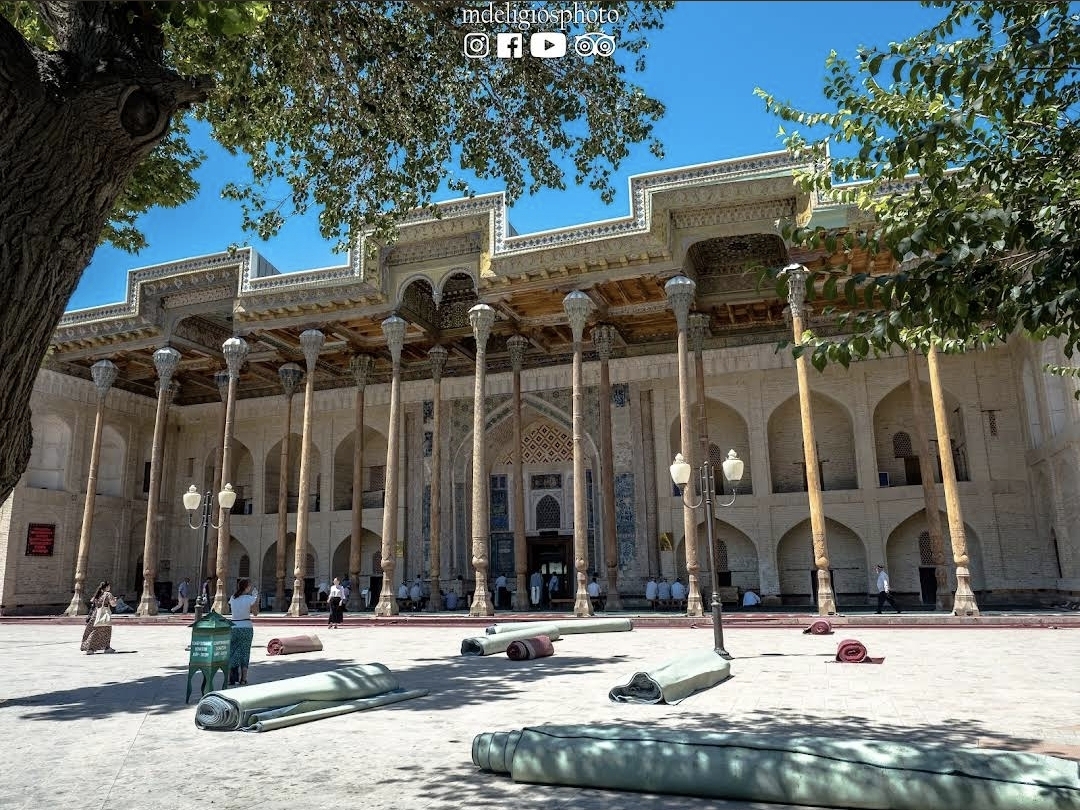
The next point of our excursion is the beautiful Bolo Hauz Mosgue.
Its name means ‘Upper Pond Mosgue.’
The main part was built in the 1810
“The wooden terrace was built at the end of the 19th century.
Here you can see 20 columns, decorated in the traditional Bukharian style with stalactite ornaments.
The ceiling is also gorgeously decorated with a beautiful islimi pattern.
This mosgue is also known as ‘Forty Columns,’ but if you count them, you will see only 20.
The reason is simple: the other 20 columns are reflected in the pond water.”
“Mosques in Bukhara played an important role in the lives of Bukharan citizens, because they were not only places for prayer.
Here people learned about new laws and news, and spent time talking with other worshippers.”
City: Бухара
 0:00
The Shukhov Tower
🎧
Listen Audio Guide
⏱ Working hours: 08.00-22.00
💰 Ticket: 40000 sum
📍 Address: https://maps.app.goo.gl/NqXA9sVxMkVv9qTQA?g_st=ac
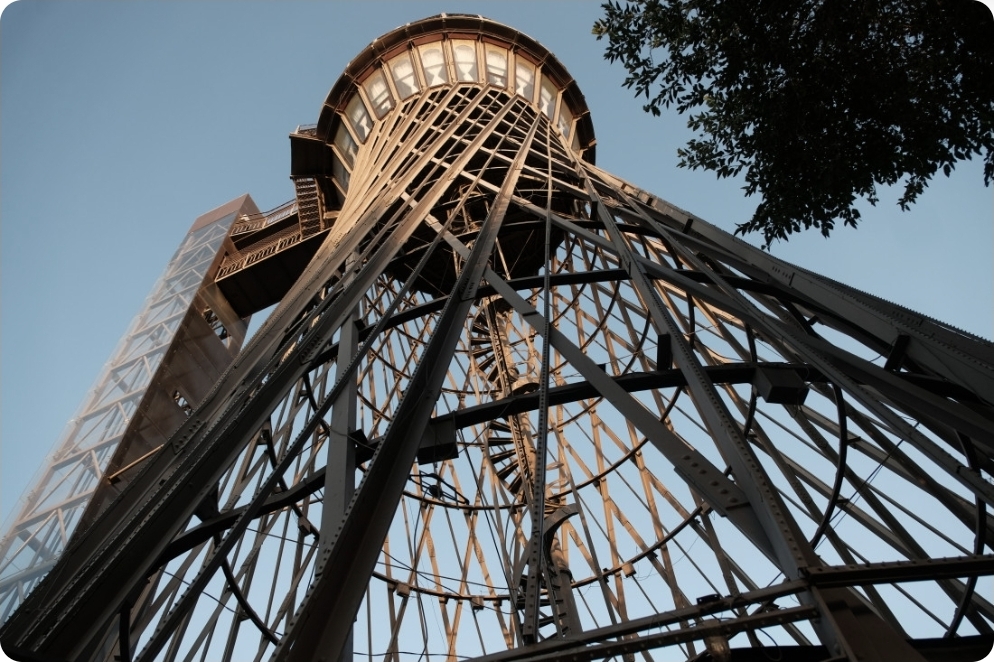
The Shukhov Tower in Bukhara is a unique monument of engineering art and early Soviet constructivism, standing as one of the most unusual sights of the ancient city. This openwork hyperboloid steel-frame water tower was constructed in the late nineteen-twenties based on the famous design of the outstanding Russian engineer and architect Vladimir Shukhov. Originally, the structure served a vital practical function, providing uninterrupted water supply to the central part of the city. Today, this graceful metal tower is recognized as an object of cultural heritage and attracts numerous tourists and architecture enthusiasts from around the world.
City: Бухара
 0:00
The Ark Citadel
🎧
Listen Audio Guide
⏱ Working hours: 09.00-21.00
💰 Ticket: 60000 sum
📍 Address: https://maps.app.goo.gl/xf4xDUFbWC3tnYhX6?g_st=ac
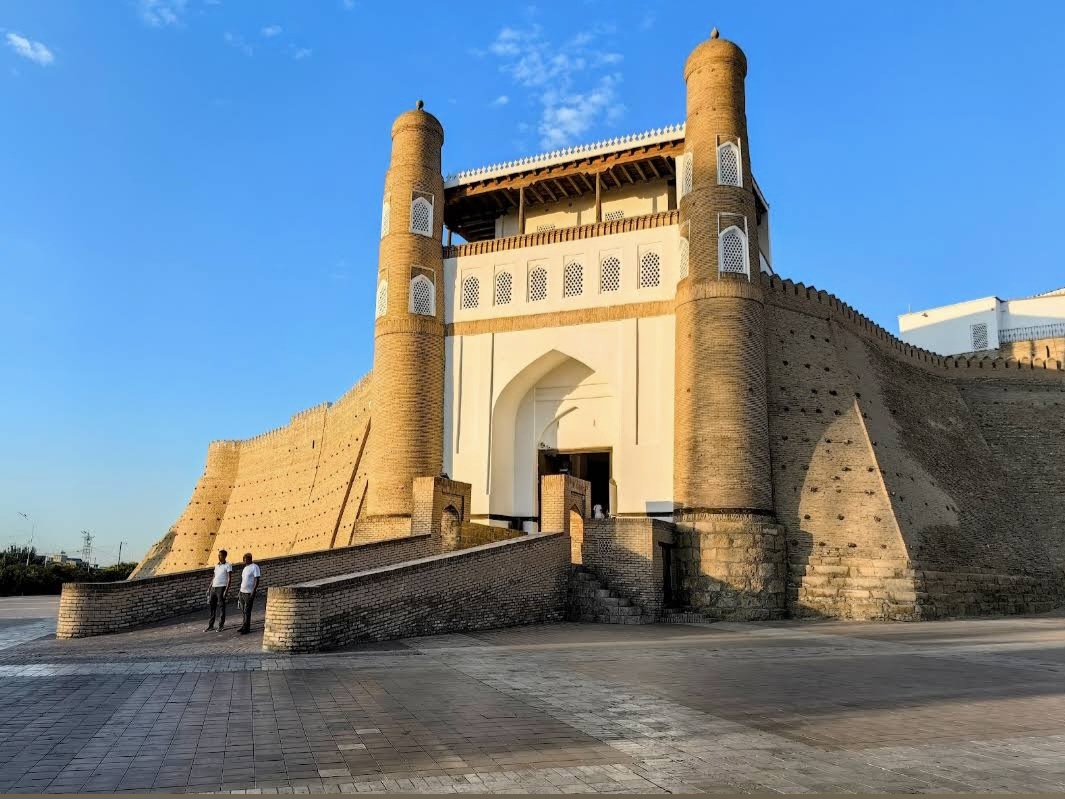
The Ark Citadel is a monumental fortress and the ancient heart of Bukhara, rising majestically on an artificial hill in the center of the historical city. The origins of this powerful stronghold date back to the fifth century AD, and over millennia of existence, it served as the residence of rulers, an unassailable citadel, and a fortified town within walls that housed emir palaces, mosques, treasuries, and a mint. The vast grounds of the fortress impress visitors with their monumental architecture, massive clay ramparts, and rich history preserving the memory of great empires. Walking around the outer square and surrounding historic streets is completely free of charge, while the admission ticket to enter the inner museum complex of the citadel costs sixty thousand sums. thank you for your attention to exit press the button
City: Бухара
 0:00
The Poi Kalon Ensemble
🎧
Listen Audio Guide
⏱ Working hours: -
💰 Ticket: 20000 sum
📍 Address: https://maps.app.goo.gl/jYGPmnKnrdnfnBtr5
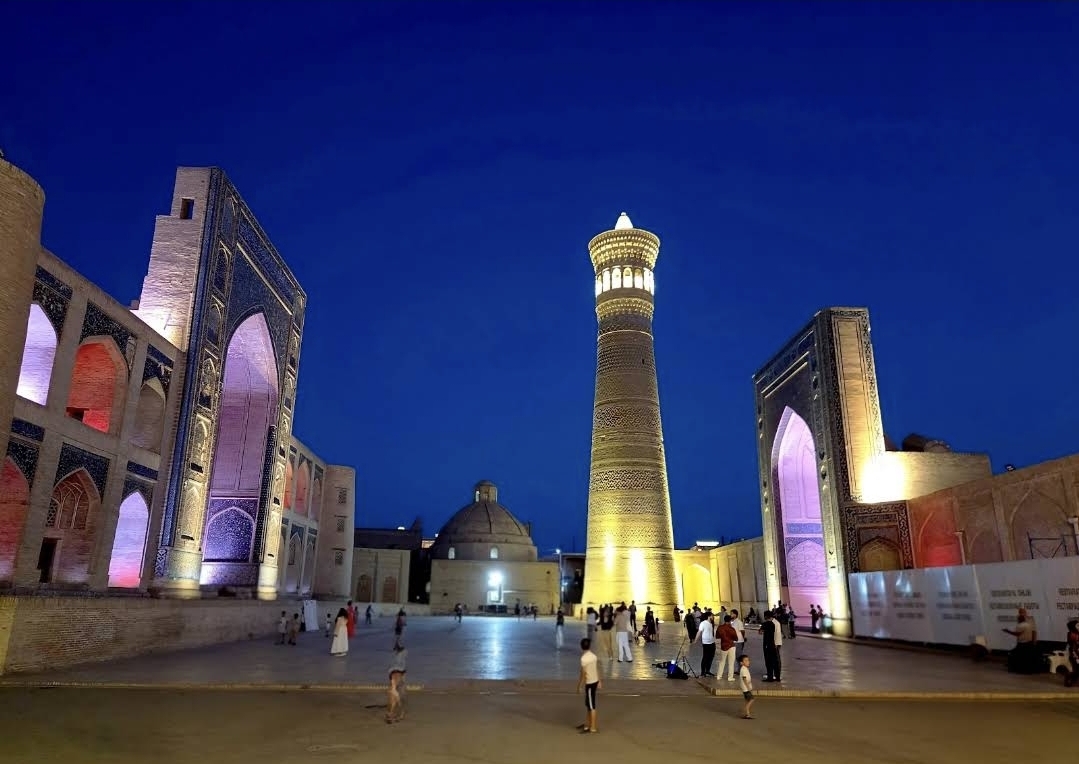
The Poi Kalon Ensemble is the majestic architectural heart of the historic center of Bukhara, uniting three prominent monuments of Islamic architecture: the famous Kalyan Minaret, the Kalyan Mosque, and the active Mir Arab Madrasah. Constructed at the intersection of ancient trade routes, the focal point of this grand complex is the forty-eight-meter Kalyan Minaret, erected in the early twelfth century under the Karakhanid ruler Arslan Khan, which astonishes visitors with its intricate brickwork featuring twelve distinct ornamental patterns. For centuries, this monumental complex served as the primary spiritual and religious center of the city, captivating travelers worldwide with its monumental scale and harmony. Walking across the public square and viewing the magnificent exterior architecture is completely free of charge, while entering the courtyards of the mosque and madrasah costs twenty thousand sums.
City: Бухара
 0:00
Toqi Zargaron (The Jewelers' Dome)
🎧
Listen Audio Guide
⏱ Working hours: -
💰 Ticket: -
📍 Address: https://maps.app.goo.gl/8J6YbFHPcYnxkyNk7
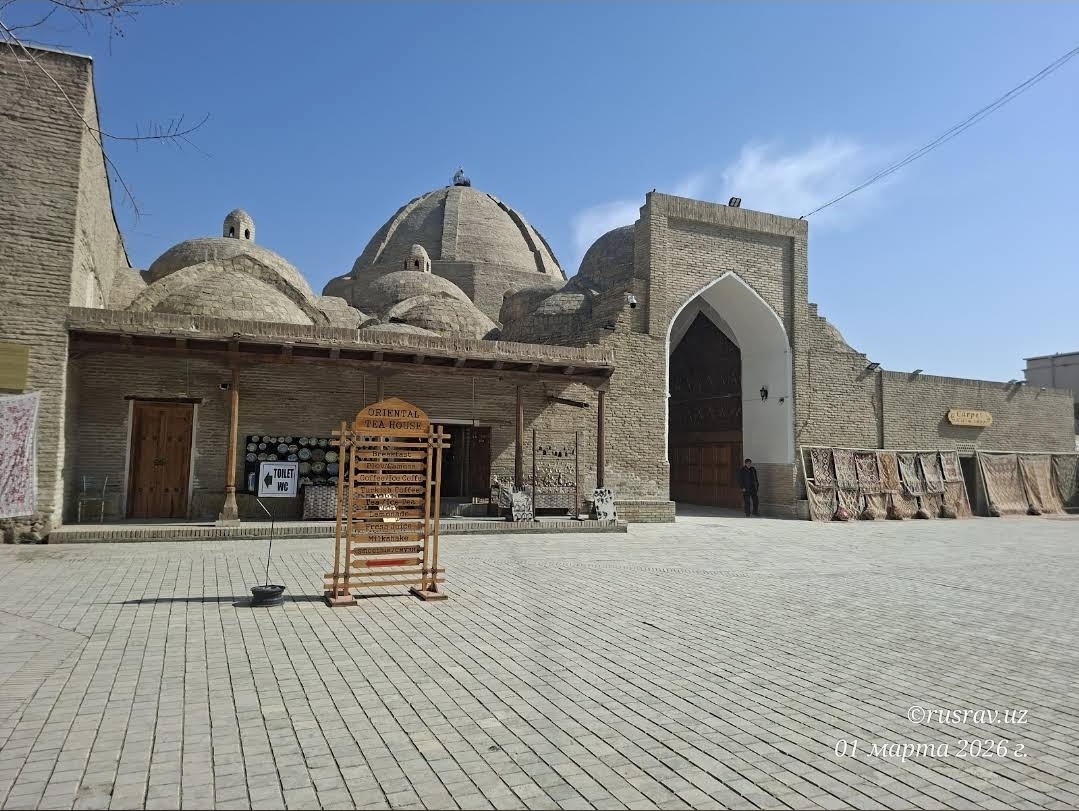
Toqi Zargaron (The Jewelers' Dome) is the largest, most grand, and northernmost of the surviving medieval covered bazaars in the historic center of Bukhara. This monumental vaulted trading dome was built in the late sixteenth century during the Shaybanid dynasty at the intersection of bustling caravan routes. The architectural structure features a powerful brick dome resting on massive pillars, beneath which dozens of traditional workshops and shops belonging to jewelers, goldsmiths, silversmiths, and gem merchants have historically operated. Today, life still thrives inside this historic shopping arcade: artisans offer travelers exclusive handcrafted jewelry, traditional wares, and oriental souvenirs. Walking through the trading dome and strolling along the ancient streets surrounding it is completely free of charge for all visitors.
City: Бухара
 0:00
The Kosh-Madrasah ensemble
🎧
Listen Audio Guide
⏱ Working hours: 08.00-19.00
💰 Ticket: 20000 sum
📍 Address: https://maps.app.goo.gl/WoWi1mc2FzcaUZTu9
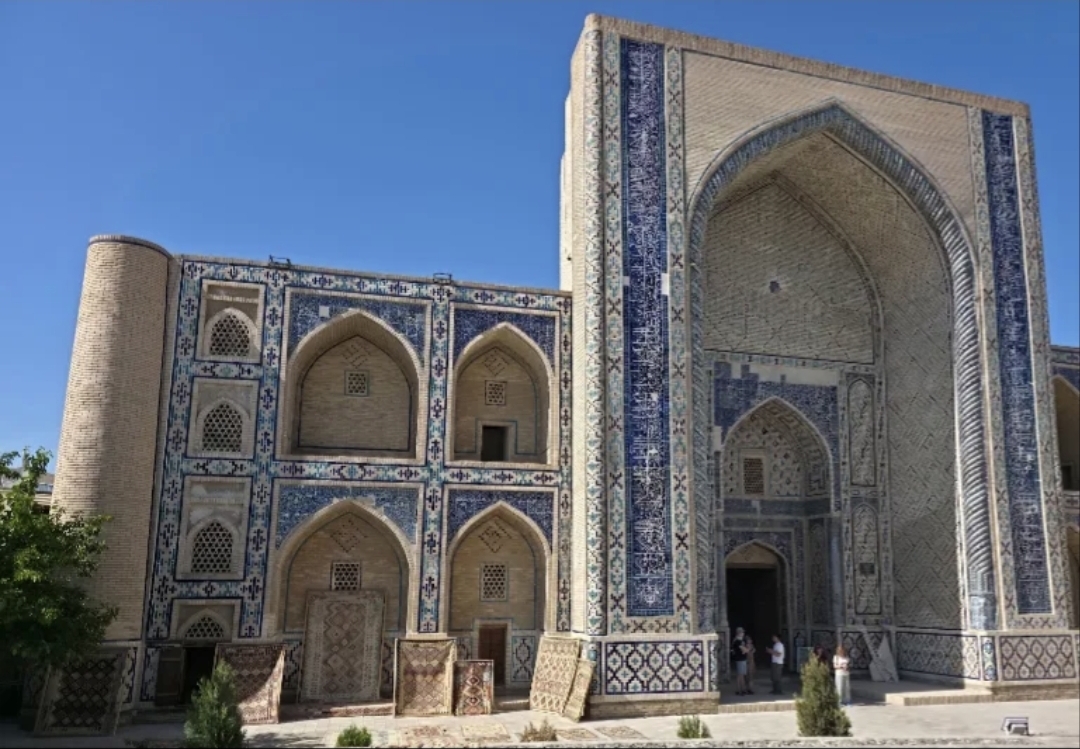
The Kosh-Madrasah ensemble in Bukhara is an outstanding architectural complex consisting of two ancient higher educational institutions built opposite each other according to the classical "kosh" (paired madrasahs) urban planning principle. This historic ensemble includes the famous Ulugh Beg Madrasah, constructed by the great astronomer and ruler Mirzo Ulugh Beg in fourteen seventeen, and the majestic Abdulaziz Khan Madrasah facing it, erected in sixteen fifty-two during the Ashtarkhanid dynasty. The architecture of the complex strikes a fascinating contrast between the restrained, elegant early Timurid style and the lavish, multicolored tilework and mosaics of the later period. Viewing the magnificent exterior facades and portals from the square is completely free of charge for all visitors, while entering the interior courtyards of the madrasahs costs fifteen thousand sums for each building.
City: Бухара
 0:00
Toqi Telpakfurushon (The Cap Makers' Dome)
🎧
Listen Audio Guide
⏱ Working hours: -
💰 Ticket: -
📍 Address: https://maps.app.goo.gl/Tte5bBbyjWCuDaan6
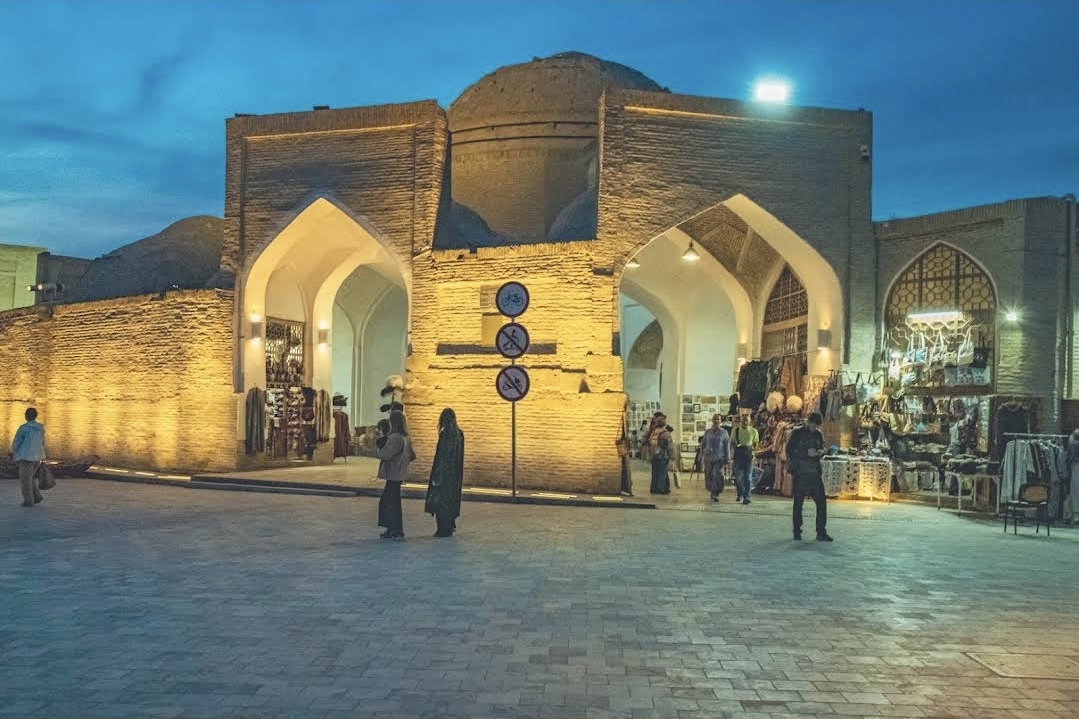
Toqi Telpakfurushon (The Cap Makers' Dome) is one of the surviving magnificent medieval covered bazaars in the historic center of Bukhara, located at the intersection of ancient caravan routes. This monumental trading arcade was built in the late sixteenth century during the Shaybanid dynasty and features a hexagonal domed structure that skillfully connects several converging bustling streets. Historically, various headwear was traditionally traded under its vaults, among which famous Bukharan skullcaps (tubeteikas), fur hats, and hand-embroidered turbans enjoyed special popularity. Today, craft shops inside this unique architectural monument continue to operate, offering travelers traditional souvenirs and local artisanal goods. Walking through the trading dome and strolling along the ancient streets surrounding it is completely free of charge for all visitors.
City: Бухара
 0:00
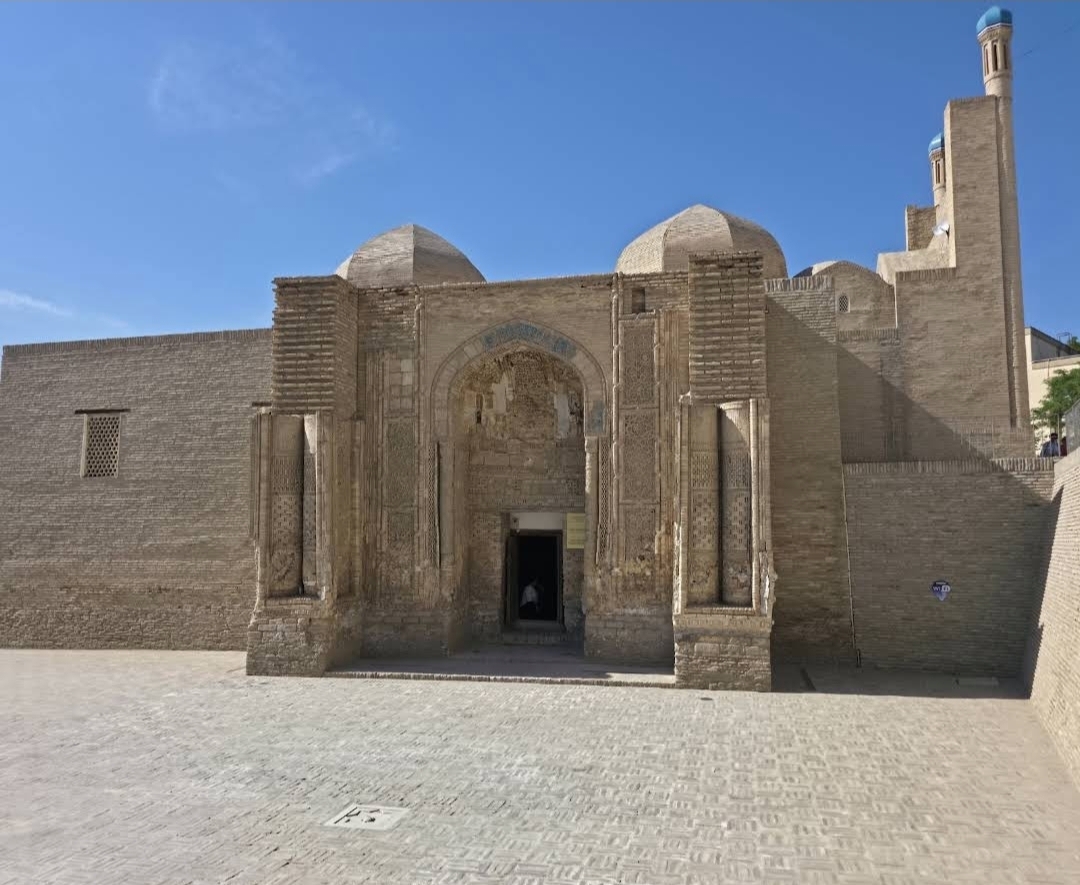
The Magoki-Attari Mosque
🎧
Listen Audio Guide
⏱ Working hours: 08.00-19.00
💰 Ticket: 20000 sum
📍 Address: https://maps.app.goo.gl/sMR5zqXs48M9HLDq7?g_st=ac
The Magoki-Attari Mosque is one of the oldest and most mysterious religious shrines of Bukhara, located in the historic center near the trading domes. This unique architectural monument was erected on the site of an even earlier pre-Islamic Zoroastrian fire temple and sanctuary, which is reflected in its name "Magoki," meaning "pit" or "underground," as centuries of accumulated cultural layers caused the building to sink significantly below the level of the modern street. The southern portal of the mosque, discovered by archaeologists in the early twentieth century, astounds visitors with its magnificent terracotta decor, carved brickwork, and exquisite ornaments dating back to the Karakhanid era of the eleventh and twelfth centuries. Viewing the exterior architecture and the unique portal from the public square is completely free of charge for all visitors, while entering the museum exhibition interior costs fifteen thousand sums. thaThe Magoki-Attari Mosque is one of the oldest and most mysterious religious shrines of Bukhara, located in the historic center near the trading domes. This unique architectural monument was erected on the site of an even earlier pre-Islamic Zoroastrian fire temple and sanctuary, which is reflected in its name "Magoki," meaning "pit" or "underground," as centuries of accumulated cultural layers caused the building to sink significantly below the level of the modern street. The southern portal of the mosque, discovered by archaeologists in the early twentieth century, astounds visitors with its magnificent terracotta decor, carved brickwork, and exquisite ornaments dating back to the Karakhanid era of the eleventh and twelfth centuries. Viewing the exterior architecture and the unique portal from the public square is completely free
City: Бухара
 0:00
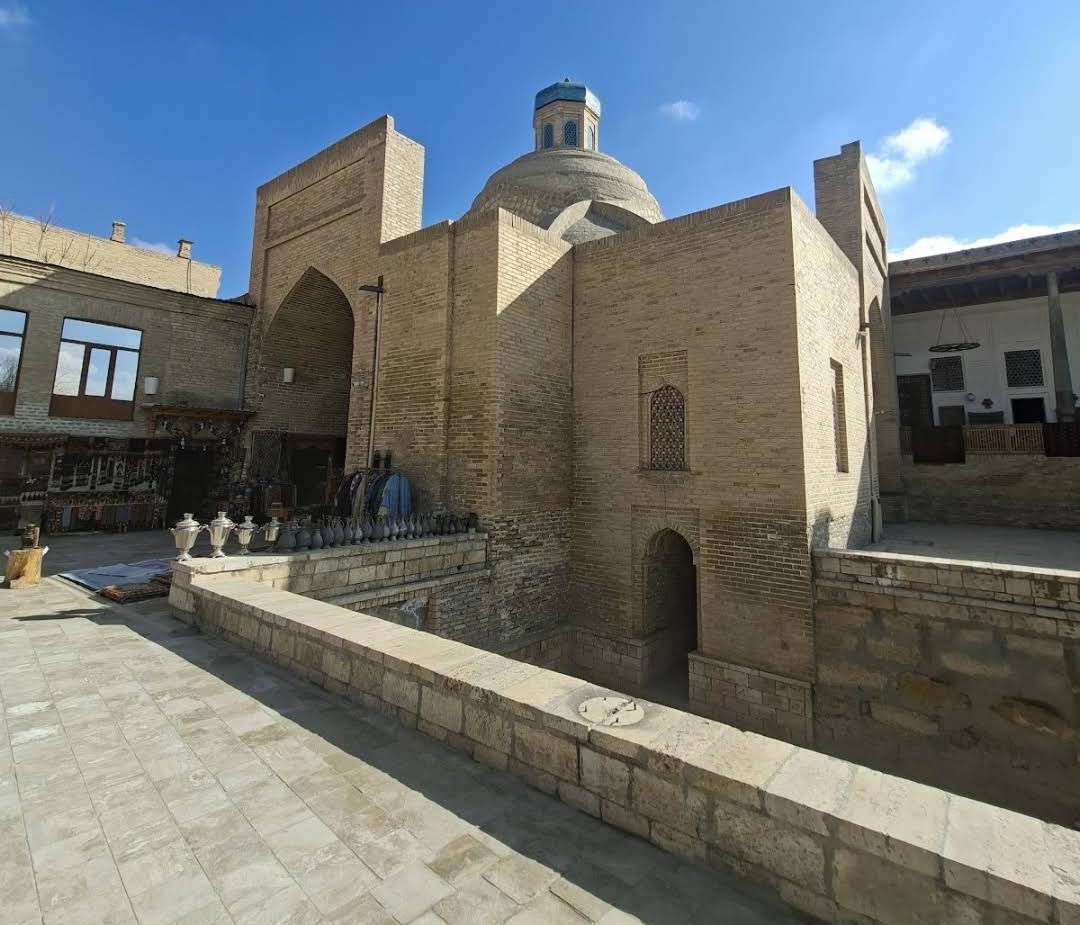
Toqi Sarrafon (The Money Changers' Dome)
🎧
Listen Audio Guide
⏱ Working hours: -
💰 Ticket: -
📍 Address: https://maps.app.goo.gl/Gg9WSSBkX44JcE1UA?g_st=ac
Toqi Sarrafon (The Money Changers' Dome) is one of the four surviving magnificent medieval covered bazaars in the historic center of Bukhara, located at the entrance to the ancient trading artery of the city. This monumental trading arcade was built in the sixteenth century during the Shaybanid dynasty at the intersection of roads leading from Registan. The name of the bazaar comes from "sarrafon"—money changers, because in the Middle Ages its massive vaults traditionally housed the main financial center of the city, where currency exchange for various states of the Great Silk Road, coin authentication, and financial operations took place. Today, lively trade continues beneath this historic brick dome: artisans offer guests unique souvenirs, antiques, and national jewelry. Walking through the trading dome and strolling along the ancient streets surrounding it is completely free of charge for all visitors.
City: Бухара
 0:00
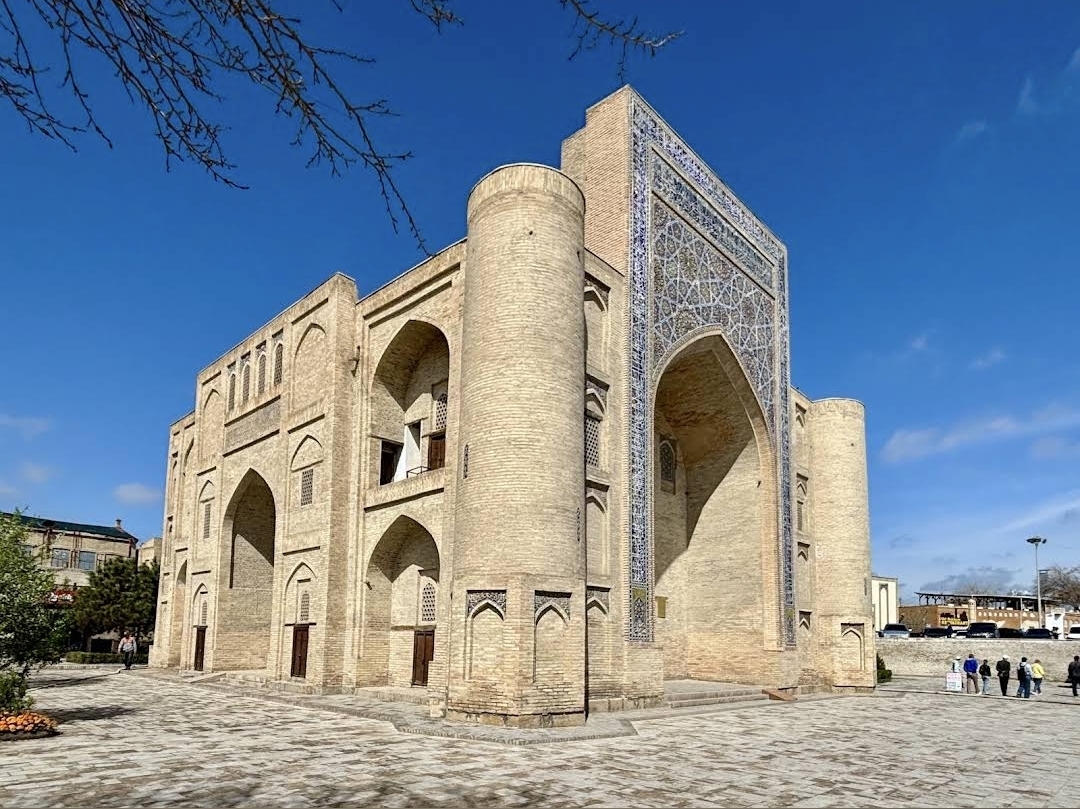
The Nodir Divan-begi Khanaqah
🎧
Listen Audio Guide
⏱ Working hours: 09.00-18.00
💰 Ticket: 20000 sum
📍 Address: https://maps.app.goo.gl/vyWhKecftCqKHppC9
The Nodir Divan-begi Khanaqah is an outstanding monument of late medieval architecture and a historic Sufi center in Bukhara, forming part of the famous Lyabi-Hauz ensemble. This majestic building was erected in the first half of the seventeenth century by order of the influential vizier Nodir Divan-begi and was originally intended as a hospice and sanctuary for dervishes, where Sufis gathered for prayer, spiritual discussions, and meditation. The khanaqah structure astounds visitors with its high cruciform central hall, impressive portal featuring delicate remnants of mosaic decor, and side cells for pilgrims. Today, a museum exhibition dedicated to the history of Sufism is also housed within the historic monument. Walking around the Lyabi-Hauz square and viewing the exterior facade of the khanaqah is completely free of charge for all visitors, while entering the museum exhibition interior costs twenty thousand sums.
City: Бухара
 0:00
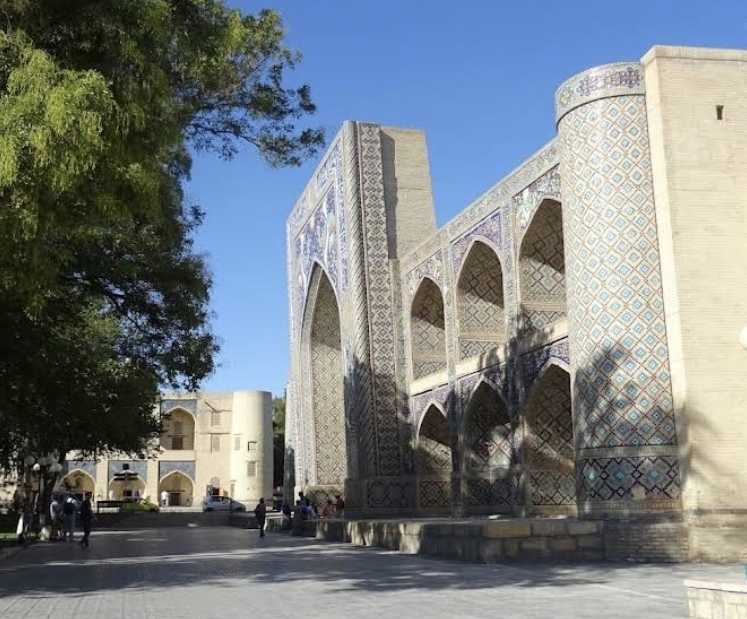
The Nodir Divan-begi Madrasah
🎧
Listen Audio Guide
⏱ Working hours: 08.00-19.00
💰 Ticket: 15000 sum
📍 Address: https://maps.app.goo.gl/14yhUkZtppHRtT2i8
The Nodir Divan-begi Madrasah is an outstanding monument of oriental architecture and a jewel of the famous Lyabi-Hauz ensemble in the historic center of Bukhara. This unique educational institution was built in the first half of the seventeenth century by order of the influential vizier Nodir Divan-begi and was originally constructed as a caravanserai before being converted into a majestic madrasah. The primary and world-famous feature of its magnificent portal is the striking mosaic depiction of two mythical birds of happiness (Simurg) carrying deer in their talons against the backdrop of a radiant sun, which uniquely departed from traditional Islamic canons of art of that era. Today, the inner courtyard of the madrasah houses artisan workshops and exhibitions of traditional applied arts. Walking around the Lyabi-Hauz square and viewing the exterior facade of the madrasah is completely free of charge for all visitors, while entering the interior courtyard costs fifteen thousand sums.
City: Бухара
 0:00
Lyabi Hauz
🎧
Listen Audio Guide
⏱ Working hours: -
💰 Ticket: -
📍 Address: https://maps.app.goo.gl/GQKD5h1EBHbxzQg7A
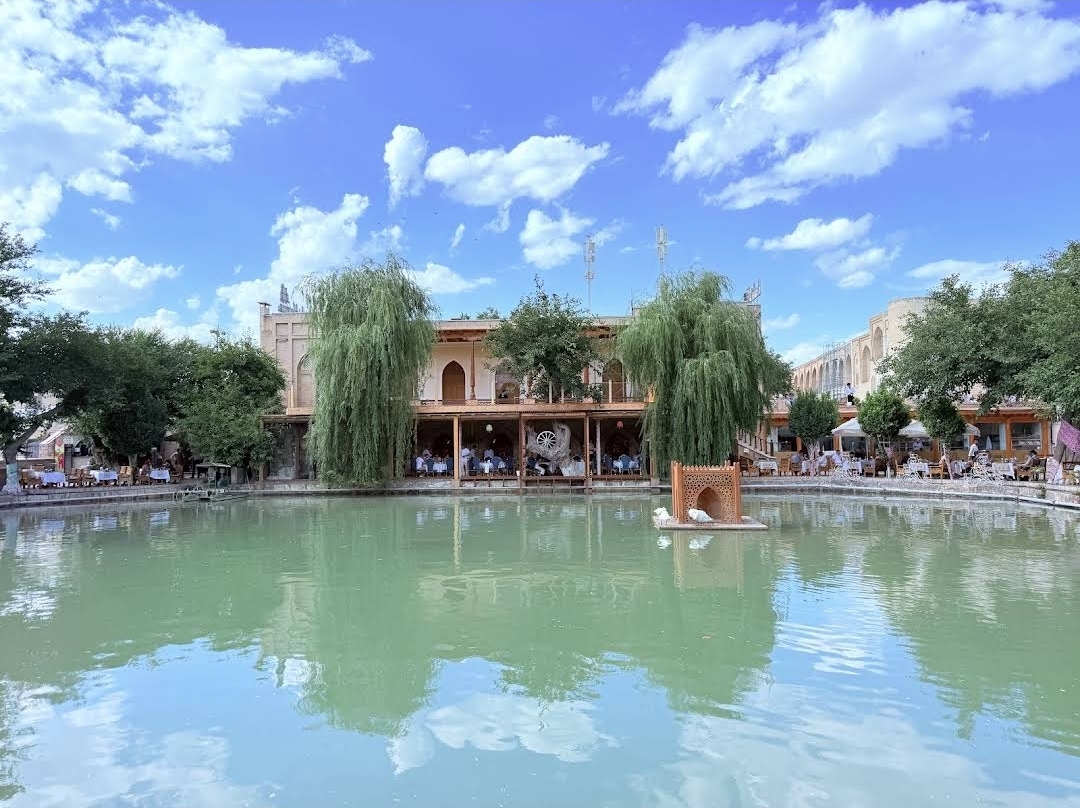
Lyabi-Hauz is the famous and picturesque central public square of historical Bukhara, serving as a favorite gathering and relaxation spot for locals and travelers from around the world. The name of the architectural ensemble literally translates as "around the pond," as the compositional core of the square is a massive artificial reservoir (hauz) surrounded by towering, spreading plane trees that are several centuries old. This unique urban ensemble was formed in the sixteenth and seventeenth centuries, harmoniously uniting prominent architectural monuments around the water: the majestic Kukeldash Madrasah, the spacious khanaqah, and the ornate Nodir Divan-begi Madrasah. Strolling across the open public square around the pond, relaxing in the shade of ancient trees, and viewing the exterior architectural ensembles are completely free of charge for all visitors.
City: Бухара
 0:00
The Kukeldash Madrasah
🎧
Listen Audio Guide
⏱ Working hours: 08.00-19.00
💰 Ticket: 15000 sum
📍 Address: https://maps.app.goo.gl/xPQ3sotyx3KKEFYs5?g_st=ac
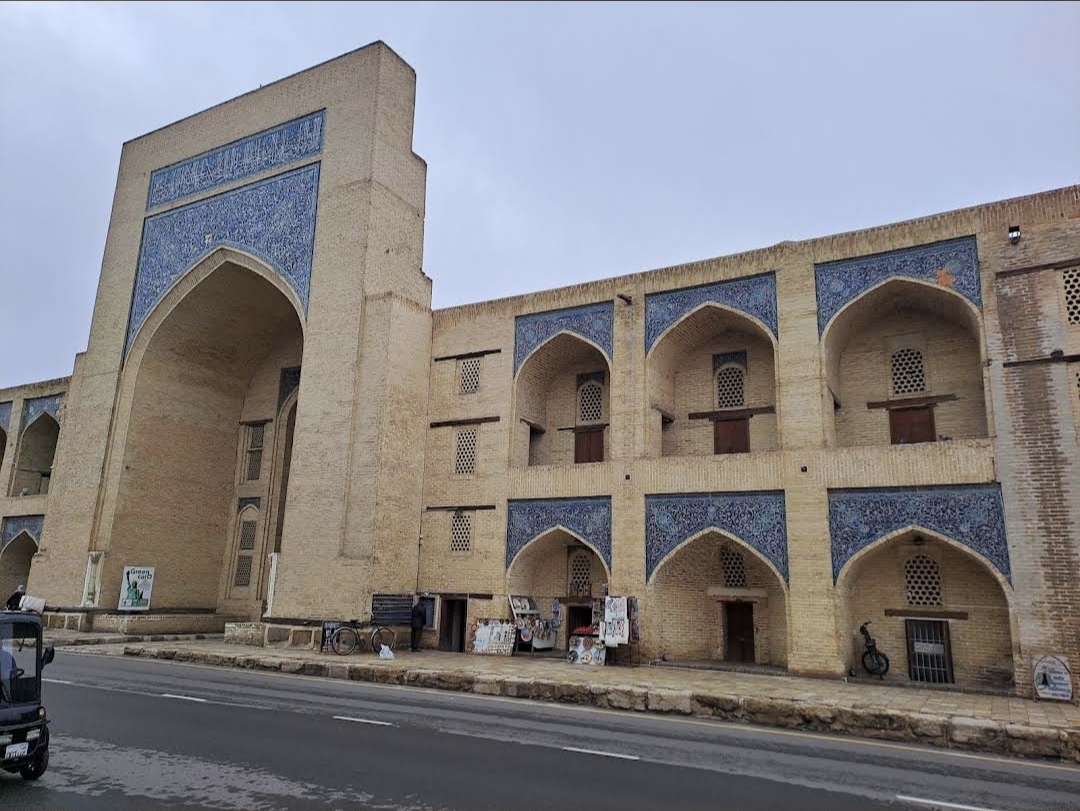
The Kukeldash Madrasah is the largest madrasah in Bukhara and one of the most majestic buildings of Islamic higher education in all of Central Asia, located in the very heart of the Lyabi-Hauz ensemble. This grandiose architectural monument was erected in the sixteenth century during the Shaybanid dynasty by the influential statesman and nobleman Kulbaba Kukeldash. The monumental two-story building astounds visitors with its massive dimensions, the rich tile decor of its main portal, and one hundred thirty student cells (hujras) where hundreds of students from across the Islamic world once lived and studied. The famous Bukharan writer Sadriddin Ayni detailed his years of studying and living within the walls of this madrasah in his autobiographical works. Strolling across the Lyabi-Hauz square and viewing the exterior facade of the building is completely free of charge for all visitors, while entering the interior courtyard costs fifteen thousand sums.
City: Бухара
 0:00
The Monument to Khoja Nasreddin (Afandi)
🎧
Listen Audio Guide
⏱ Working hours: -
💰 Ticket: -
📍 Address: https://maps.app.goo.gl/cKRGFyTfpjfmU4Bi7?g_st=ac
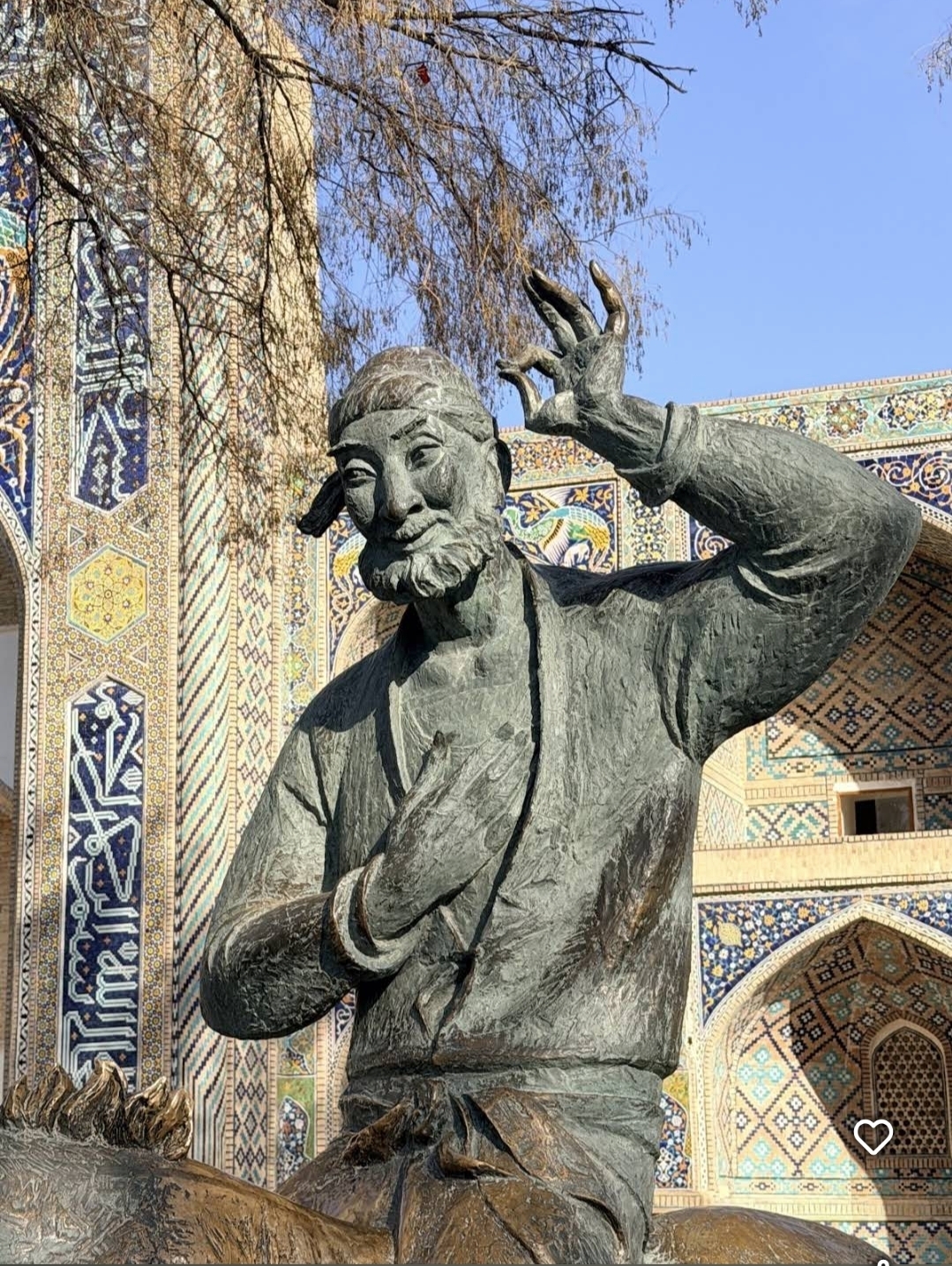
The Monument to Khoja Nasreddin (Afandi) is one of the most cheerful, beloved, and popular tourist sights in Bukhara, located in the historic center near the famous Lyabi-Hauz ensemble. The sculptural composition depicts the legendary oriental sage, folk humorist, and philosopher Khoja Nasreddin sitting atop his loyal donkey and smiling warmly at every passerby. The figure of Afandi symbolizes folk wisdom, subtle irony, optimism, and an enduring sense of humor that helped people overcome life's hardships. There is a popular local superstition: if you make a cherished wish and rub the donkey's nose or right hoof, it will certainly come true. Viewing the monument in the open public square is completely free of charge for all travelers
City: Бухара
 0:00
The Chor Minor Madrasah
🎧
Listen Audio Guide
⏱ Working hours: 09.00-18.00
💰 Ticket: 10000 sum
📍 Address: https://maps.app.goo.gl/1FNnUAvPgs1SF55U8?g_st=ac
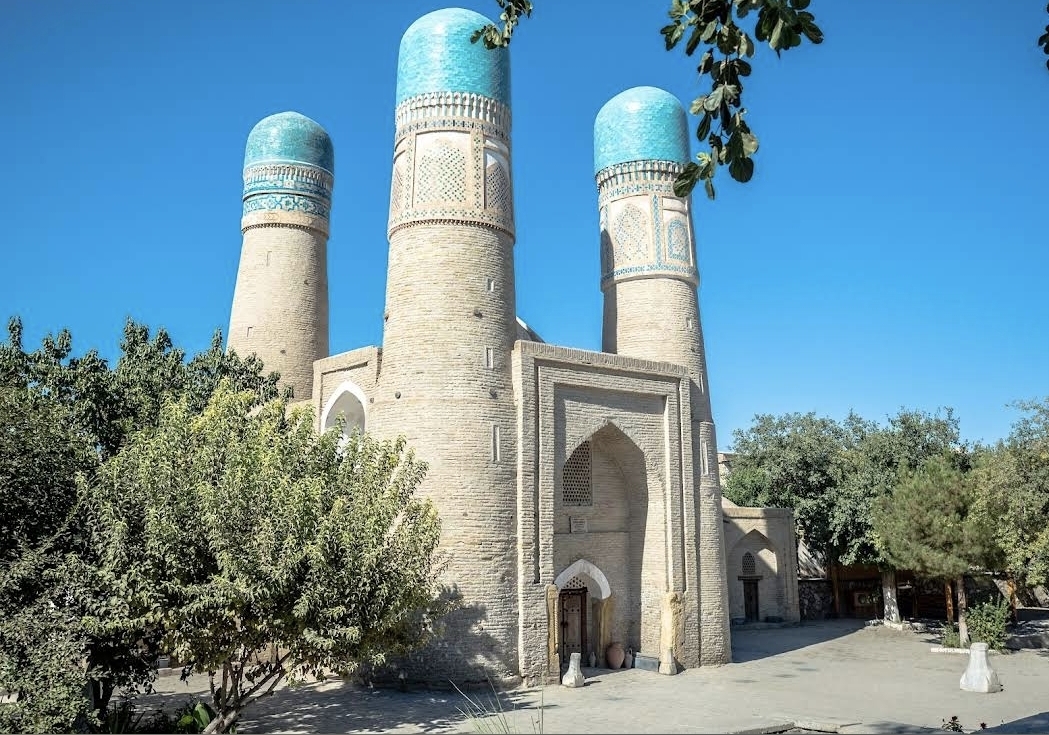
The Chor Minor Madrasah is one of the most unique, recognizable, and unusual architectural monuments of Bukhara, translating from Persian as "four minarets." This historic complex was built at the very beginning of the nineteenth century, in eighteen hundred and eight, funded by a wealthy Turkmen merchant named Khalif Niyazkul, and was originally intended as a monumental gatehouse for a large madrasah that has not survived. The main architectural feature of the building is its four graceful corner towers topped with turquoise domes, where the decoration of each tower incorporates unique symbolic patterns reflecting the philosophical concept of four world religions. Strolling through the quiet square around the madrasah and viewing its unusual exterior is completely free of charge for all visitors, while entering the small courtyard and souvenir shop costs ten thousand sums.
City: Бухара
 0:00
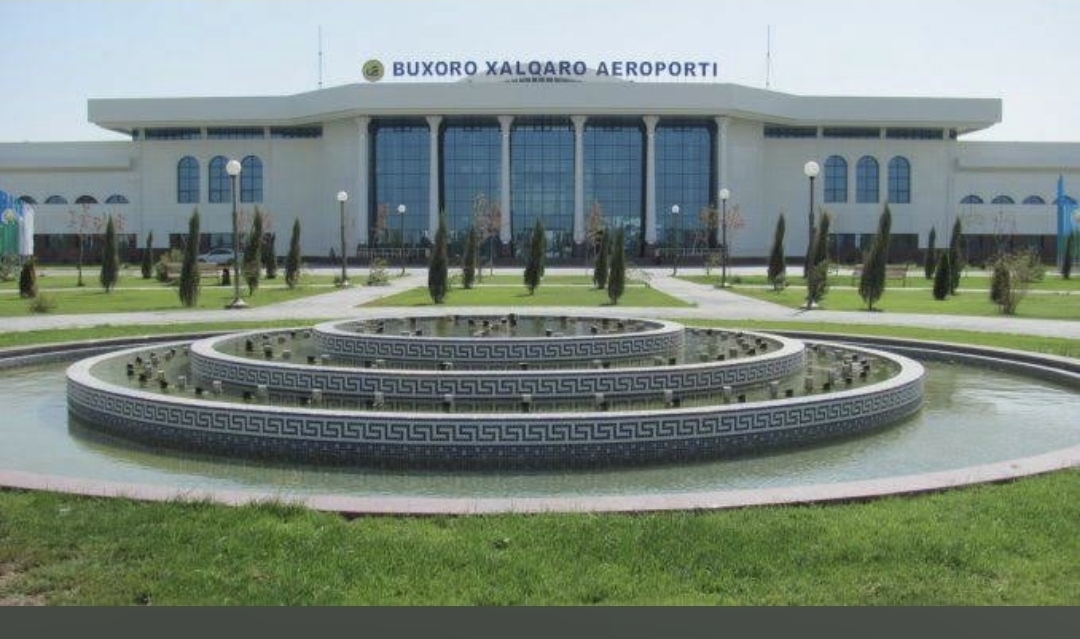
Bukhara International Airport
🎧
Listen Audio Guide
⏱ Working hours: -
💰 Ticket: -
📍 Address: https://maps.app.goo.gl/TmhKFqSigSjogVum7?g_st=ac
Bukhara International Airport, holding the IATA code BHK, is located just six kilometers east of the city's historic center. Travelers can conveniently reach the airport from downtown by regular public buses or taxis within about ten to fifteen minutes.
The history of this aviation hub dates back to the Soviet era, when the region required reliable air links with major administrative centers. Over the decades, the infrastructure has undergone several upgrades, evolving into a key gateway for international tourists visiting ancient monuments.
The flight network features regular domestic connections to Tashkent, alongside international routes servicing major destinations in Russia (such as Moscow and Saint Petersburg) and Turkey (Istanbul), operated by carriers including Uzbekistan Airways and Turkish Airlines.
Within the terminal building, passengers can utilize essential services including waiting lounges, luggage storage facilities, an information desk, ticket counters, and retail and dining outlets.
City: Бухара
 0:00
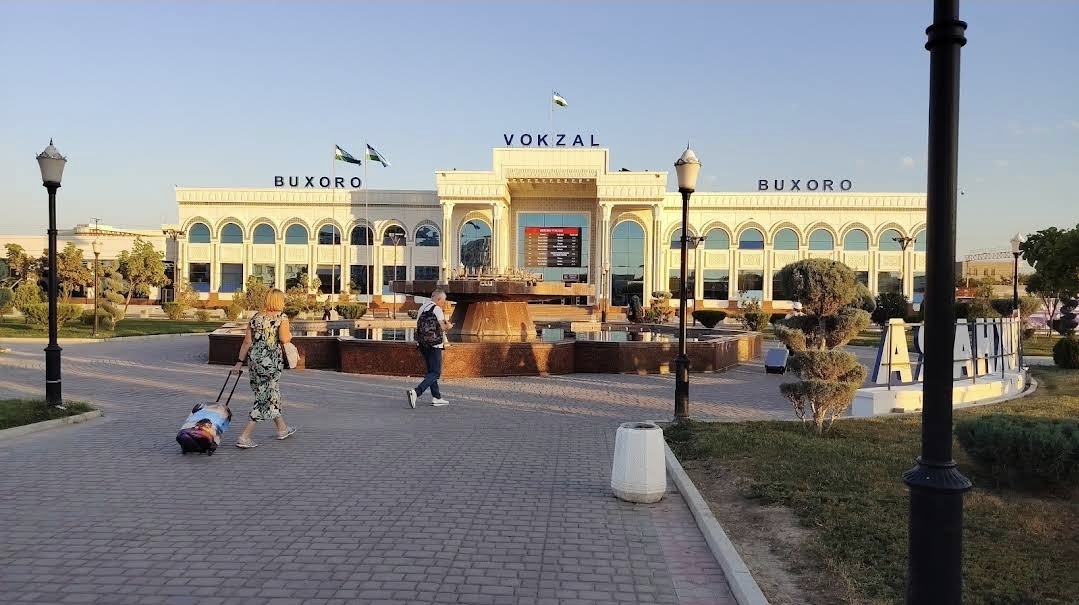
The Bukhara-1 railway station
🎧
Listen Audio Guide
⏱ Working hours: -
💰 Ticket: -
📍 Address: https://maps.app.goo.gl/dbFVLVusbCdw22Dk8
The Bukhara-1 railway station is located in the town of Kagan, approximately twelve kilometers southeast of the historic center of Bukhara. Travelers can easily reach the station from the city by regular buses, shared vans, or taxis in about fifteen to twenty minutes.
The history of this transport hub dates back to the late nineteenth century, specifically to eighteen eighty-eight, when the Trans-Caspian railway reached the region, giving a powerful boost to local economic growth. In the two-thousands, the station building underwent a comprehensive reconstruction, transforming into a modern and comfortable transit complex.
City: Бухара
0:00
The main intercity bus terminal
🎧
Listen Audio Guide
⏱ Working hours: -
💰 Ticket: -
📍 Address: https://maps.app.goo.gl/UusfQAoYL3UPkMpHA?g_st=ac
The main intercity bus terminal of Bukhara is located in the northern part of the city, providing regular bus connections with other regions of the country. Travelers can easily reach the bus station from the historical center by public buses or taxis within fifteen to twenty minutes.
The history of Bukhara's modern bus transportation infrastructure is closely tied to the broader development of Uzbekistan's regional transit corridors. Over recent years, the station facilities have undergone upgrades to enhance passenger comfort and streamline long-distance scheduling.
The terminal's route network covers popular inter-regional destinations connecting Bukhara with Tashkent, Samarkand, Navoi, Karshi, Urgench, Khiva, and Nukus. Additionally, frequent commuter and regional routes operate toward district centers and towns within the Bukhara region, such as Kagan, Gijduvan, Vobkent, and Karakol.
Inside the station building, passengers have access to a covered waiting hall, ticket counters for intercity routes, an information desk, and basic retail kiosks.
City: Самарканд
 0:00
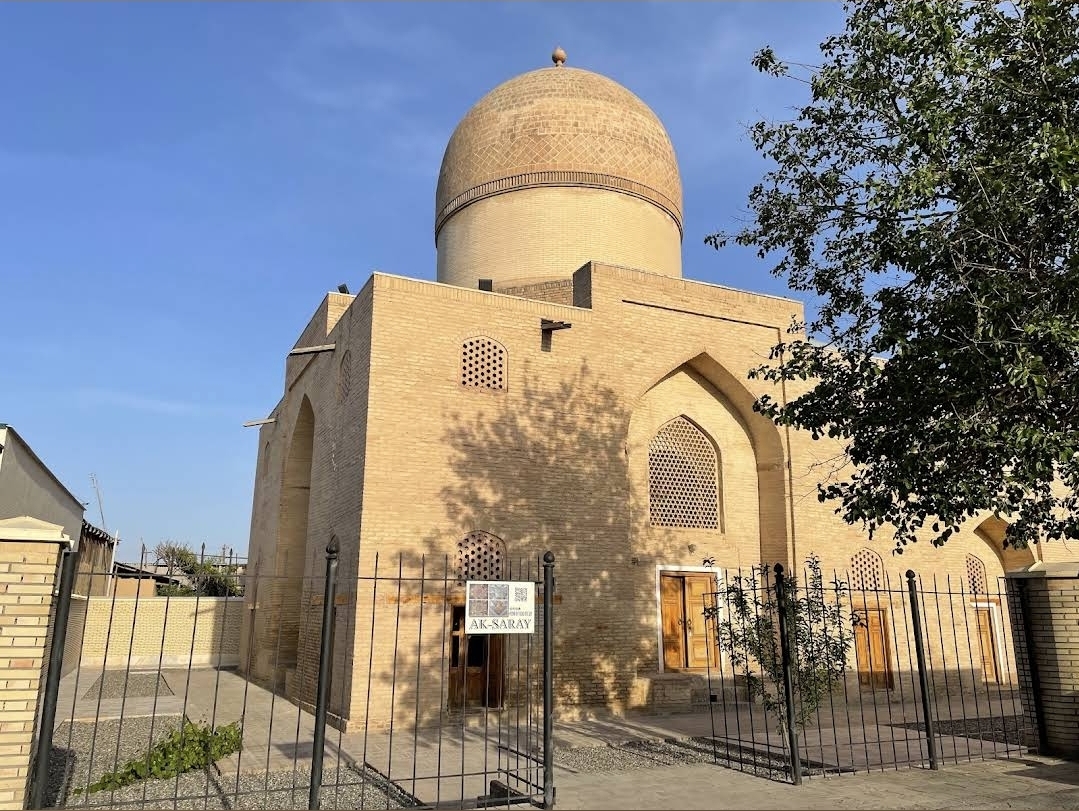
The Ak-Saray Mausoleum
🎧
Listen Audio Guide
⏱ Working hours: 08.00-19.00
💰 Ticket: 15000 sum
📍 Address: https://maps.app.goo.gl/Z8VQsUHngooxLQhY6?g_st=ac
The Ak-Saray Mausoleum in Samarkand is an outstanding late-fifteenth-century Timurid architectural monument situated just thirty meters southeast of the world-famous Gur-e-Amir complex. The name of the structure translates from Turkic as the "White Palace," although historically this building served exclusively as a dynastic memorial tomb.
The exact construction date of the mausoleum is absent from historical records, but architectural analysis and stylistic features allow researchers to date its creation to the eighteen-seventies—specifically the fourteen-seventies. According to historical hypotheses, noble members of the Timurid royal family or the ruler Abd al-Latif, son of Mirzo Ulugh Beg, may have been buried here.
Architecturally, the monument features a rectangular floor plan capped by an elegant dome resting on a high cylindrical drum adorned with traditional mosaic work. In the two-thousands, the heavily ruined historic structure was thoroughly restored through private patronage and reopened to the public.
Viewing the exterior architecture and the surrounding area
City: Самарканд
 0:00
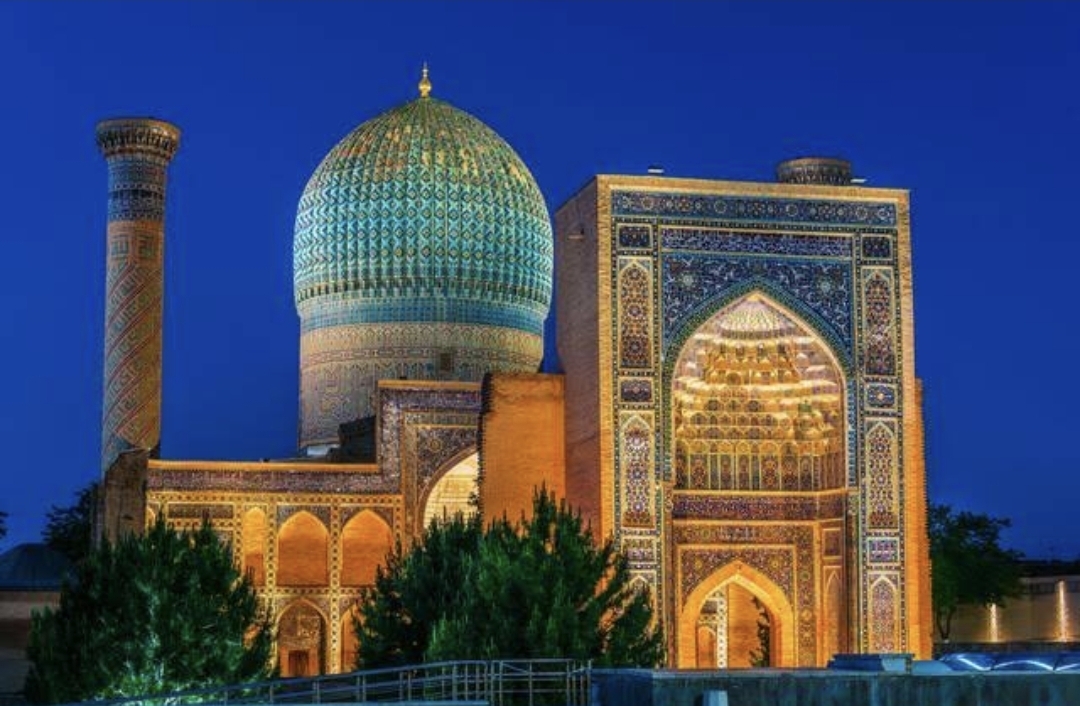
The Gur-e-Amir Mausoleum
🎧
Listen Audio Guide
⏱ Working hours: 08.00-22.00
💰 Ticket: 75000 sum
📍 Address: https://maps.app.goo.gl/7PPA5nENr41fH5ZJ6
The Gur-e-Amir Mausoleum in Samarkand is the world-famous final resting place of the conqueror Amir Timur and members of the royal Timurid dynasty. The construction of this memorial complex began in fourteen hundred and three by order of Tamerlane himself for his prematurely deceased grandson Muhammad Sultan.
The architectural brilliance of the monument is highlighted by its majestic, fluted azure-blue dome featuring sixty-four ribbed facets. The interior decoration dazzles with opulence: the walls are adorned with carved green onyx panels, and the vaults are covered in delicate gold ornamentation. At the center of the hall lies a dark green nephrite jade headstone marking Timur's grave.
Strolling around the outer grounds is completely free of charge, while the admission ticket to enter the interior shrine costs seventy-five thousand sums.
City: Самарканд
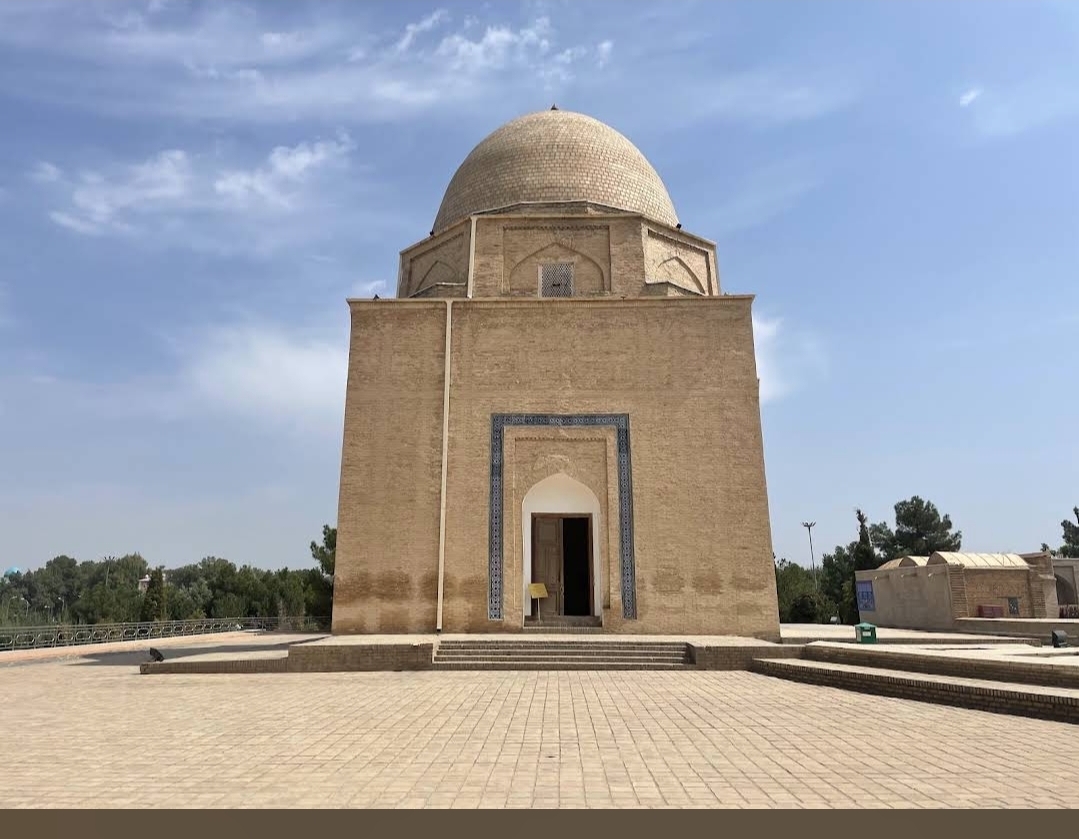 0:00
Ruhabad
🎧
Listen Audio Guide
⏱ Working hours: 08.00-19.00
💰 Ticket: -
📍 Address: https://maps.app.goo.gl/mrtxjKrpaigRmHiJA?g_st=ac
The Ruhabad Mausoleum in Samarkand is one of the city's oldest structures, erected in fourteen hundred and eighty by order of Amir Timur over the grave of the prominent Islamic theologian Sheikh Burhaneddin Sagarji. The monument's name translates from Persian as the "Abode of the Spirit".
The architecture stands out for its austere and restrained beauty, contrasting with later lavish buildings. The structure is a massive single-dome cube featuring three identical portal entrances and lacking excessive ornamentation. According to legend, hairs from the beard of the Prophet Muhammad are preserved beneath the dome.
Viewing the exterior architecture and entering the interior space of the Ruhabad Mausoleum is completely free of charge for all visitors.
City: Самарканд
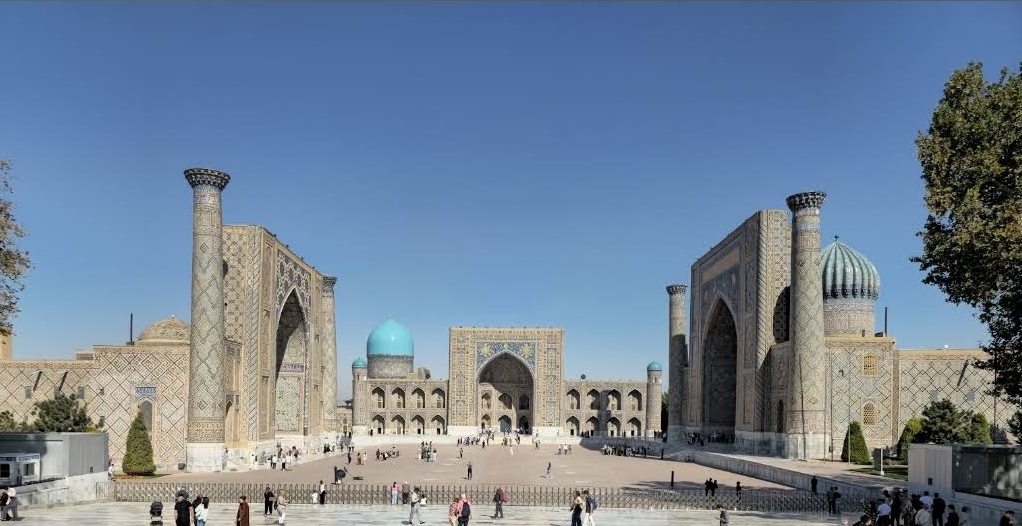 0:00
Registan Square
🎧
Listen Audio Guide
⏱ Working hours: 08.00-20.00
💰 Ticket: 100000 sums
📍 Address: https://maps.app.goo.gl/vKCB8wdPWc7xYen28?g_st=ac
Registan Square in Samarkand is a world-renowned masterpiece of oriental architecture, serving as the ultimate symbol of not only the city but all of Central Asia and inscribed on the UNESCO World Heritage List. The name "Registan" translates from Persian as a "sandy place", referencing its historical past when it served as an open-air trading hub and a central public gathering place for royal announcements.
The architectural ensemble of the square is framed by three magnificent madrasahs built across different centuries:Ulugbek, Tilla Kori, Sherdor
City: Самарканд
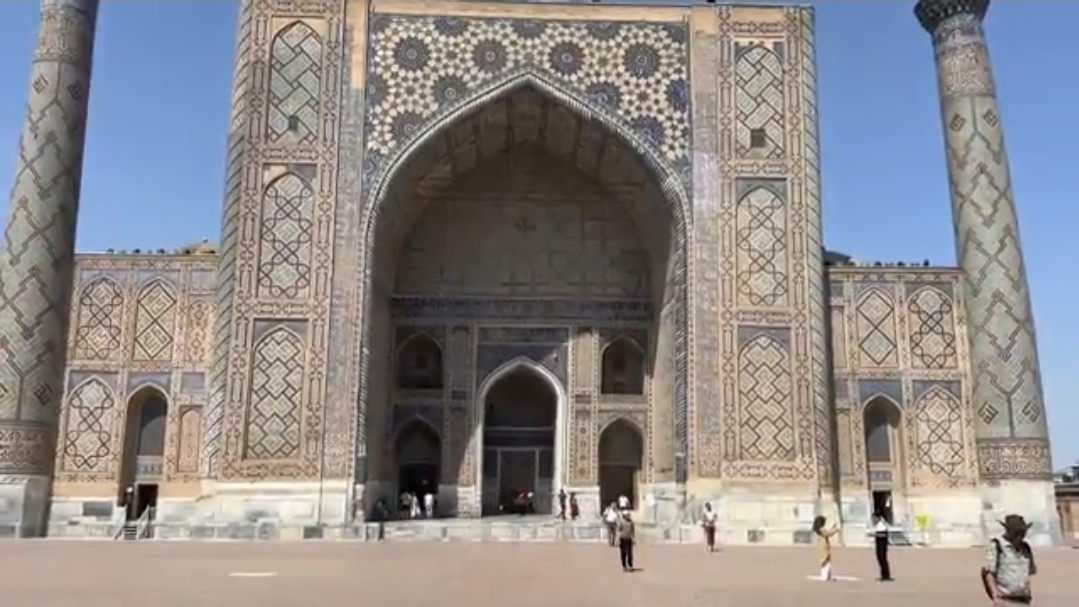 0:00
The Ulugh Beg Madrasah
🎧
Listen Audio Guide
⏱ Working hours: 08.00-20.00
💰 Ticket: -
📍 Address: https://maps.app.goo.gl/keEWsYu5jLUkYzc9A?g_st=ac
The Ulugh Beg Madrasah in Samarkand is the oldest monumental building of the Timurid era, gracing the western side of Registan Square. It was erected by order of the astronomer-king Mirzo Ulugh Beg in the early fifteenth century, between fourteen hundred and seventeen and twenty. Historically, this prestigious institution functioned as one of the leading scientific universities of the medieval Islamic world, teaching theology, mathematics, and astronomy.
The architectural design strikes visitors with its massive portal featuring a towering pointed arch, while its walls and corner minarets are richly adorned with intricate mosaic patterns. The upper section of the portal incorporates star-themed decorations honoring Ulugh Beg's passion for astronomy. The inner courtyard is enclosed by two tiers of student residential cells.
Exterior viewing is free, while entering the interior requires a ticket.
City: Самарканд
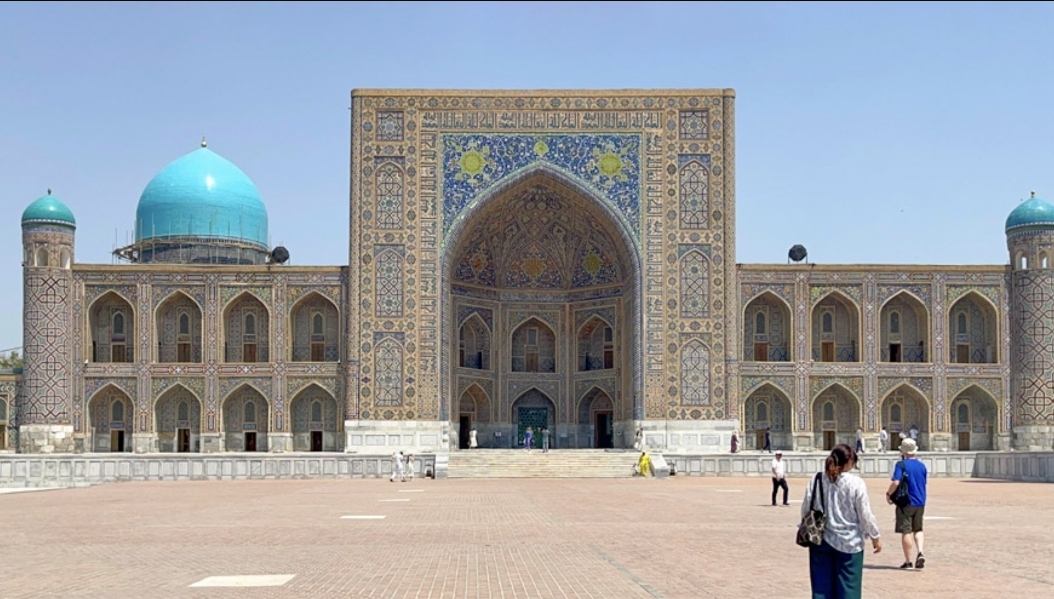 0:00
The Tilya-Kori Madrasah
🎧
Listen Audio Guide
⏱ Working hours: 08.00-20.00
💰 Ticket: -
📍 Address: https://maps.app.goo.gl/s6uznT5JMYBZYtjN7?g_st=ac
The Tilya-Kori Madrasah (translating from Persian as "gilded") completes the magnificent architectural ensemble of Registan Square in Samarkand. It was built in the seventeenth century, between sixteen forty-six and sixty, by order of the city ruler Yalangtush Bakhadur. Since older congregational mosques had fallen into ruin, the building was uniquely designed to combine functions of a higher school and the main Friday mosque.
The main highlight is the mosque's domed prayer hall in the western wing, dazzling with intricate gilding and gold leaf ornamentation. Exterior viewing is free, while entering the interior requires a ticket.
City: Самарканд
 0:00
The Sher-Dor Madrasah
🎧
Listen Audio Guide
⏱ Working hours: 08.00-20.00
💰 Ticket: -
📍 Address: https://maps.app.goo.gl/r6GFUmciotevEmKF6?g_st=ac
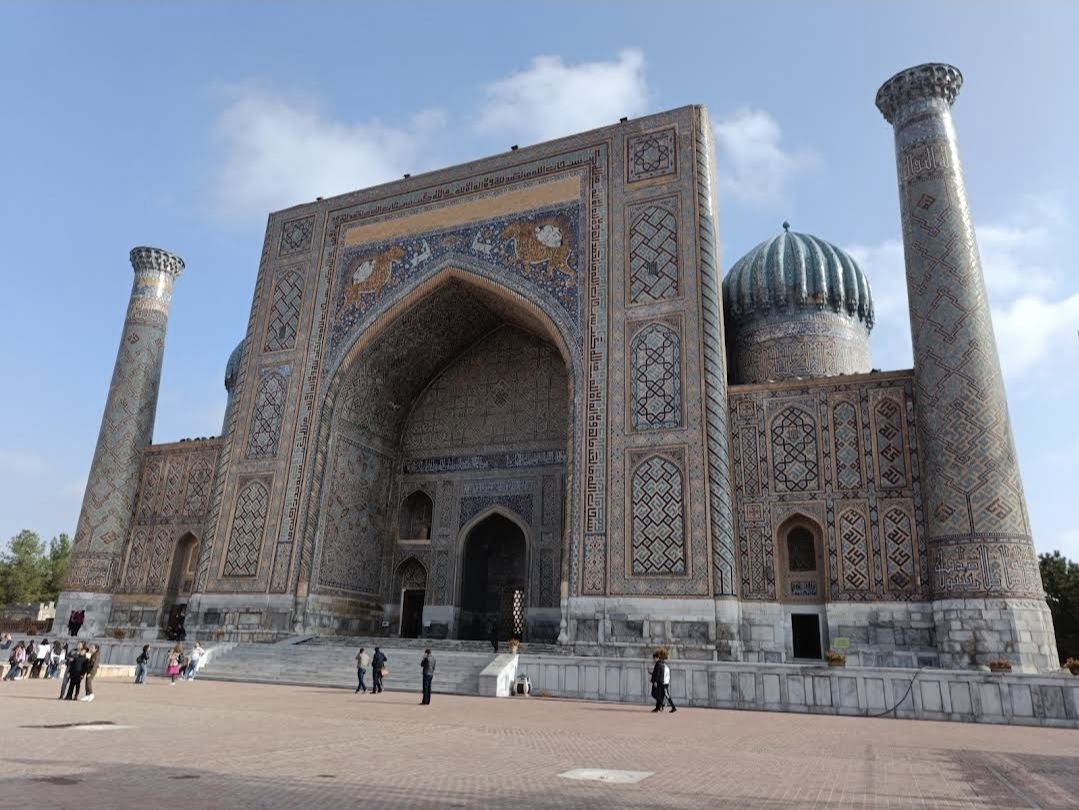
The Sher-Dor Madrasah is a famous seventeenth-century landmark gracing the eastern side of Registan Square in Samarkand. Built between sixteen hundred and nineteen and thirty-six by order of Yalangtush Bakhadur as a mirror image of the Ulugh Beg Madrasah, its name translates as "having lions."
The monument's world fame stems from its unique portal mosaic decor. Contrary to traditional Islamic canons, it depicts mythical tigers chasing deer beneath a radiant sun with a human face. The interior features a traditional courtyard with student cells.
Exterior viewing is free, while entering the interior requires a ticket. thank you for your attention
City: Самарканд
 0:00
The Bibi-Khanym Mosque
🎧
Listen Audio Guide
⏱ Working hours: 07.00-22.00
💰 Ticket: 75000 sums
📍 Address: https://maps.app.goo.gl/mSyFjuzYv7zm6tzi6?g_st=ac
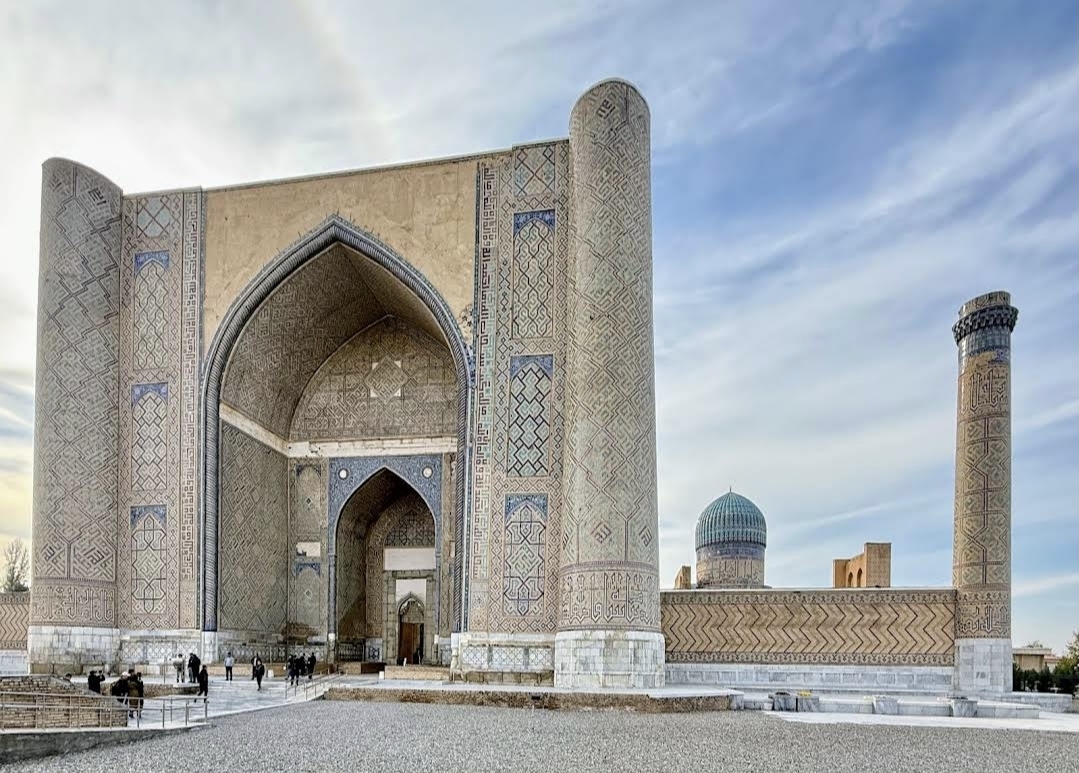
The Bibi-Khanym Mosque in Samarkand is a grandiose architectural monument of the Timurid era, erected between the years one thousand three hundred and ninety-nine and one thousand four hundred and four by order of the great conqueror Amir Timur. The name of the complex translates from Turkic as the "senior princess" in honor of Tamerlane's beloved wife, Queen Saray Mulk Khanum.
This massive construction project staggered contemporaries with its colossal proportions: a towering grand entrance portal, high azure-blue domes, and an expansive monumental courtyard capable of accommodating several thousand worshippers for Friday prayers. A giant carved stone Qur'an stand still stands in the center of the open courtyard.
Viewing the majestic exterior facades and the surrounding square of the Bibi-Khanym complex is completely free of charge for all travelers, while entering the inner courtyard and historical chambers requires an admission ticket. thank you for your attention
City: Самарканд
 0:00
Сиабский базар
🎧
Listen Audio Guide
⏱ Working hours: 07.00-18.00
💰 Ticket: -
📍 Address: https://maps.app.goo.gl/VejCtgJ3jfPCAQzY9?g_st=ac
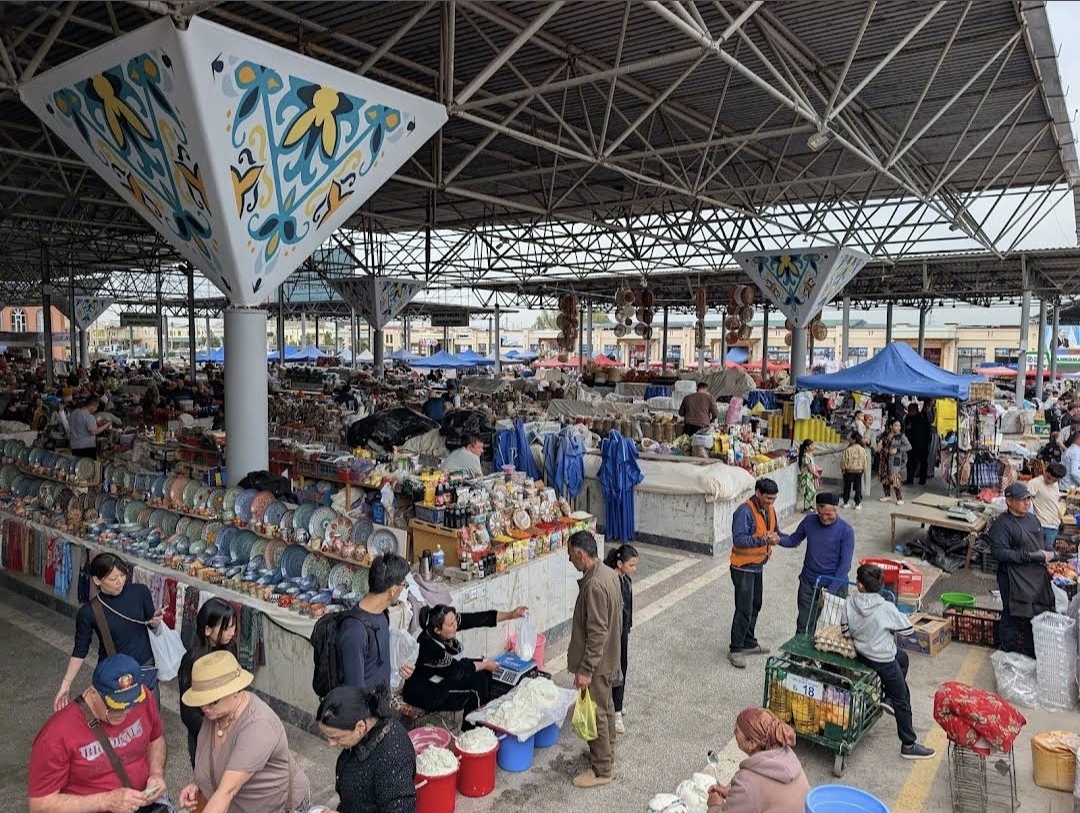
The Siab Bazaar is the oldest, largest, and most colorful traditional market in Samarkand, located in the historic center of the city just a short walk from the famous Bibi-Khanym Mosque. For centuries, this bustling trading hub served as a vital stop along the Great Silk Road, where caravans loaded with spices, fabrics, and fruits from across the East converged.
Today, beneath the market's vast modern domes, the unmistakable atmosphere of an oriental bazaar thrives. Year-round, vendors sell the famous round Samarkand flatbreads (each baker boasting a unique recipe and stamped pattern), the freshest seasonal fruits, grapes, dried fruits and nuts, oriental sweets, aromatic spices, and traditional handicrafts and souvenirs.
Strolling through the bustling aisles of the Siab Bazaar and sampling local treats is completely free of charge for all visitors.
City: Самарканд
 0:00
The Hazrat Khizr Mosque
🎧
Listen Audio Guide
⏱ Working hours: 08.00-19.00
💰 Ticket: -
📍 Address: https://maps.app.goo.gl/wZGKNayK5Cbe9Mso8?g_st=ac
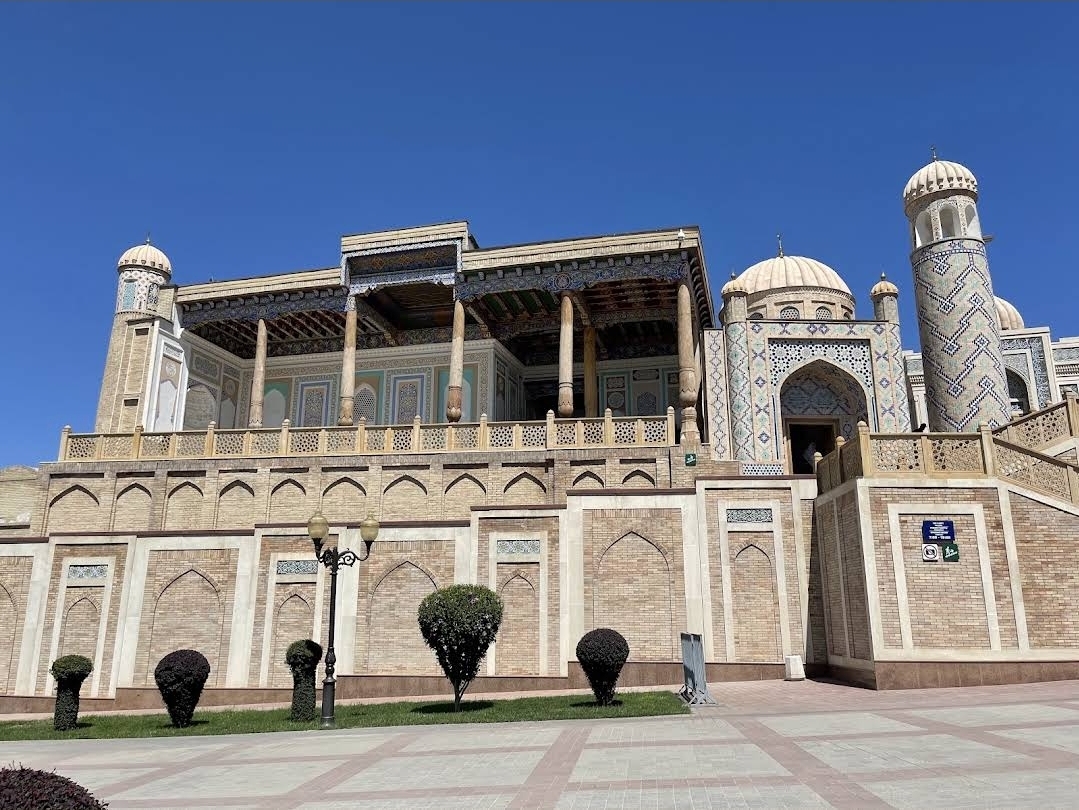
The Hazrat Khizr Mosque in Samarkand is one of the city's oldest, most revered, and picturesque religious landmarks, situated on the southern elevation of the ancient Afrasiab settlement, opposite the Siab Bazaar and near the Shah-i-Zinda complex.
History and Legends
The mosque is dedicated to Khizr (Khidr), a legendary prophetic figure in Islamic tradition revered as the patron saint of travelers, merchants, and the guardian of the fountain of eternal life.
According to historical records, the first mosque on this elevated site was established in the early eighth century (in 712 AD) following the Arab conquest of Sogdiana, replacing an ancient Zoroastrian temple.
This structure was completely destroyed during the Mongol invasion led by Genghis Khan in the thirteenth century.
City: Самарканд
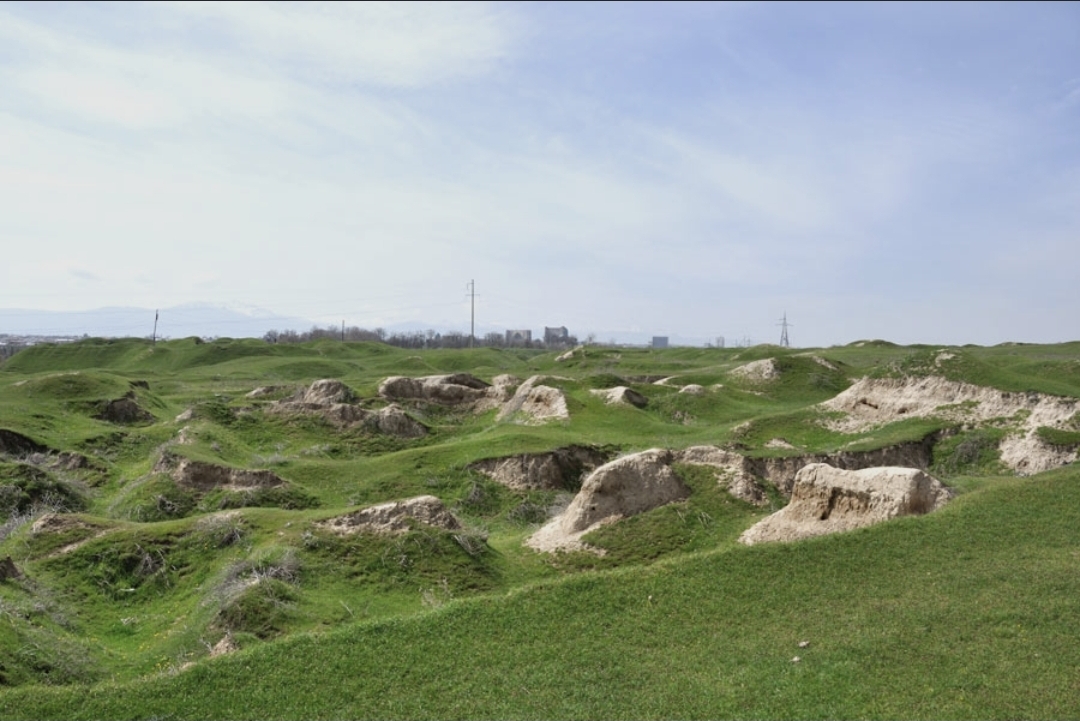 0:00
The Afrasiab Museum
🎧
Listen Audio Guide
⏱ Working hours: 08.00-19.00
💰 Ticket: 40000 sums
📍 Address: https://maps.app.goo.gl/CFEgbmKMCRZPFRXp6?g_st=ac
The Afrasiab Museum of Samarkand History is a unique archaeological institution situated at the foot of the ancient Afrasiab settlement, which was founded around the sixth to fifth centuries BCE. The museum opened its doors in one thousand nine hundred and seventy and preserves a rich collection of artifacts unearthed during excavations of ancient Maracanda.
The highlight of the exhibition is the priceless collection of seventh-to-eighth-century CE wall paintings known as the "Ambassadors' Painting" discovered in the royal Sogdian palace.
The admission ticket to enter the museum exhibition costs forty thousand sums.
City: Самарканд
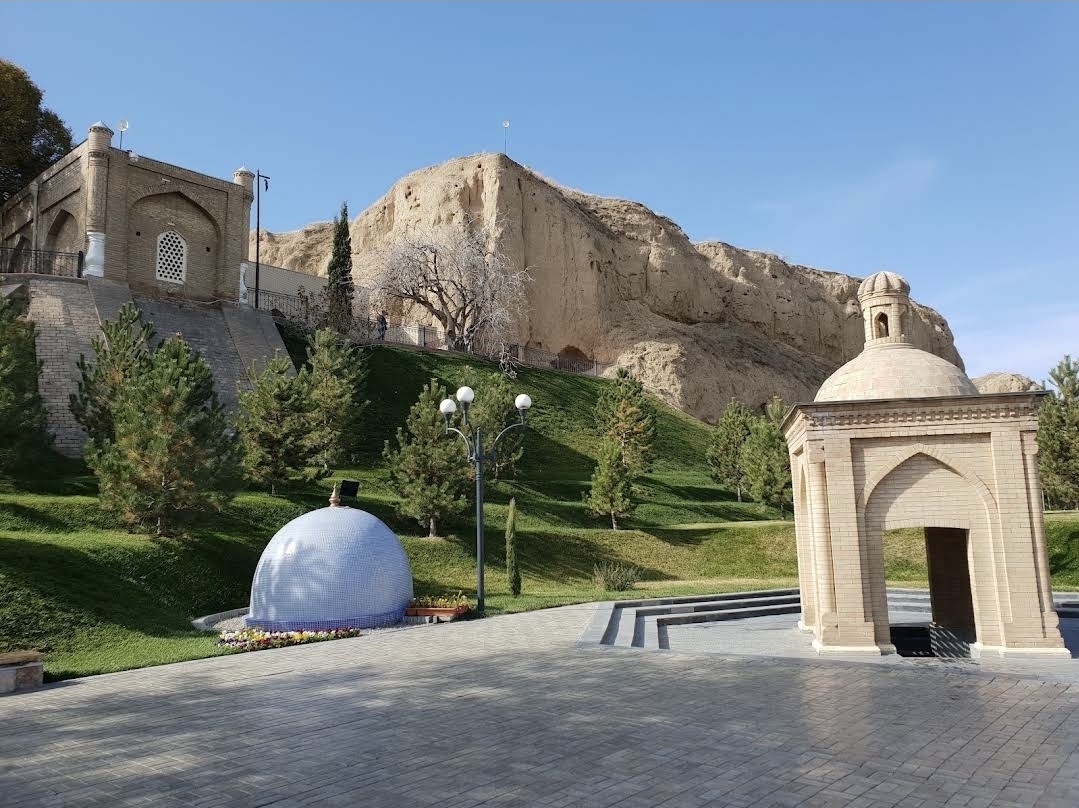 0:00
The Mausoleum of Saint Daniel
🎧
Listen Audio Guide
⏱ Working hours: 09.00-19.00
💰 Ticket: 30000 sums
📍 Address: https://maps.app.goo.gl/kJaaCTGXHAWndEA26?g_st=ac
The Mausoleum of Saint Daniel (known to Muslims as Hodja Daniyar, and to Christians and Jews as the Old Testament prophet Daniel) in Samarkand is a uniquely revered interfaith shrine situated on a picturesque hillside along the Siab River near the ancient Afrasiab settlement.
History and Legend
Prophet Daniel was born in Jerusalem in the sixth century BCE of royal descent. Taken captive to Babylon, he rose to prominence as a wise statesman, advisor to kings, and a gifted interpreter of dreams who miraculously survived the lions' den.
According to tradition, the bringing of his relics to Samarkand is attributed to the conqueror Amir Timur:
During his military campaign in the Middle East, Tamerlane besieged the city of Susa (modern-day Iran) but faced fierce, unbreakable resistance.
Local sages revealed that the city was protected by the spirit and relics of Saint Daniel.
Respecting the holy site, Timur negotiated terms, obtained a portion of the sacred relics (specifically the prophet's right arm), and dispatched them to Samarkand to bless and protect his imperial capital.
Legend states that when the camel caravan reached the Siab River, the animals stopped and refused to move further, marking this spot as the final resting place.
City: Самарканд
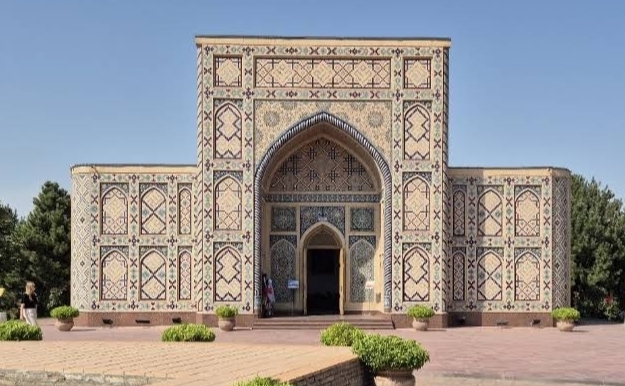 0:00
The Ulugbek Observatory
🎧
Listen Audio Guide
⏱ Working hours: 08.00-20.00
💰 Ticket: 50000 sums
📍 Address: https://maps.app.goo.gl/B2MueZP4XRnxjFvo7?g_st=ac
The Ulugh Beg Observatory in Samarkand is an outstanding scientific monument of the medieval East, built in the first half of the fifteenth century (between fourteen hundred and twenty-four and twenty-eight) on the Kuhak hill by the astronomer-king Mirzo Ulugh Beg.
The centerpiece was a giant stationary sextant with a radius exceeding forty meters, carved directly into bedrock. Here, Ulugh Beg compiled the famous "Zij-i-Sultani," mapping over a thousand star coordinates and calculating the year's duration with astonishing accuracy.
Visiting the museum and seeing the ancient instrument's remains requires a ticket. thank you for your attention
City: Самарканд
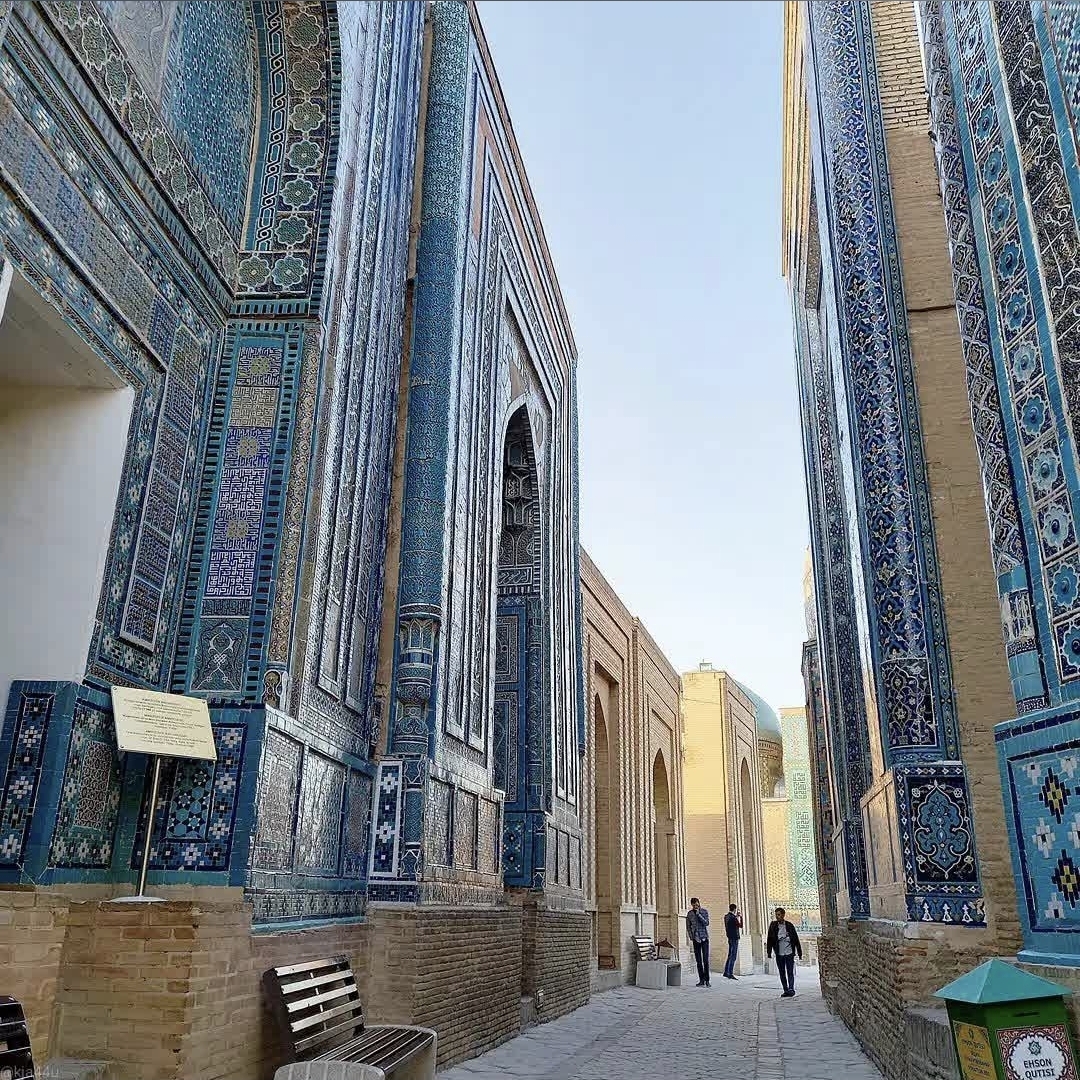 0:00
The Shah-i-Zinda ensemble
🎧
Listen Audio Guide
⏱ Working hours: 08.00-22.00
💰 Ticket: 80000 sums
📍 Address: https://maps.app.goo.gl/eXuoAAsYheSpnza1A?g_st=ac
The Shah-i-Zinda ensemble in Samarkand is a magnificent medieval necropolis located on the southern slopes of the ancient Afrasiab settlement. The name translates from Persian as the "Living King", honoring Kusam ibn Abbas, a cousin of the Prophet Muhammad who brought Islam to the region.
Developing over several centuries, this breathtaking street-necropolises features a sequential row of shrines adorned with exquisite turquoise, deep blue glazed tiles, and intricate geometric mosaics.
Visiting this historic architectural complex requires an admission ticket. thank you for your attention
City: Самарканд
 0:00
The Konigil tourist village
🎧
Listen Audio Guide
⏱ Working hours: 08.00-18.00
💰 Ticket: 25000 sums
📍 Address: https://maps.app.goo.gl/Qm8dJKP1JdvuREMD7?g_st=ac
Meros Paper Mill:
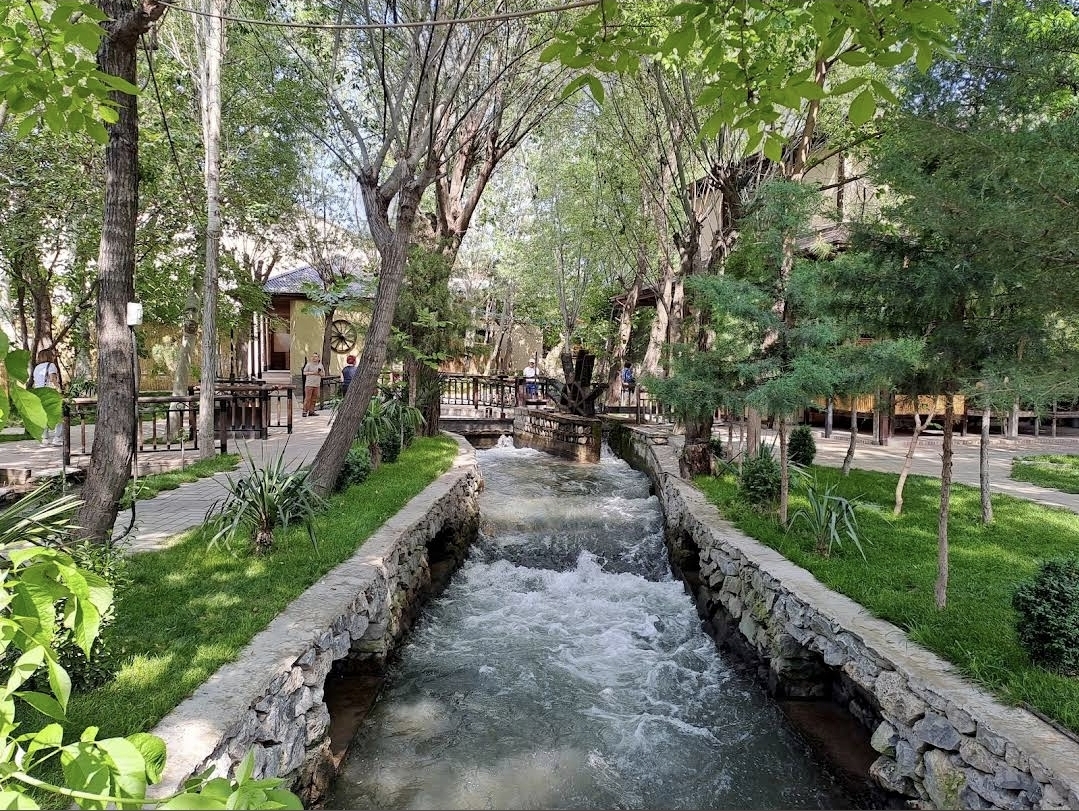
The crown jewel of the village, founded by the master Mukhtarov brothers. Here, the ancient method of crafting handmade Samarkand paper has been fully revived. Made entirely from natural mulberry bark using traditional tools like water-powered wheels (charkhpalak), this paper is famous for its durability and can last for centuries, making it ideal for restoring ancient manuscripts. Visitors can watch the entire production process live.
Workshops and Atmosphere:
The village features local artisan workshops (pottery, national souvenirs) and tranquil teahouses set right by the stream under shady trees, where travelers can relax, enjoy local fruits, and taste authentic Samarkand pilaf.
Visiting Konigil offers a peaceful escape into nature combined with a deep dive into Uzbekistan's living heritage. thank you for your attention
City: Самарканд
 0:00
The Imam al-Bukhari Memorial Complex
🎧
Listen Audio Guide
⏱ Working hours: 08.00-21.00
💰 Ticket: 20-30 $
📍 Address: https://maps.app.goo.gl/JwfcaEWnQHnXS4Vw5?g_st=ac
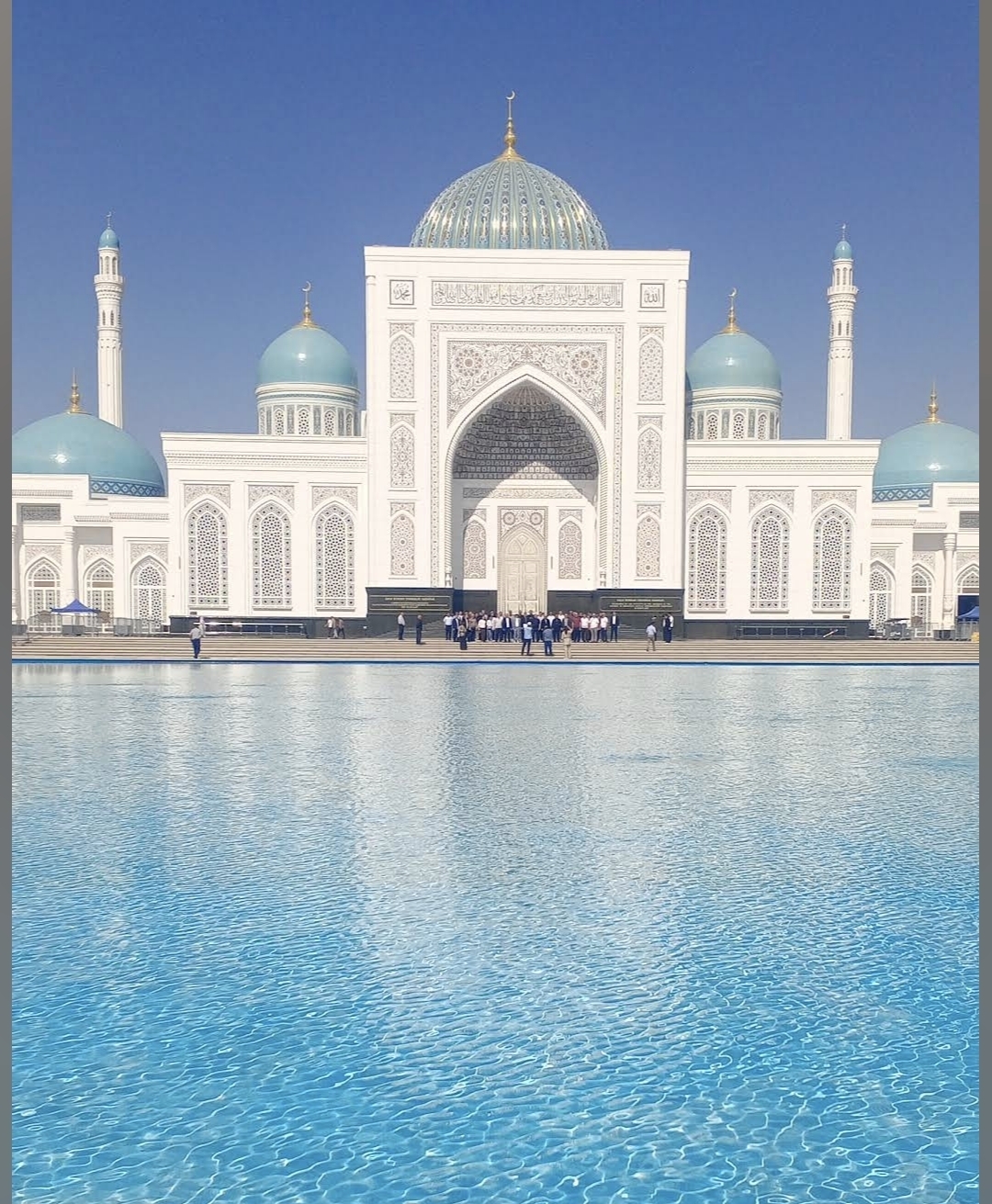
The Imam al-Bukhari Memorial Complex in Samarkand is one of the most sacred and revered Islamic pilgrimage sites in Central Asia and across the entire Muslim world.
Historical Background and Legacy
Located in the village of Hartang (about twenty-five kilometers from Samarkand), the complex marks the final resting place of Abu Abdullah Muhammad ibn Ismail al-Bukhari, the preeminent Islamic scholar and compiler of prophetic traditions.
Imam al-Bukhari is universally celebrated for compiling "Al-Jami al-Sahih" (Sahih al-Bukhari), which is recognized as the second most authentic and authoritative book in Islam after the Holy Qur'an.
Architecture and Modern Expansion
Spanning a vast landscaped area of approximately forty-five hectares following a comprehensive reconstruction project, the modern complex combines classical oriental architecture with state-of-the-art facilities.
At its heart stands the traditional mausoleum of the scholar beneath a majestic dome.
The site features a grand congregational mosque capable of holding ten thousand worshippers, flanked by four towering minarets and an expansive traditional pillared ayvan featuring one hundred and fifty-four carved columns.
An advanced, multi-pavilion innovative museum utilizing cutting-edge digital technologies showcases the scholar's life, his profound contributions to Islamic enlightenment, and the history of Hadith compilation.
Surrounding infrastructure includes comfortable hotels, service centers, and tranquil green gardens designed to welcome millions of international pilgrims and tourists annually.
The renewed complex serves as an international hub for spiritual education, research, and heritage tourism. thank you for your attention
City: Самарканд
 0:00
The Samarkand Railway Station
🎧
Listen Audio Guide
⏱ Working hours: -
💰 Ticket: -
📍 Address: https://maps.app.goo.gl/coxAKm8nMKN4BduL6?g_st=ac
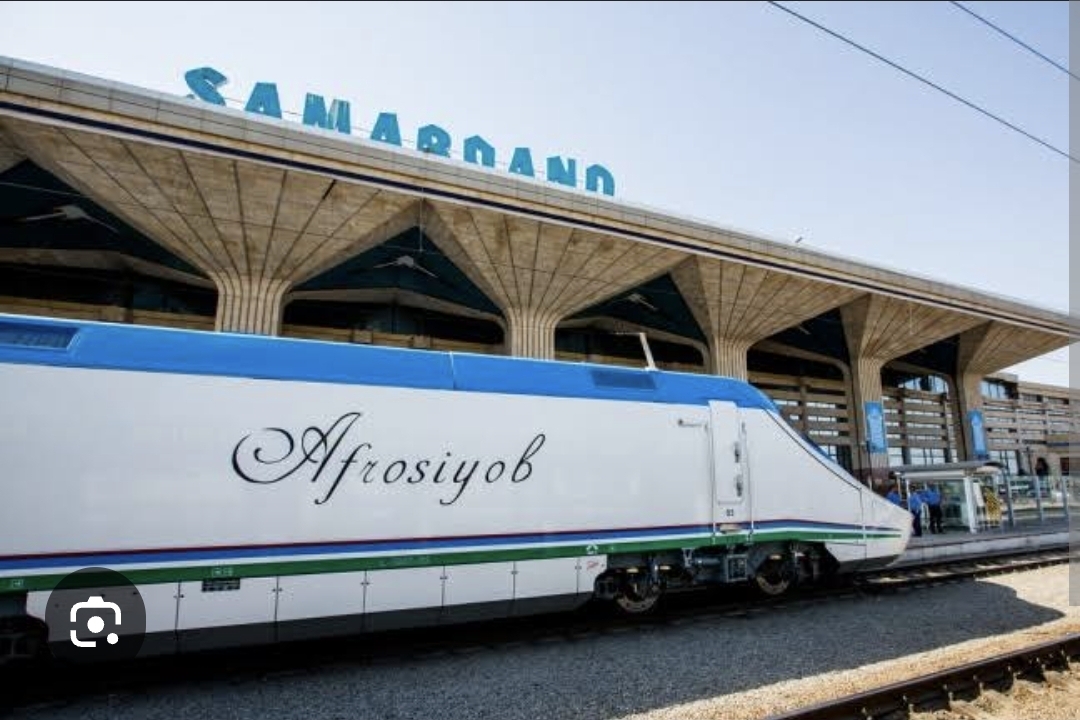
The Samarkand Railway Station is a major transport hub and one of the largest passenger terminals in Central Asia, located at 3 Abu Reyhan Beruni Street, in the north-western part of the city.
The station was originally established in one thousand eight hundred and eighty-eight during the construction of the Trans-Caspian Railway, marking the arrival of the first train into the city. Over the decades, the complex underwent several major reconstructions, acquiring its modern architectural appearance in the twentieth century and undergoing subsequent modernizations in two thousand and two thousand and ten.
The station serves vital domestic and international destinations. Key domestic routes include high-speed Afrosiyob electric trains connecting Samarkand with Tashkent, Bukhara, and Karshi, as well as regular long-distance trains running toward western and eastern regions of Uzbekistan (such as Khiva and Tashkent). It also handles international connections linking Samarkand with major foreign cities.
Passenger services include round-the-clock ticket offices, comfortable waiting halls, VIP lounges with traditional oriental design and modern amenities, information desks, luggage storage facilities, and accessible platforms equipped for high-speed travel.
thank you for your attention
City: Самарканд
 0:00
Samarkand International Airport
🎧
Listen Audio Guide
⏱ Working hours: -
💰 Ticket: -
📍 Address: https://maps.app.goo.gl/7HpVeswPaT6cP9TL8?g_st=ac
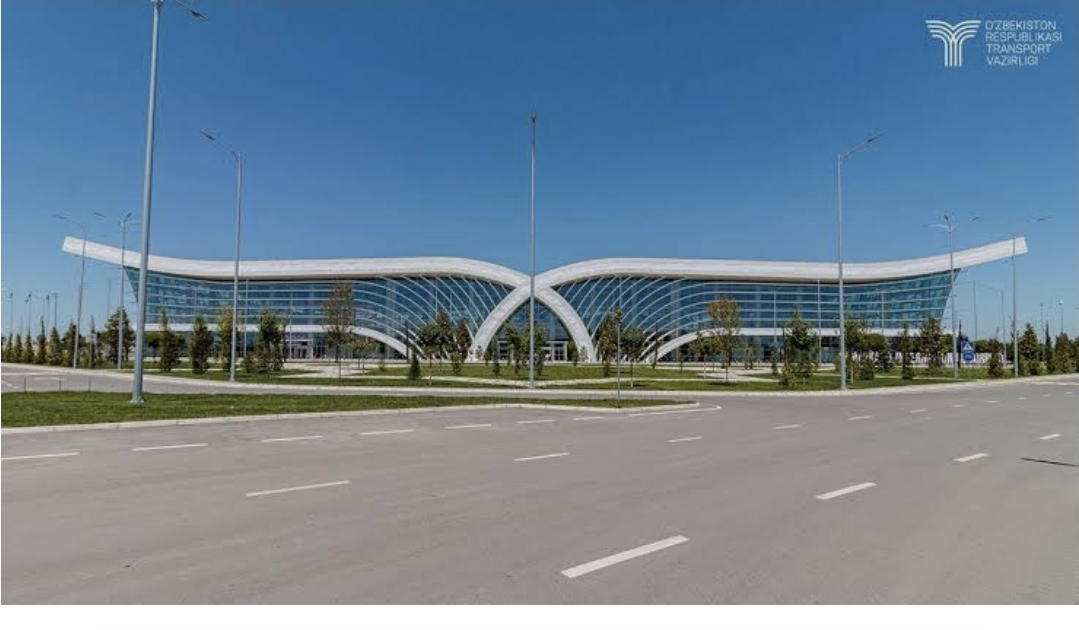
Samarkand International Airport with the IATA code SKD is the second most important and busiest aviation hub in Uzbekistan and serves as the modern air gateway to the ancient city. The airport is located on the northern outskirts of the city at one Ibn Sino Street, just eight kilometers from the historical center and Registan Square, which can be reached by taxi in about fifteen to twenty minutes. In March two thousand and twenty-two, an ultra-modern passenger terminal was opened here, architecturally designed in the shape of an open book, symbolizing the famous scientific work of the astronomer Mirzo Ulugh Beg. The handling capacity of the new terminal reaches one thousand passengers per hour, and a runway three thousand one hundred meters long allows it to accommodate all types of aircraft. The airport serves regular domestic flights to Tashkent as well as numerous international destinations to Russia, Turkey, the United Arab Emirates, and other countries. For passengers in the terminal, modern check-in counters, VIP and CIP lounges, a capsule hotel for transit travelers, free wireless internet, currency exchange points, ATMs, Duty Free shops, cafes, and luggage storage facilities operate around the clock,
City: Ташкент
 0:00
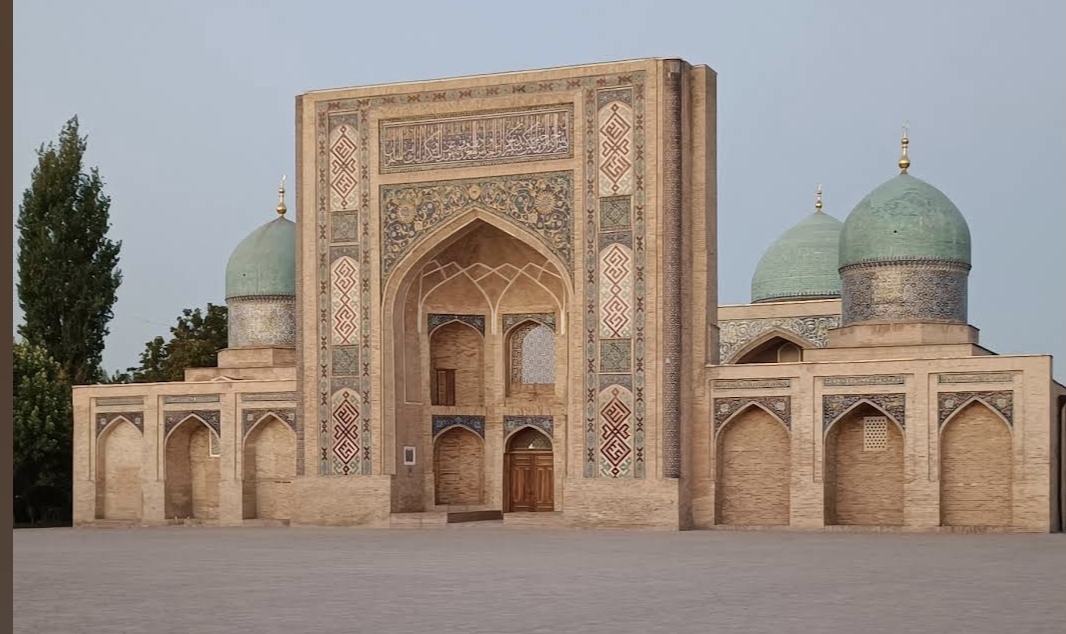
Barak-khan Madrasah
🎧
Listen Audio Guide
⏱ Working hours: 08.00-19.00
💰 Ticket: 30000 sums
📍 Address: https://maps.app.goo.gl/csYT4esvYdNaqPmT7?g_st=ac
Barak-khan Madrasah is located in Tashkent at the famous Hast-Imam square. The historical architectural monument was erected in the sixteenth century by order of the ruler Navruz Ahmadkhan. The building is decorated with exquisite mosaics and serves as an important center of spiritual heritage. Access to the ensemble's territory is free, while entering the museum exhibitions costs thirty thousand sums. thank you for your attention
City: Ташкент
 0:00
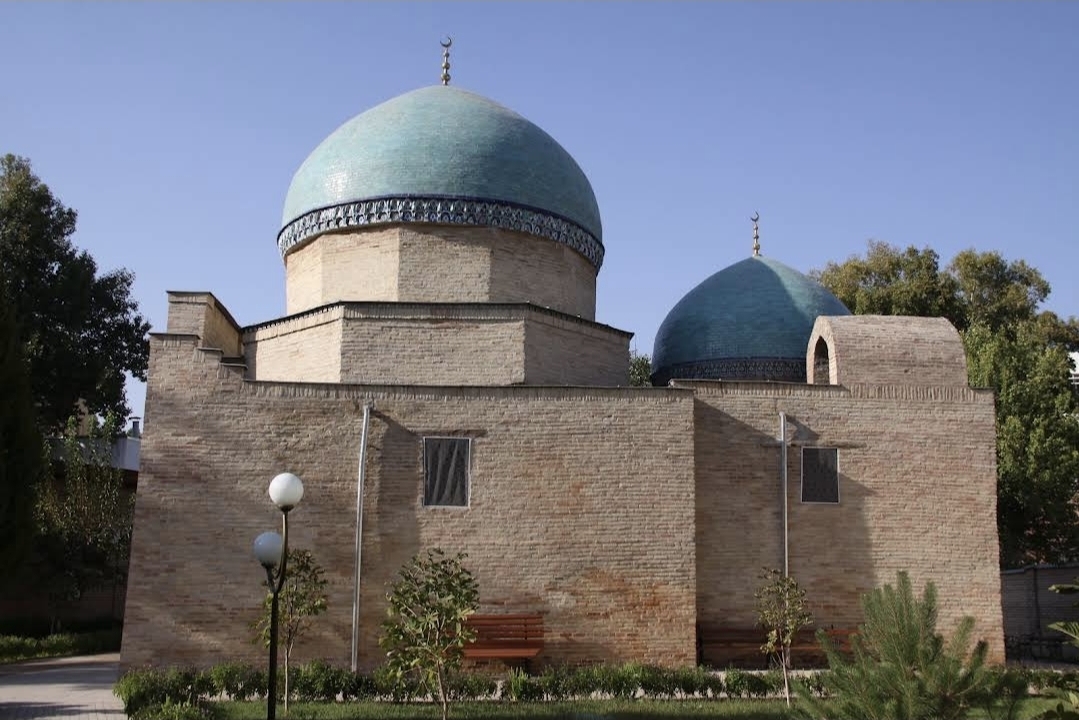
The mausoleum of Sheikh Havendi al-Takhur
🎧
Listen Audio Guide
⏱ Working hours: 08.00-19.00
💰 Ticket: 20000 sums
📍 Address: https://maps.app.goo.gl/ATcp7phbDfzGTLXr6?g_st=ac
The mausoleum of Sheikh Havendi al-Takhur is the core of the historical Sheikhantaur complex located in the center of Tashkent. The shrine was erected in the fourteenth century by order of the ruler Amir Timur over the grave of the revered Sufi who died in one thousand three hundred and fifty-five. A unique feature of the tomb is that the trunk of an ancient petrified saur tree is preserved inside near the gravestone. Access to the open territory of the complex is free, while entering the historical mausoleum costs twenty thousand sums. thank you for your attention
City: Ташкент
 0:00
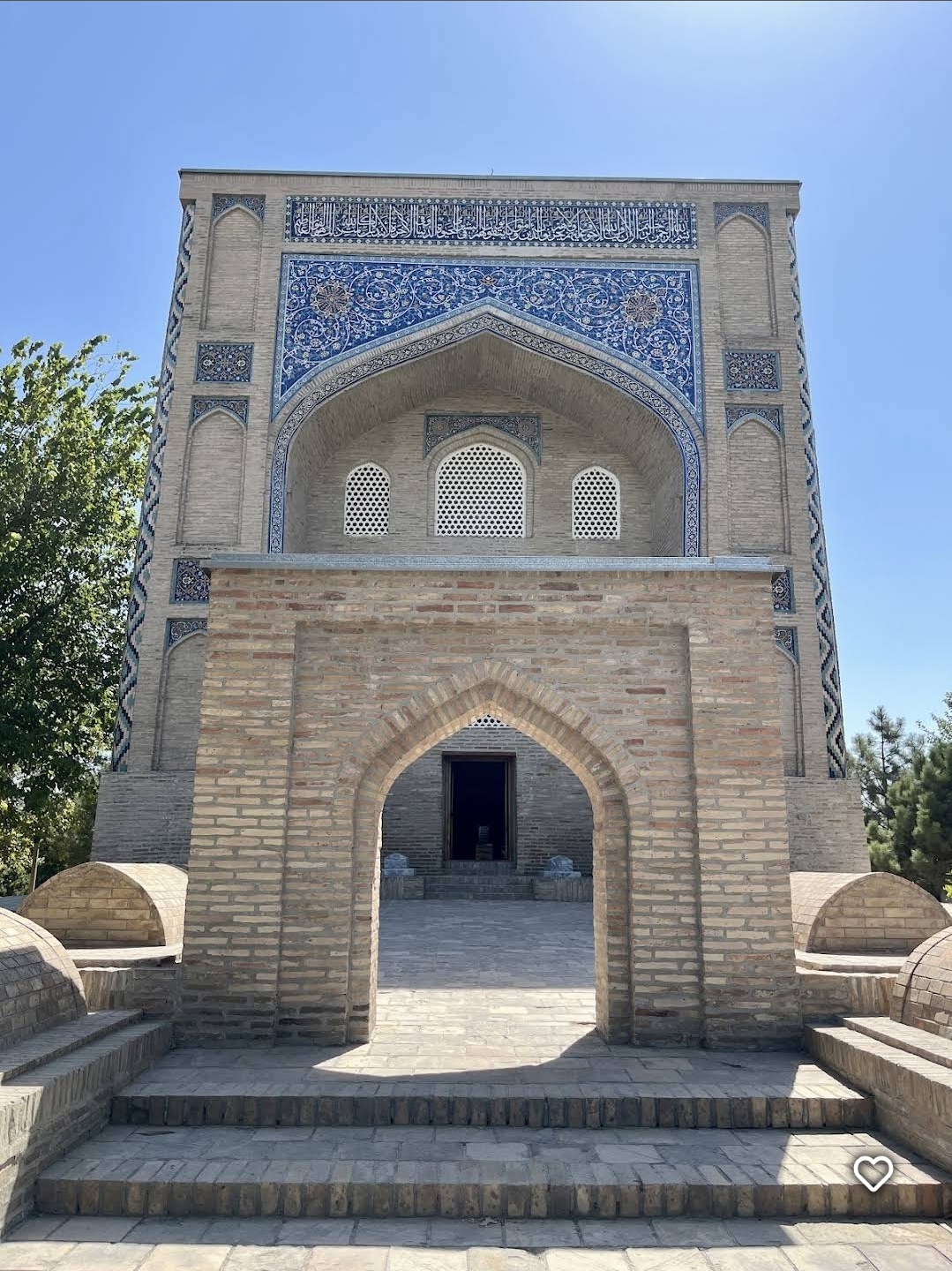
The Kaffal Shashi Mausoleum
🎧
Listen Audio Guide
⏱ Working hours: 08.00-19.00
💰 Ticket: 30000 sums
📍 Address: https://maps.app.goo.gl/odkRvjYsUz6fCeHw9
The Kaffal Shashi Mausoleum is located in Tashkent at the famous Hast-Imam square and serves as an important historical shrine. The architectural monument was erected in the sixteenth century over the grave of the prominent scholar, philosopher, and theologian Abu Bakr Muhammad ibn Ali al-Kaffal ash-Shashi. The building is an asymmetrical domed mausoleum-khanaqah that served as a shelter for pilgrims. Access to the open territory is free, while entering inside costs thirty thousand sums. thank you for your attention
City: Ташкент
 0:00
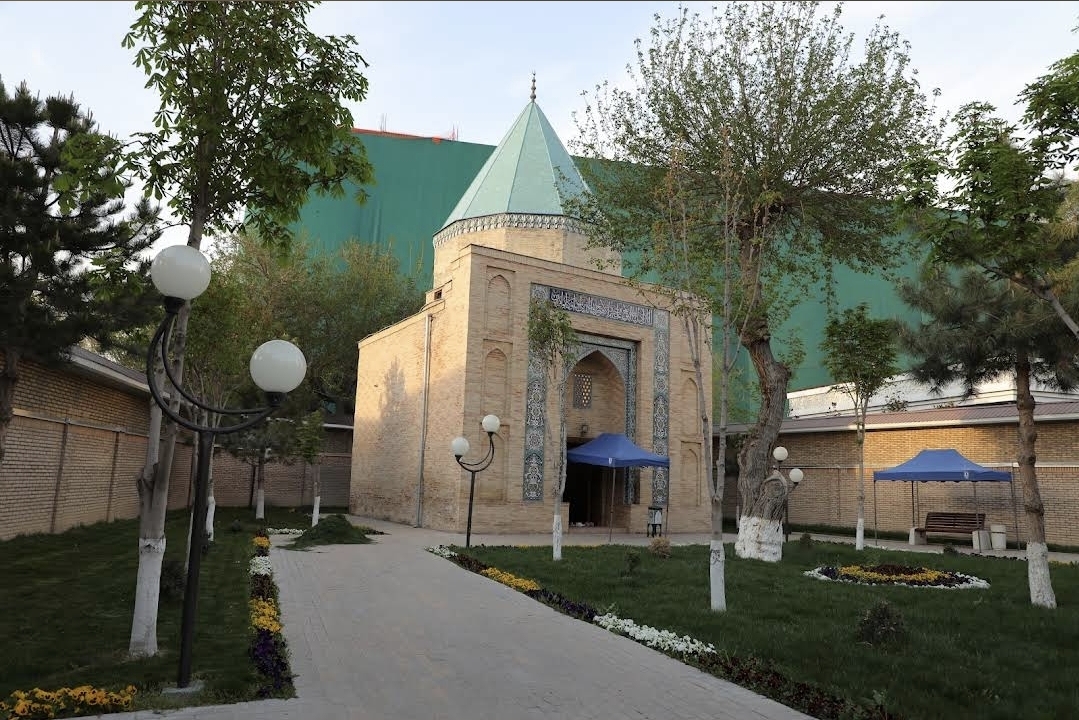
The Kaldirgach-biy mausoleum
🎧
Listen Audio Guide
⏱ Working hours: 08.00-19.00
💰 Ticket: 30,000 UZS
📍 Address: https://maps.app.goo.gl/vishio685VAtwQL67?g_st=ac
The Kaldirgach-biy Mausoleum is located in the historical center of Tashkent on the territory of the Hast-Imam complex. The architectural monument dates back to the first half of the fifteenth century and is unique as the city's only example of a centric single-chamber mausoleum with a rare multi-faceted double tented dome. The tomb holds the remains of the ruler of Moghulistan and historical figure Kaldirgach-biy. Access to the surrounding area is free, while entering the mausoleum costs twenty thousand sums. thank you for your attention
City: Ташкент
 0:00
The Abdulkasim Madrasah
🎧
Listen Audio Guide
⏱ Working hours: 08.00-19.00
💰 Ticket: 20000 UZS
📍 Address: https://maps.app.goo.gl/YcZiaL8jdpxqH5JcA?g_st=ac
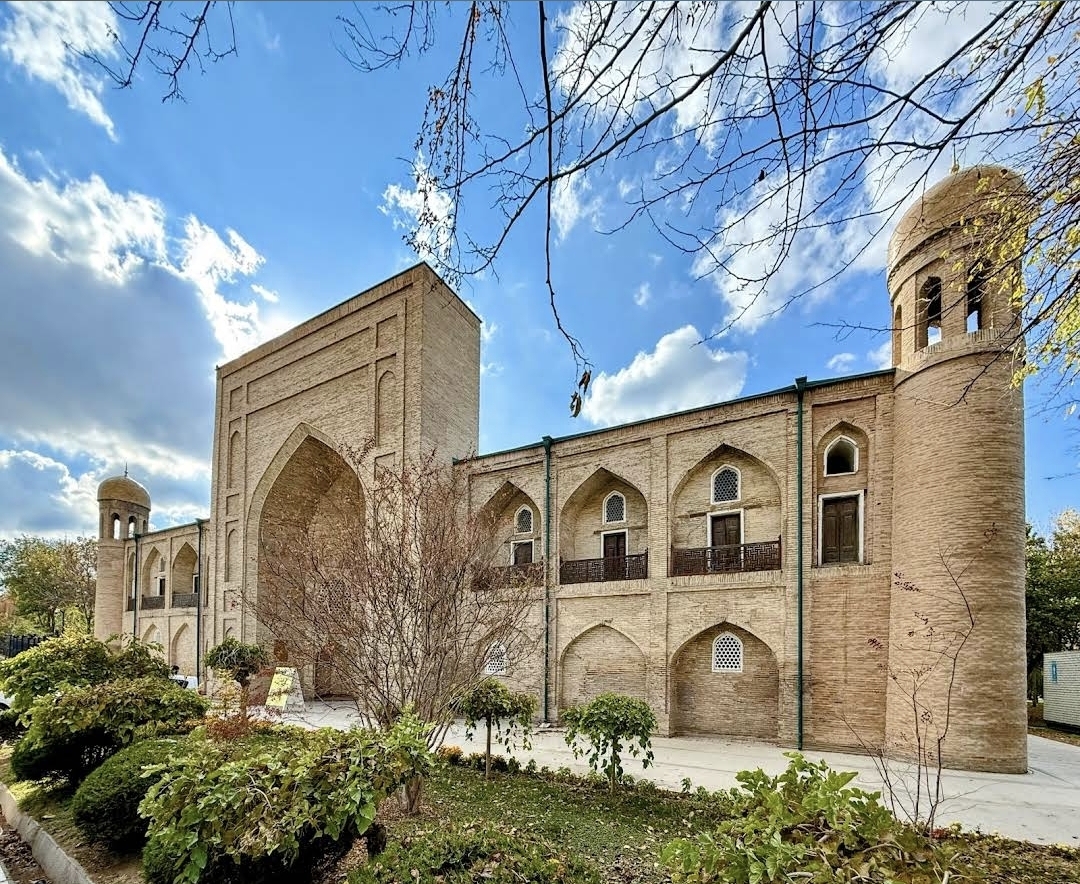
The Abdulkasim Madrasah is located in Tashkent and is a famous nineteenth-century monument. The historical complex long served as a major educational center where students studied and manuscripts were created, while in Soviet times it housed a craft production association. Today, the restored building houses folk arts and crafts workshops where artisans create traditional products. Access to the courtyard is free, while entering the exhibition areas costs twenty thousand sums. thank you for your attention
City: Ташкент
 0:00
The Kukeldash Madrasah
🎧
Listen Audio Guide
⏱ Working hours: 08.00-19.00
💰 Ticket: 20,000 USZ
📍 Address: https://maps.app.goo.gl/vTkAXGzG7aZzGMPq5?g_st=ac
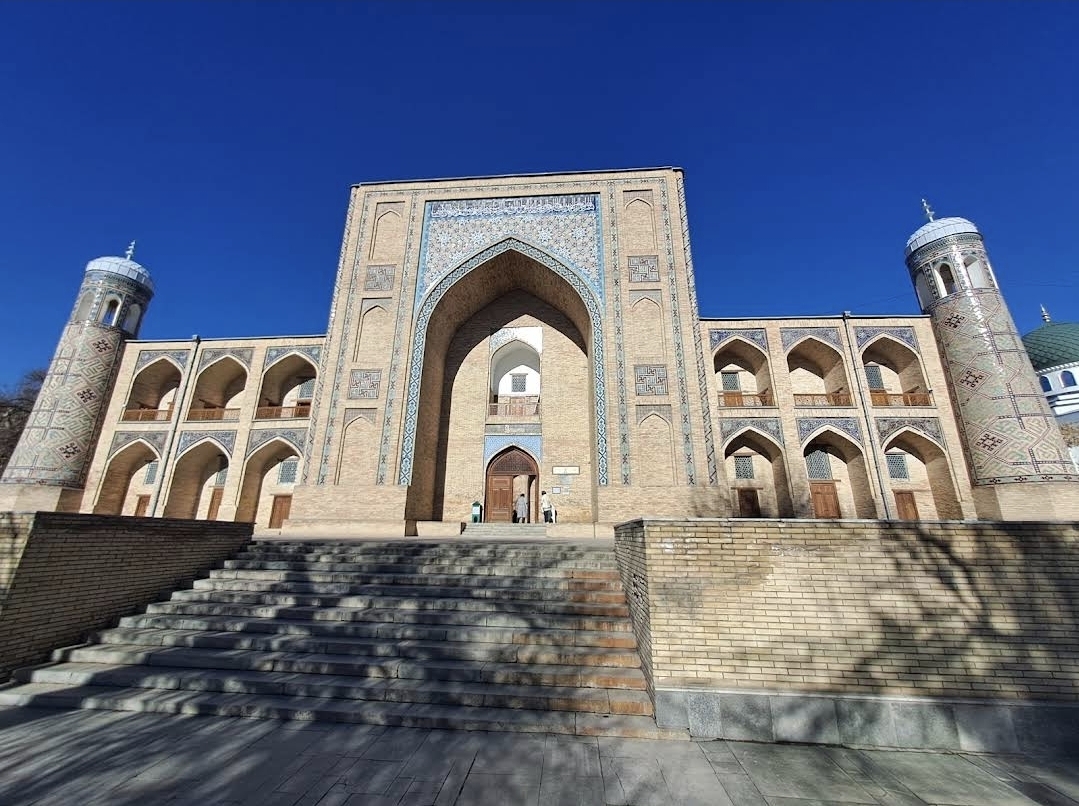
The Kukeldash Madrasah is one of the largest and most famous surviving sixteenth-century madrasas, located in the historical part of Tashkent near the Chorsu Bazaar. The large-scale brick building with a high portal and a traditional courtyard has survived various trials over the years, even serving as a caravanserai. Currently, the building functions as an active educational institution. Entering the courtyard area for tourists is paid and costs twenty thousand sums. thank you for your attention
City: Ташкент
 0:00
Mirzo Yusuf Mosque
🎧
Listen Audio Guide
⏱ Working hours: 08.00-19.00
💰 Ticket: -
📍 Address: https://maps.app.goo.gl/CKXa6MaPzfNPSywy6?g_st=ac
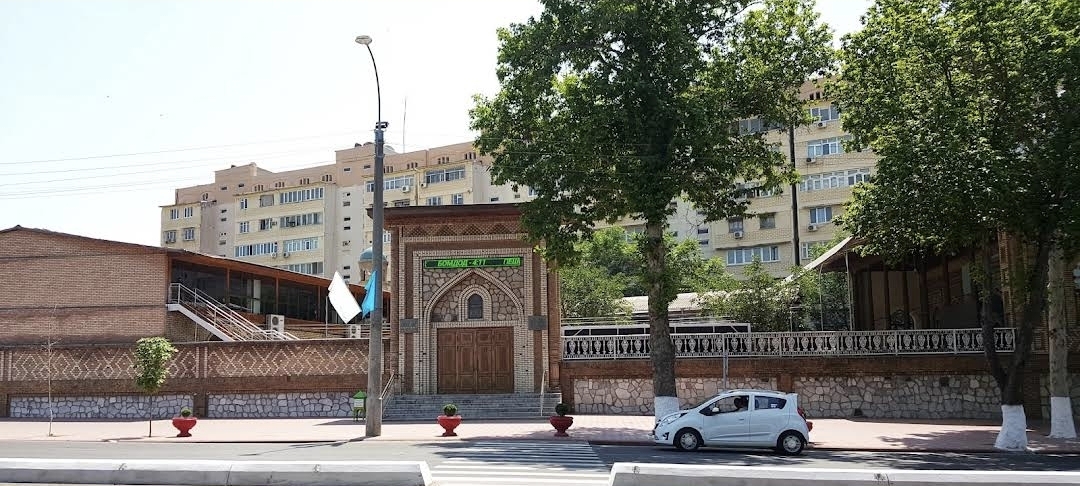
Mirzo Yusuf Mosque, also known as the Bodomzar Mosque, is located in the Yunusabad district of Tashkent and was built in the eighties of the nineteenth century. The active mosque attracts attention with traditional wood carving, marble inserts, and prayer rooms with red carpets. Visiting the territory is free, admission for tourists is free. thank you for your attention
City: Ташкент
 0:00
The Dzhami Friday Mosque
🎧
Listen Audio Guide
⏱ Working hours: 09.00-19.00
💰 Ticket: -
📍 Address: https://maps.app.goo.gl/LhqTsXzUuq1HVUP88?g_st=ac
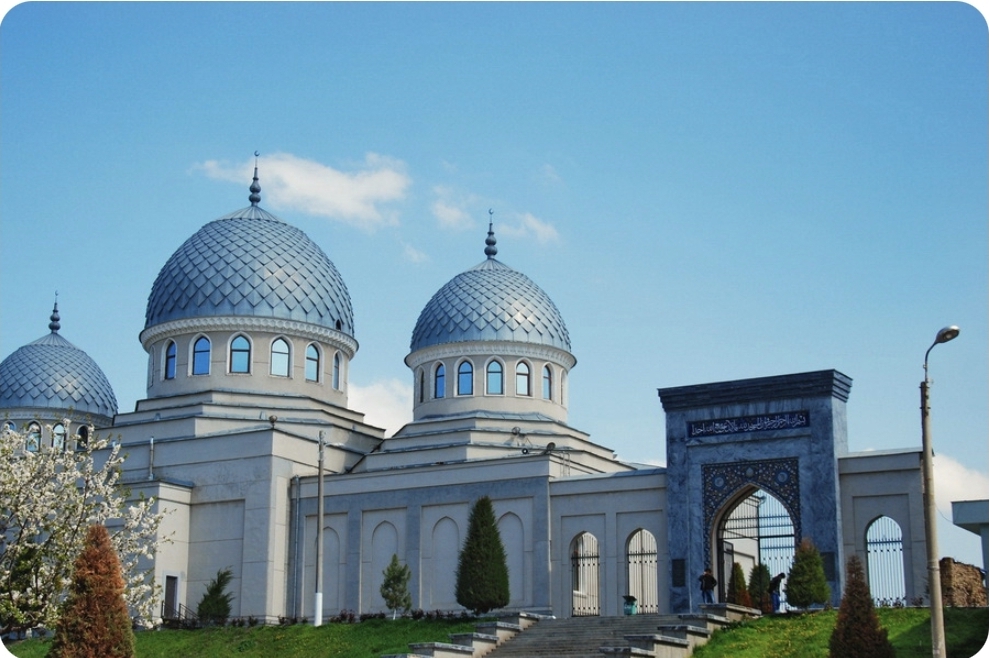
The Dzhami Friday Mosque, or Khodja Akhrar Vali Mosque, is located in the Old Town of Tashkent near the Chorsu Bazaar and was originally founded in the ninth century. The building was repeatedly rebuilt, and its modern appearance was largely formed after a large-scale nineteenth-century reconstruction. It is a classic example of a medieval courtyard-type Friday mosque. Visiting the open territory is free, admission is free. thank you for your attention
City: Ташкент
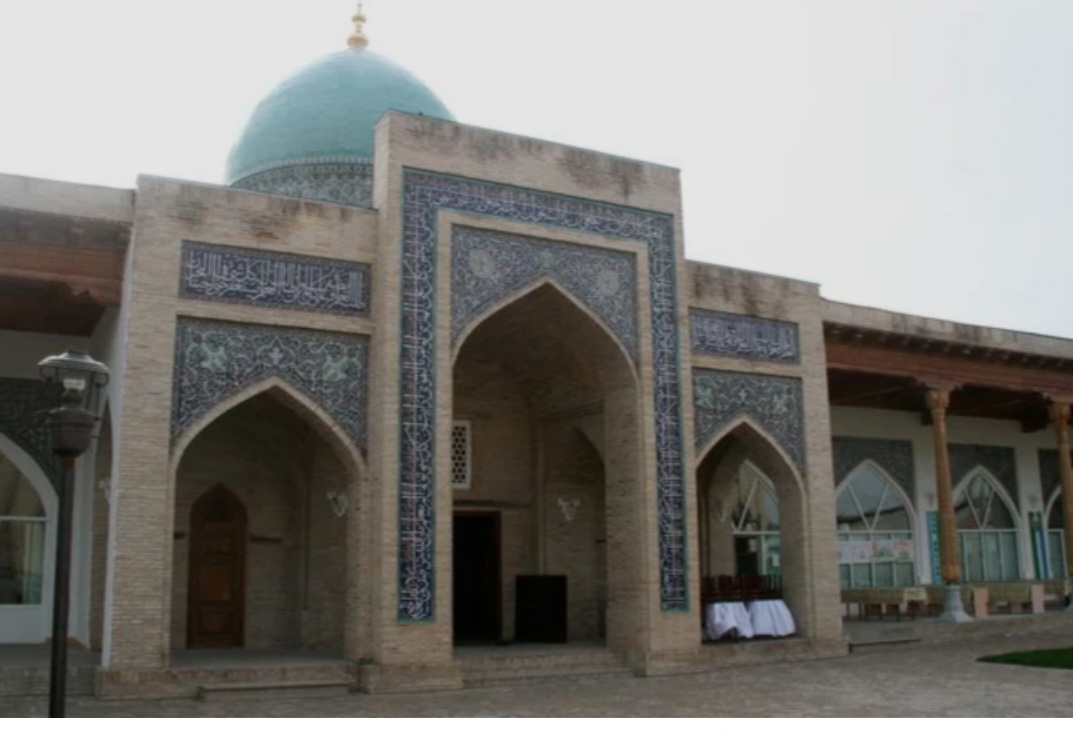 0:00
The Namazgoh festive mosque
🎧
Listen Audio Guide
⏱ Working hours: 09.00-19.00
💰 Ticket: -
📍 Address: https://maps.app.goo.gl/XzRphhL2n6R6RdR37?g_st=ac
The Namazgoh festive mosque is located in the historical center of Tashkent on Hast-Imam square, in close proximity to the Tashkent Islamic Institute. The architectural complex includes elongated domed galleries made of fired brick and a traditional wooden ayvan. Mass prayers are held here during major religious holidays. Exploring the territory is free, admission is free. thank you for your attention
City: Ташкент
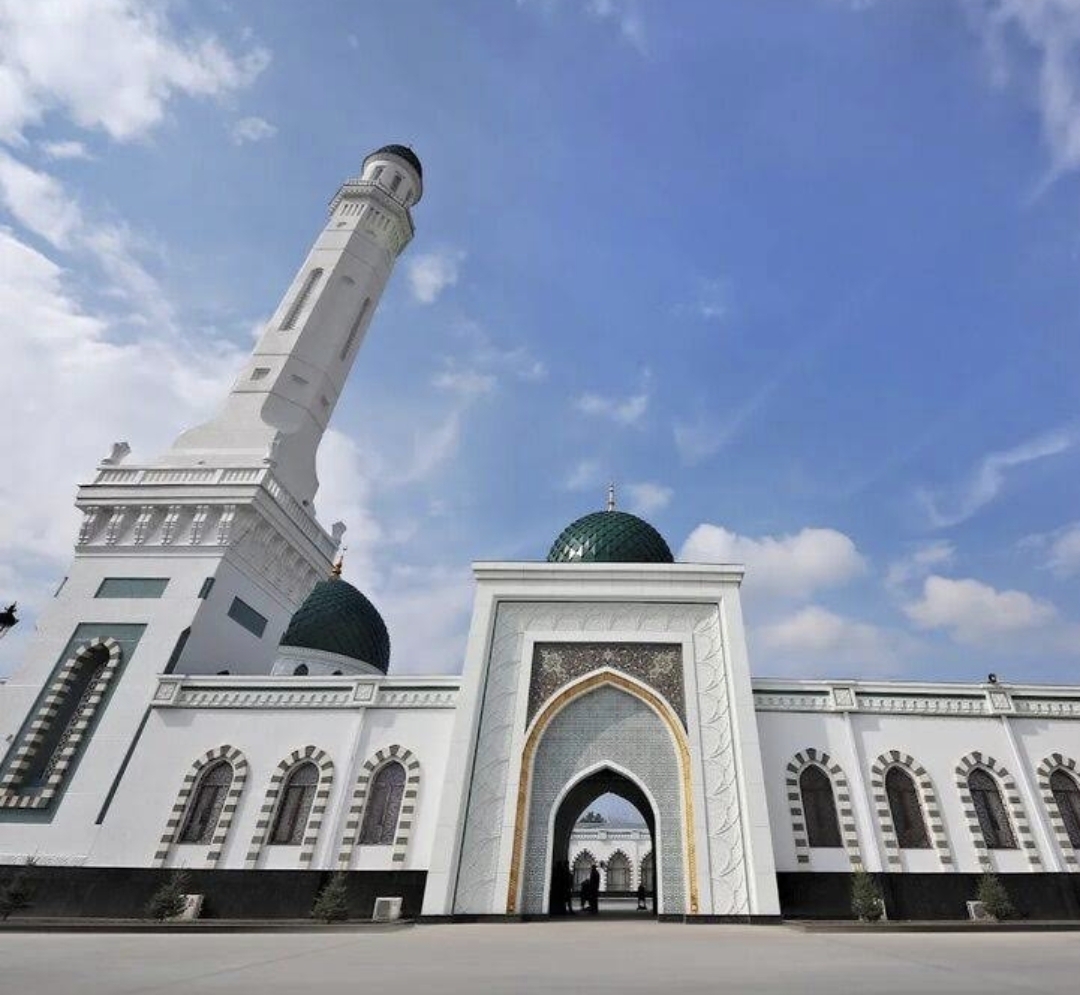 0:00
Sheikh Zaynuddin Mosque
🎧
Listen Audio Guide
⏱ Working hours: 08.00-19.00
💰 Ticket: -
📍 Address: https://maps.app.goo.gl/7KBoeCJz4Jub3xY97?g_st=ac
Sheikh Zaynuddin Mosque, also known as the Koynar Mosque, is located in the Almazar district of Tashkent next to the ancient architectural complex of the same name. The spacious active religious building serves as an important spiritual center for local residents and pilgrims. The building harmoniously combines features of traditional Islamic architecture and modern architectural solutions. Visiting the territory is free, admission for everyone is free. thank you for your attention
City: Ташкент
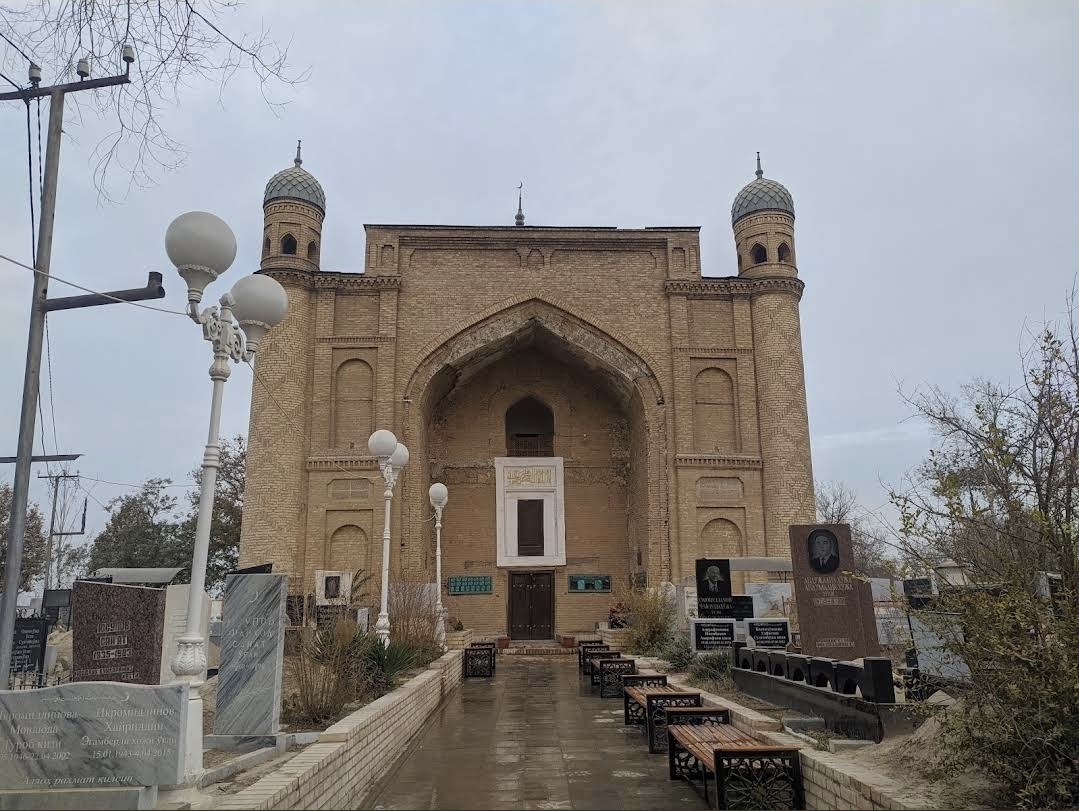 0:00
The Sheikh Zainuddin-bobo mausoleum
🎧
Listen Audio Guide
⏱ Working hours: 08.00-19.00
💰 Ticket: 20,000 UZS
📍 Address: https://maps.app.goo.gl/sRxdhF2TQEN3K9Yt8?g_st=ac
The Sheikh Zainuddin-bobo Mausoleum is located in the Almazar district of Tashkent and is a monumental structure of the fourteenth century. The tomb was erected over the grave of the famous Sufi Sheikh Zainuddin Bobo, who was the son of the founder of the Suhrawardiyya Sufi order. The mausoleum is designed in the traditional style of medieval domed buildings with massive walls and a spacious hall. Visiting the surrounding area is free, entering the mausoleum costs twenty thousand sums. thank you for your attention
City: Ташкент
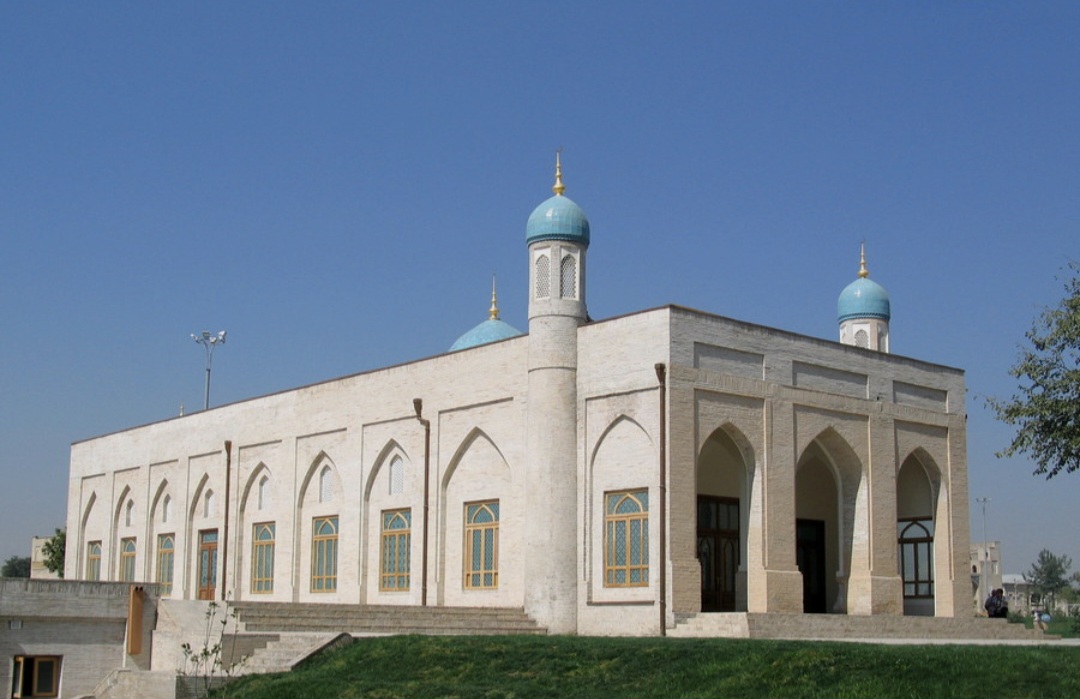 0:00
The Tillya-Sheykh Mosque
🎧
Listen Audio Guide
⏱ Working hours: 08.00-19.00
💰 Ticket: 30,000 UZS
📍 Address: https://maps.app.goo.gl/t6dUx7iUtqTL4zmk6
The Tillya-Sheykh Mosque is located on the famous Hast-Imam square in Tashkent and serves as an active Friday mosque. The historical building was built in the nineteenth century with the support of the Kokand rulers and long served as the main religious center of the city. Visiting the surrounding area is free, admission to the museum section with the relic costs thirty thousand sums. thank you for your attention to exit press the button
City: Ташкент
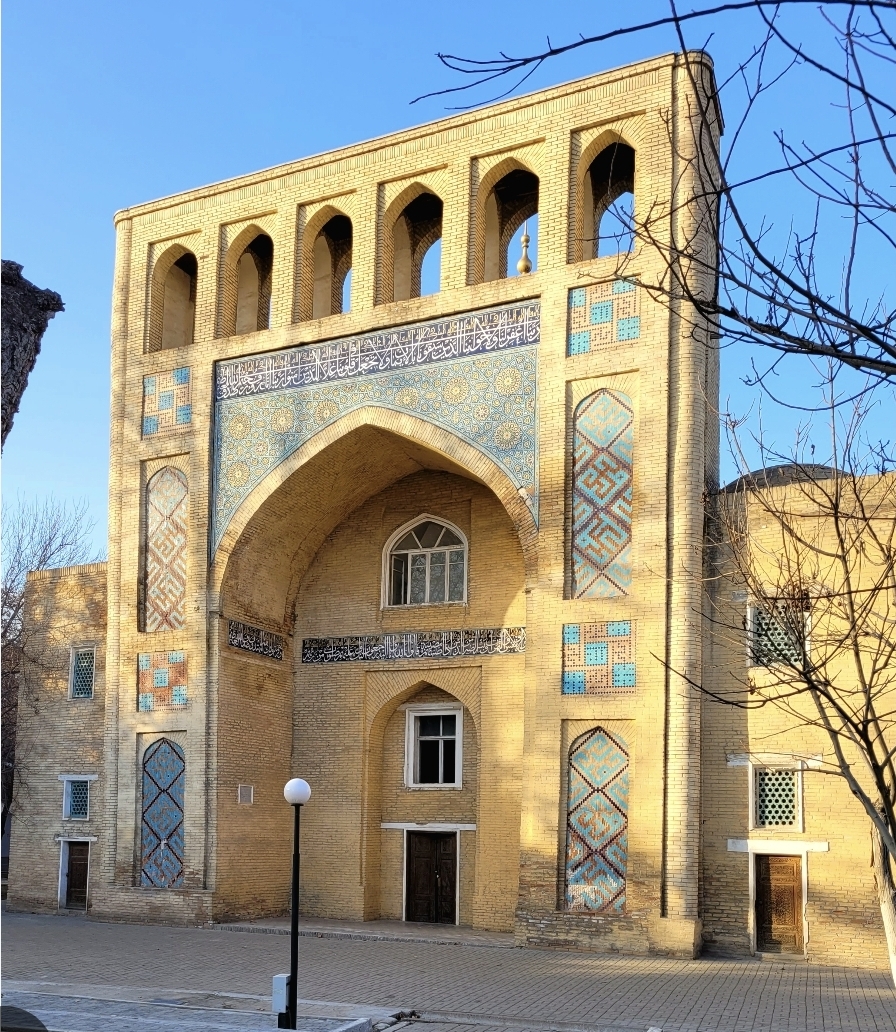 0:00
The Yunus Khan Mausoleum
🎧
Listen Audio Guide
⏱ Working hours: 08.00-19.00
💰 Ticket: 30,000 UZS
📍 Address: https://maps.app.goo.gl/GsMdQMohw2rSRtKt6?g_st=ac
The Yunus Khan Mausoleum is located in the historical center of Tashkent on the territory of Hast-Imam square and dates back to the late fifteenth century. The tomb was erected by order of the sons of the ruler of Moghulistan, Yunus Khan, who was a descendant of Genghis Khan and a prominent statesman of the Timurid era. The building has a classic cross-domed shape with a portal and decorative tiles. Exploring the territory is free, while entering the mausoleum costs twenty thousand sums. thank you for your attention
City: Ташкент
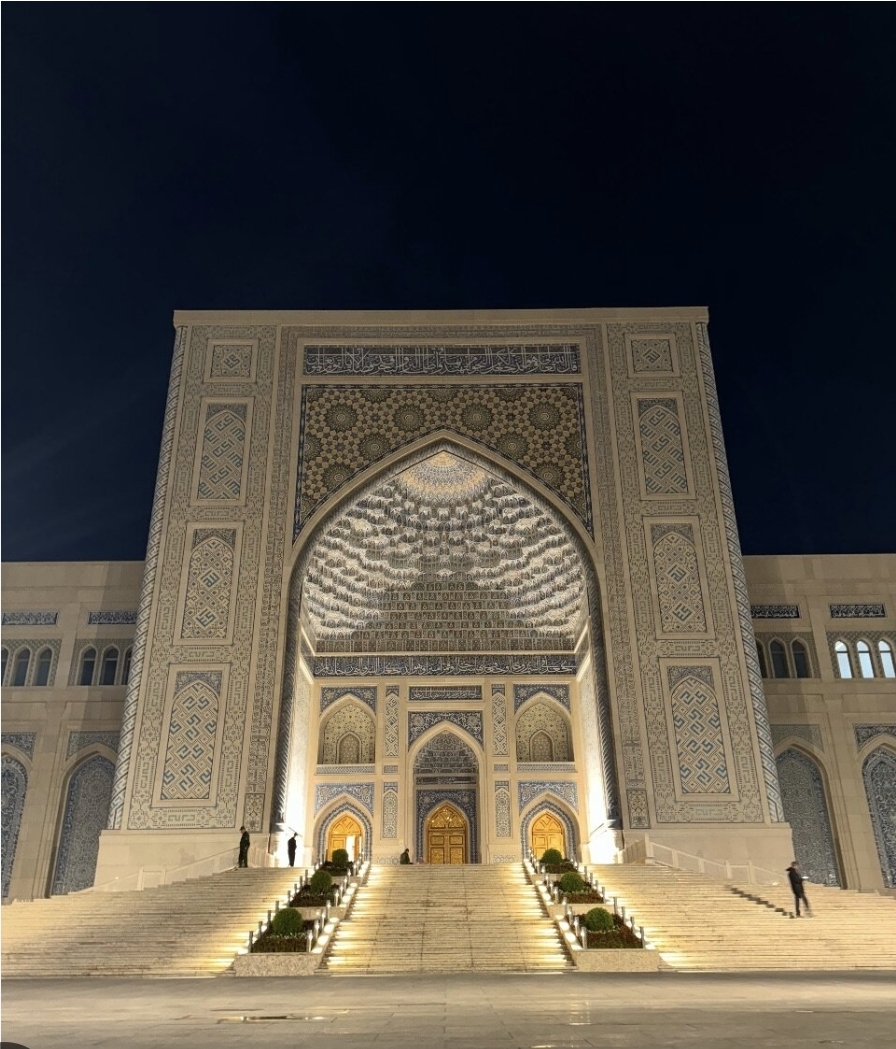 0:00
The Muyi Muborak Madrasah
🎧
Listen Audio Guide
⏱ Working hours: 09.00-19.00
💰 Ticket: 30,000 UZS
📍 Address: https://maps.app.goo.gl/xo5wVfLgdC68va8N6?g_st=ac
The Muyi Muborak Madrasah, located on the famous Hast-Imam square in Tashkent, was built in the nineteenth century (in one thousand eight hundred and fifty-six to fifty-seven) by order of the ruler Mirza Ahmad Qushbegi. The name of the monument translates from Persian and Arabic as the "sacred hair", because according to tradition, an Islamic relic—a hair of the Prophet Muhammad—was kept here. Previously, the authentic seventh-century Quran of Caliph Uthman (six hundred and forty-four to six hundred and forty-eight), recognized by UNESCO as the oldest Quran manuscript in the world, was kept in this building for a long time (now a special modern storage facility has been created for the relic nearby). Visiting the ensemble's territory is free, while admission to the museum exhibition with unique manuscripts costs thirty thousand sums. thank you for your attention
City: Ташкент
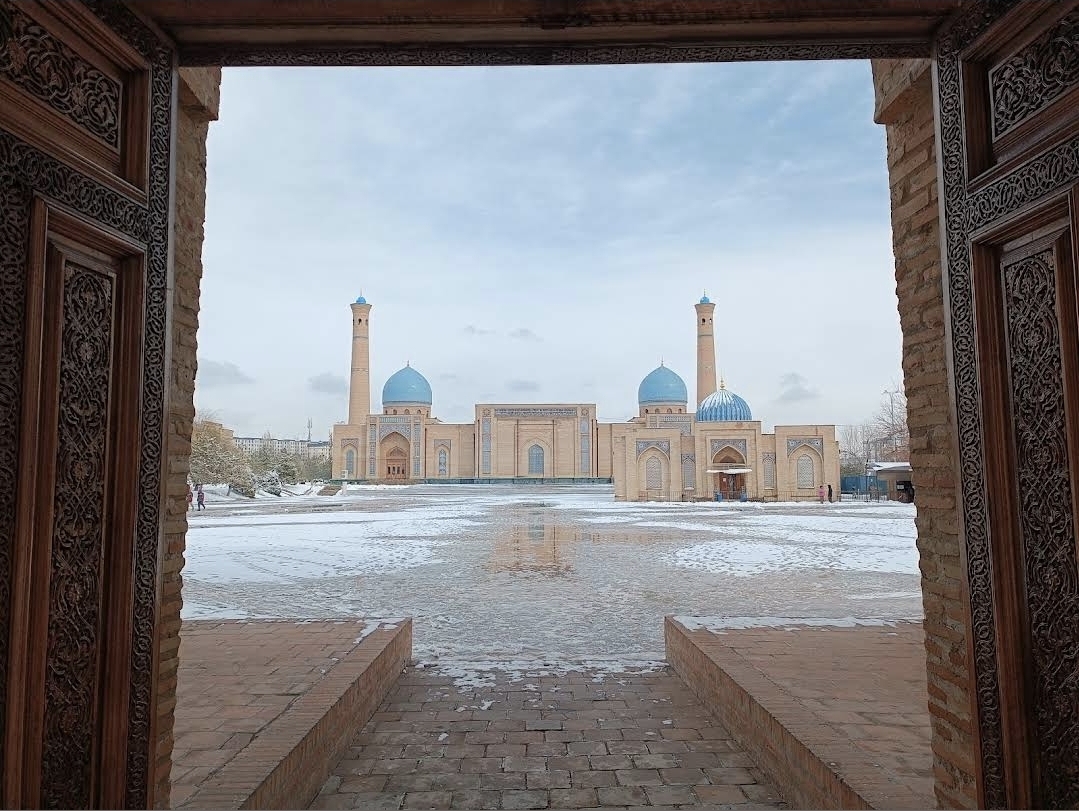 0:00
The Hazrat Imam historical and religious complex
🎧
Listen Audio Guide
⏱ Working hours: 09.00-19.00
💰 Ticket: -
📍 Address: https://maps.app.goo.gl/pj3FRLyjd3hAmpbo9?g_st=ac
The Hazrat Imam historical and religious complex is located in the old part of Tashkent and serves as the city's main spiritual center. The architectural ensemble formed around the tomb of the prominent tenth-century scholar, hadith master, and poet Abu Bakr Muhammad Kaffal ash-Shashi. Today, the complex houses unique monuments, ancient madrasas, mosques, and museum buildings. Walking around the open territory of the square is free of charge, while admission to the museum facilities is paid separately.
City: Ташкент
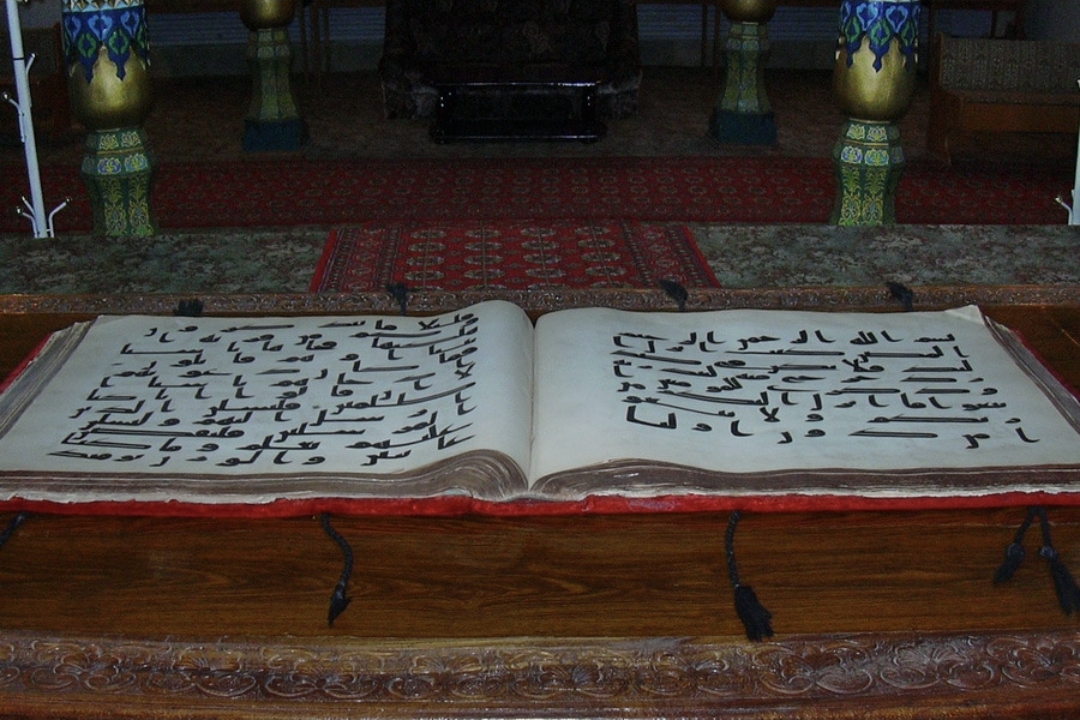 0:00
Quran of Caliph Uthman
🎧
Listen Audio Guide
⏱ Working hours: 09.00-19.00
💰 Ticket: -
📍 Address: https://maps.app.goo.gl/Y42dXLeBYA67C6vr7?g_st=ac
The authentic seventh-century Quran of Caliph Uthman (six hundred and forty-four to six hundred and forty-eight) is recognized by UNESCO as the oldest Quran manuscript in the world. The parchment manuscript contains a significant portion of the holy book's text and is considered a supreme Islamic relic. For a long time, this unique primary source was kept in the Muyi Muborak Madrasah, and currently, a special modern high-tech storage facility has been created for it within the Hast-Imam complex in Tashkent. The admission fee to visit the exhibition featuring this rare artifact is thirty thousand sums. thank you for your attention
City: Ташкент
 0:00
The Center for Islamic Civilization
🎧
Listen Audio Guide
⏱ Working hours: 09.00-22.00
💰 Ticket: 30,000-250000 UZS
📍 Address: https://maps.app.goo.gl/vpHxz3GipXVDci5v7?g_st=ac
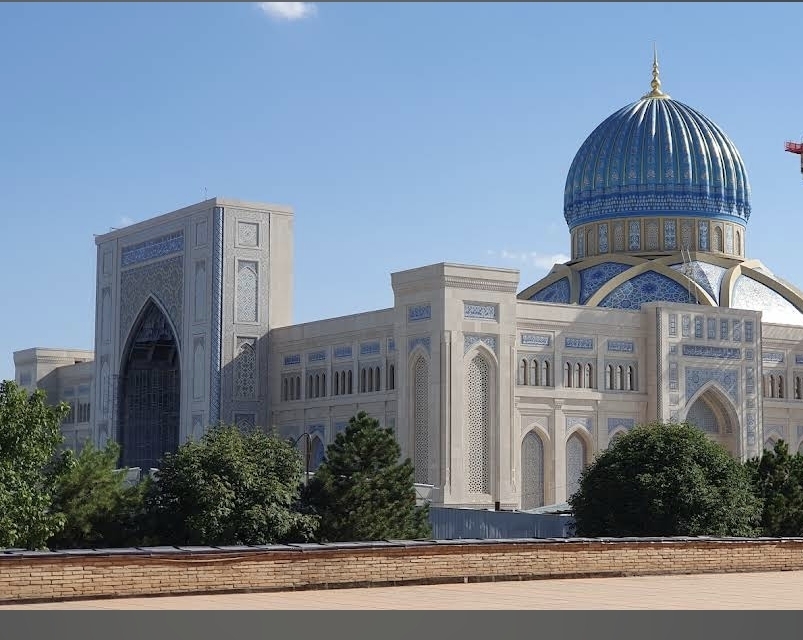
The Center for Islamic Civilization in Uzbekistan is a grand cultural, educational, and scientific complex inaugurated in March two thousand and twenty-six in Tashkent. Located in the historical part of the city at eighty-nine A Karasaray Street, next to the Hazrat Imam complex, the large-scale building spans forty-two thousand square meters with a majestic sixty-five-meter-high dome. The center's mission is dedicated to comprehensively studying and preserving the region's rich historical and spiritual heritage from ancient times to the modern era. Its structure includes a modern museum featuring thousands of valuable exhibits, an extensive library, a rare manuscript fund, scientific laboratories, and a special Quran hall featuring a dynamic lighting installation. The admission ticket price for visitors starts from two hundred fifty thousand sums. thank you for your attention to exit press the button
City: Ташкент
 0:00
Tashkent Central Railway Station
🎧
Listen Audio Guide
⏱ Working hours: -
💰 Ticket: -
📍 Address: https://maps.app.goo.gl/TjtE6y2QdZysAa9M8?g_st=ac
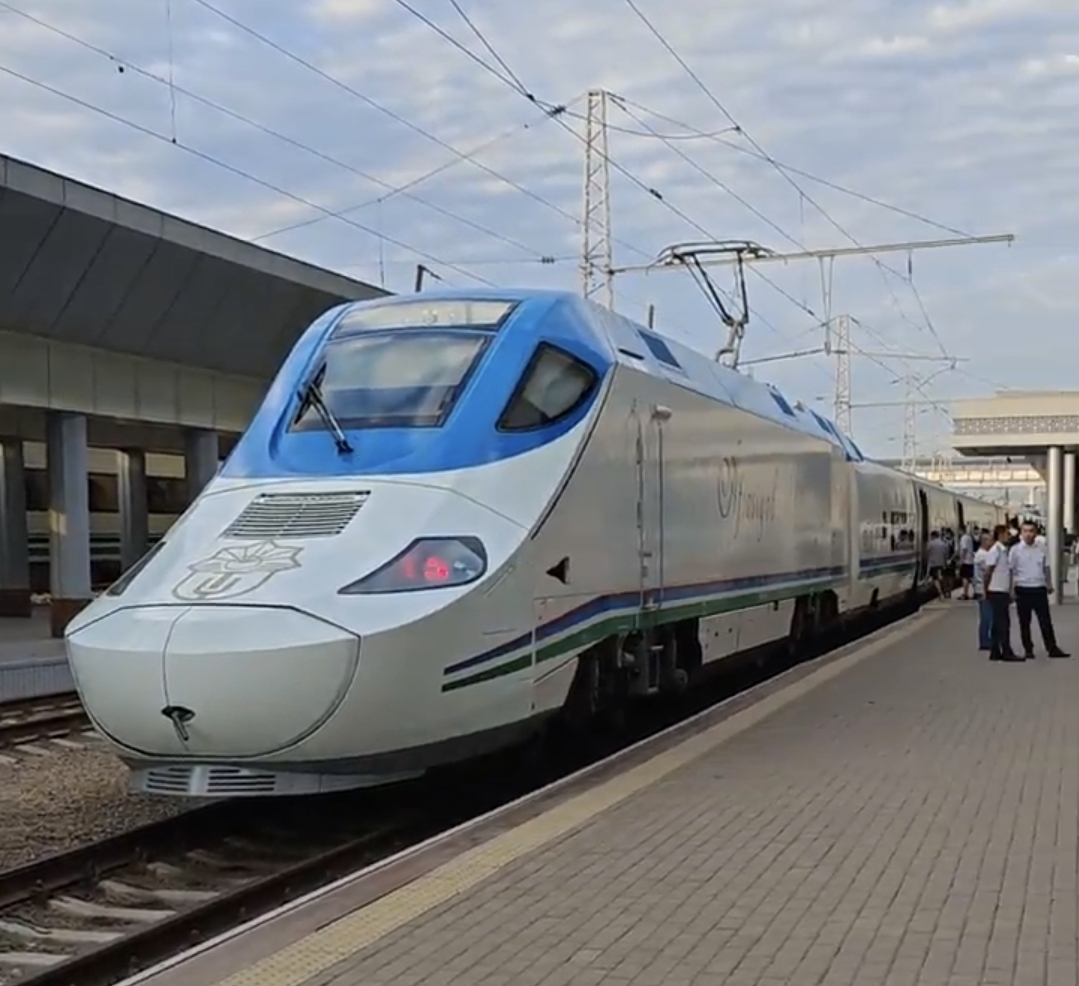
Tashkent Central Railway Station (Tashkent-Passenger, or North Station) is the main and largest transport hub of the capital of Uzbekistan, located at six Turkiston Street. The station was established in one thousand eight hundred and eighty-eight during the construction of specialized railway lines, and the modern building was erected in the mid-twentieth century and fully reconstructed in two thousand and one. The station serves key domestic and international routes, including high-speed "Afrosiyob" electric trains to Samarkand, Bukhara, and Karshi, as well as various long-distance services. Ticket prices vary depending on the destination and carriage class (for example, a high-speed train ticket to Samarkand starts from one hundred thousand sums). Modern ticket offices, enhanced-comfort waiting halls, luggage storage facilities, a medical center, dining options, and an inquiry service operate around the clock for passengers.
Tashkent South Railway Station (Tashkent-Yuzhniy, or Toshkent Janubiy) is a modern high-tech passenger terminal in the capital, located in the southern part of the city. The station was thoroughly reconstructed in two thousand and eighteen and is designed to handle up to twenty thousand passengers daily. The South Station specializes in serving long-distance and overnight trains heading toward the southern and western regions of the country, including Termez, Khiva, and Kungrad. The terminal's infrastructure includes spacious waiting halls, ticket counters, a climate control system, high-speed Wi-Fi, and comfortable VIP lounges. Ticket prices depend on the destination and carriage class, while round-the-clock security and assistance services are available for all travelers.
thank you for your attention
City: Ташкент
 0:00
Islam Karimov Tashkent International Airport
🎧
Listen Audio Guide
⏱ Working hours: -
💰 Ticket: -
📍 Address: https://maps.app.goo.gl/BEvcovq5DTSgmA1A7?g_st=ac
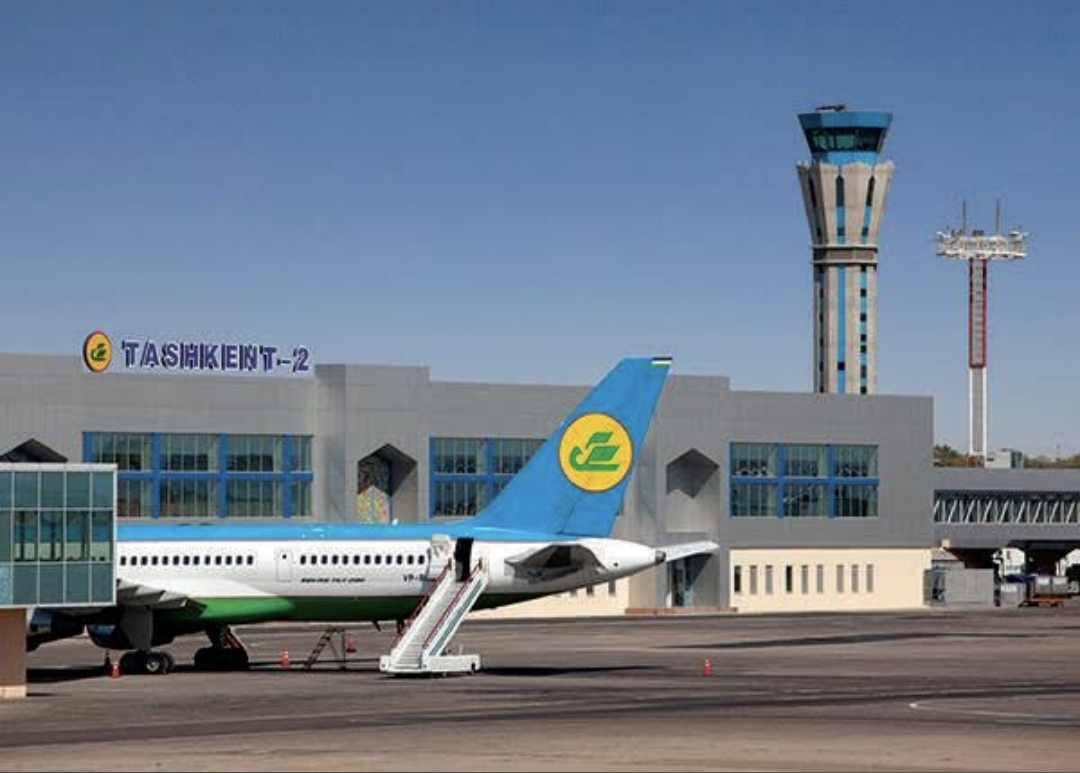
Islam Karimov Tashkent International Airport (IATA code: TAS) is the primary aviation hub of Uzbekistan and the largest international airport in Central Asia. The airport is located just five to seven kilometers south of the capital's center, which can be reached by taxi or bus in about twenty minutes.
The airport features two main passenger terminals: the modernized Terminal Two for international flights and Terminal Three, which handles domestic routes. The facility includes two long runways capable of accommodating all types of aircraft without restrictions. The base carrier is Uzbekistan Airways, connecting the capital with numerous global destinations.
The terminal infrastructure includes round-the-clock check-in counters, VIP and CIP lounges, Duty Free shops, dining options, currency exchange points, ATMs, and free Wi-Fi. For inquiries and flight details, passengers can contact the support service at plus nine nine eight seven eight one four zero zero two zero zero. thank you for your attention
City: Ташкент
 0:00
The State Museum of Arts of Uzbekistan
🎧
Listen Audio Guide
⏱ Working hours: 10.00-17.00
💰 Ticket: 40.000 UZS
📍 Address: https://maps.app.goo.gl/8EQc15Js2552seZs5?g_st=ac
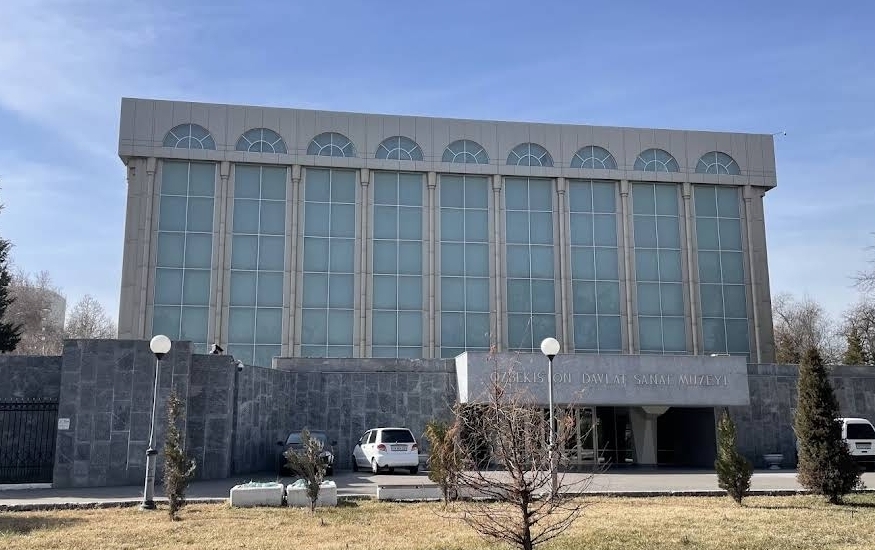
The State Museum of Arts of Uzbekistan, located in Tashkent at sixteen Movarounnakhr Street, is one of the largest and oldest art museums in Central Asia. The museum was established in nineteen eighteen, and its modern cubic building with aluminum panel facades was erected in nineteen seventy-four. Its funds house thousands of valuable exhibits, including masterpieces of Uzbek fine art, collections of Russian and Western European art from the fifteenth to the twentieth centuries, and unique traditional crafts. Currently, the building is temporarily closed for major renovations; however, the cultural significance of the site is highlighted by its inclusion in the UNESCO World Heritage List in twenty twenty-six as part of Tashkent modernist architectural monuments. The admission ticket price for visitors starts from forty thousand sums.
City: Ташкент
 0:00
The State Museum of the History of Uzbekistan,
🎧
Listen Audio Guide
⏱ Working hours: 10.00-17.00 weekend Sunday
💰 Ticket: 40.000 UZS
📍 Address: https://maps.app.goo.gl/Q6ihZKHFLiBu2FhM7?g_st=ac
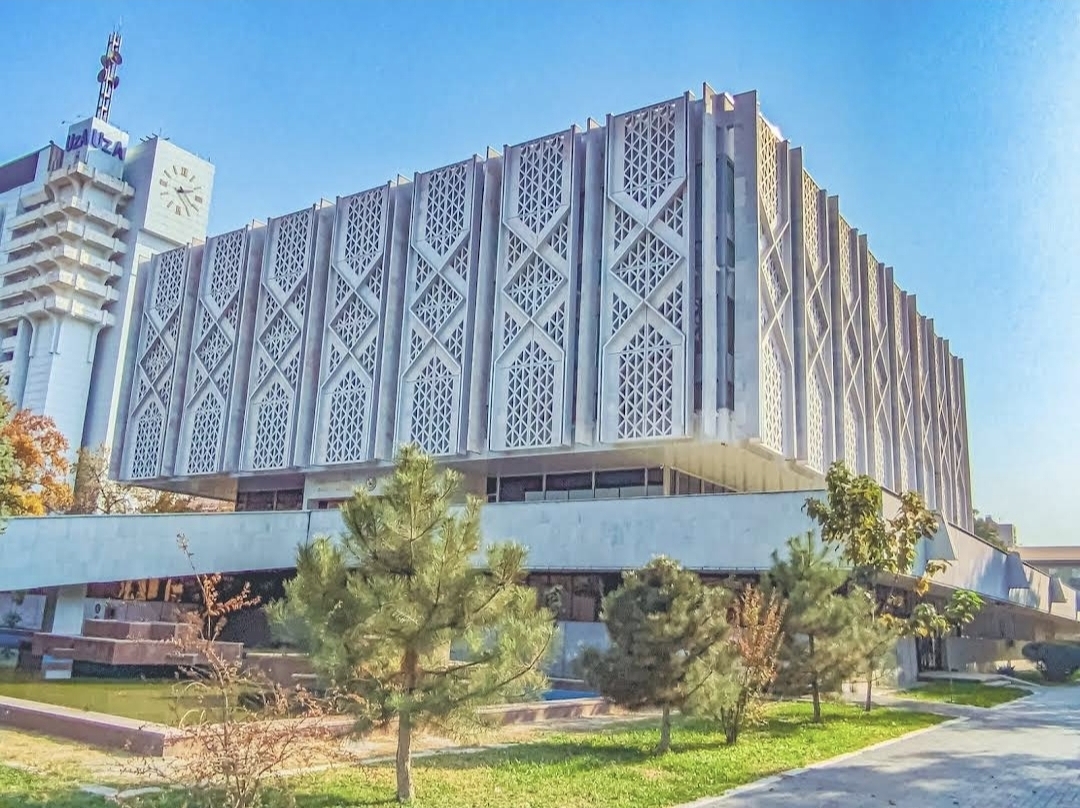
The State Museum of the History of Uzbekistan, located in Tashkent at three Sharaf Rashidov Avenue, is one of the oldest and largest research and educational institutions and museums in Central Asia. The museum was established in eighteen seventy-six, and its unique Soviet modernist building—a massive cube featuring an openwork concrete lattice façade—was erected in nineteen seventy. In twenty twenty-six, this prominent architectural landmark was inscribed on the UNESCO World Heritage List as part of Tashkent modernist monuments.
City: Ташкент
 0:00
The State Museum of Nature of Uzbekistan,
🎧
Listen Audio Guide
⏱ Working hours: 10,00-17.00
💰 Ticket: 20.000 UZS
📍 Address: https://maps.app.goo.gl/85jfCQBcDFUdvuaRA?g_st=ac
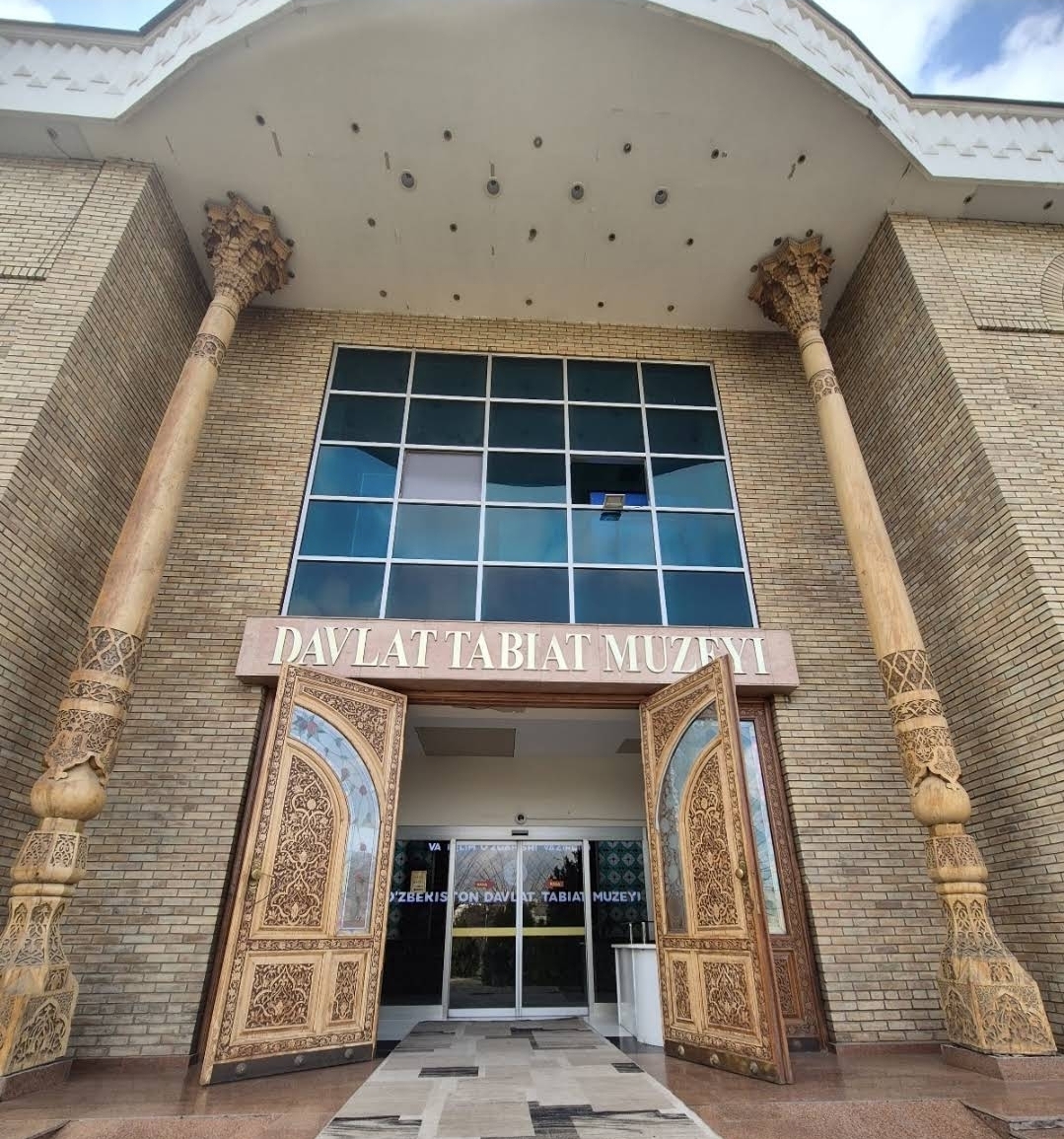
The State Museum of Nature of Uzbekistan, located in Tashkent at one Zarkaynar Street (near the Chorsu metro station), is one of the oldest museums not only in the country but throughout Central Asia. The museum was established in eighteen seventy-six. Its extensive collections contain over four hundred thousand unique exhibits, including zoological, botanical, and geological materials. The exhibition is divided into several specialized departments, showcasing the rich flora and fauna of the region, the evolution of life, and paleontological finds such as ancient animal remains. The admission ticket price for visitors is twenty thousand sums. thank you for your attention
City: Ташкент
 0:00
The Gallery of Fine Arts of Uzbekistan
🎧
Listen Audio Guide
⏱ Working hours: 10.00-17.00
💰 Ticket: 50.000 UZS
📍 Address: https://maps.app.goo.gl/qMQ3s5GTT14LHpH96?g_st=ac
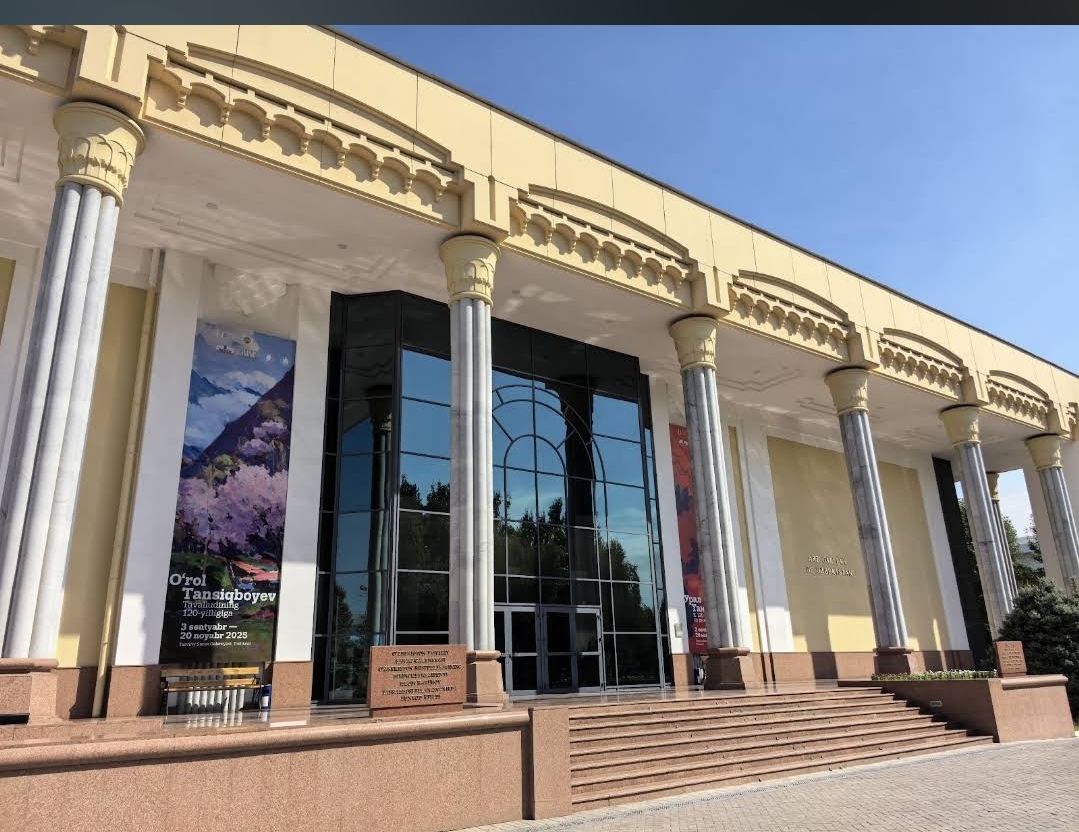
The Gallery of Fine Arts of Uzbekistan (NBU), located in Tashkent at two Buyuk Turon Street (right next to the "Mustakillik Maydoni" metro station), opened its doors in August two thousand and four. The modern exhibition facility spans thirty-five hundred square meters across fifteen exhibition halls and was designed incorporating traditional architectural motifs from Uzbekistan's historical cities. The gallery's core collection originates from the extensive fine art assembly amassed by the National Bank for Foreign Economic Activity of Uzbekistan, featuring masterpieces from the early twentieth century to the present day. It showcases exceptional paintings as well as a rare numismatic collection spanning two and a half millennia of the region's history. The complex is also equipped with a conference hall, library, master class studios, and a souvenir art shop. The admission fee for foreign visitors is fifty thousand sums. thank you for your attention
City: Ташкент
 0:00
The State Museum of Applied Arts of Uzbekistan,
🎧
Listen Audio Guide
⏱ Working hours: 09.00-18.00
💰 Ticket: 25.000 UZS
📍 Address: https://maps.app.goo.gl/49DZdyfUAALPKZbk7?g_st=ac
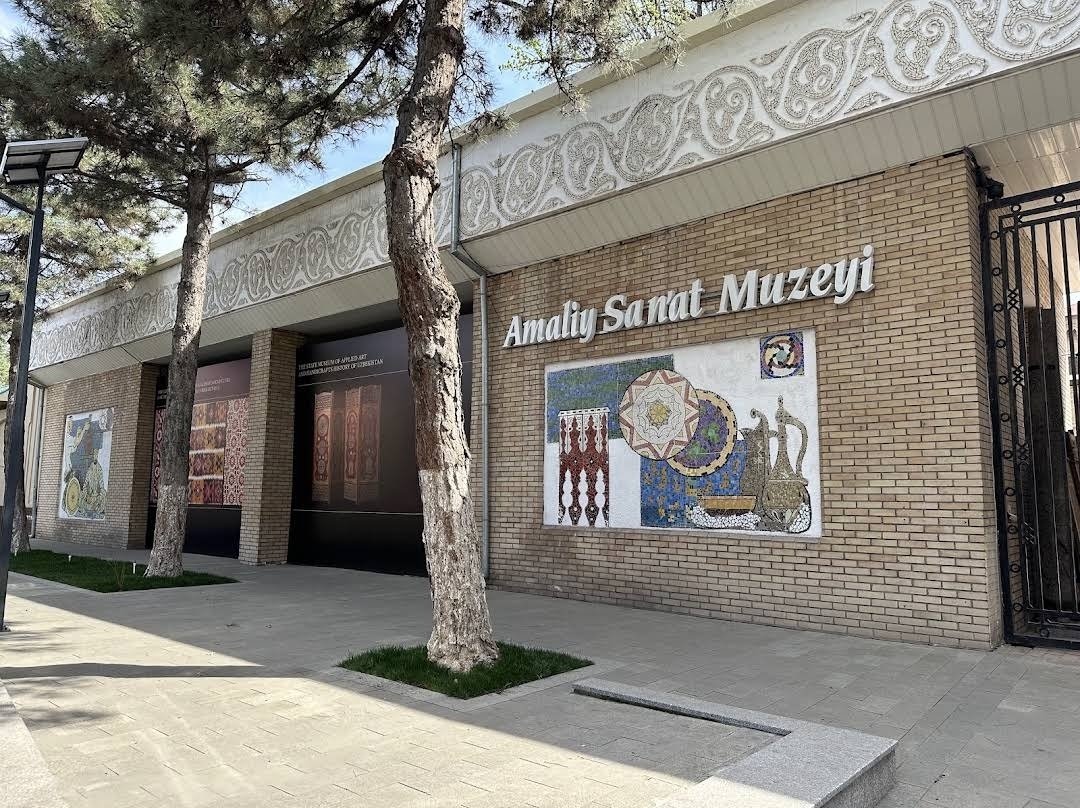
The State Museum of Applied Arts of Uzbekistan, located in Tashkent at thirty-six Rakatboshi Street (near the "Kosmonavtlar" metro station), is one of the capital's most vibrant and popular cultural institutions. The museum was established in nineteen thirty-seven. Its unique feature is that it occupies a historical building—the former mansion of Russian diplomat Alexander Polovtsev, constructed in the late nineteenth century. The interiors were masterfully crafted by Uzbekistan's finest folk artisans, featuring exquisite ganch plaster carving, wooden mosaics, and traditional ceramics, making the building itself a masterpiece of decorative art. The museum's collections house over seven thousand valuable exhibits, including traditional Uzbek embroidery (suzani), gold embroidery, ceramics from various regional schools (Rishtan, Gijduvan), jewelry, carpets, and national costumes. The admission fee for foreign visitors is twenty-five thousand sums. thank you for your attention
City: Ташкент
 0:00
The Tashkent Railway Museum
🎧
Listen Audio Guide
⏱ Working hours: 09.00-17.00
💰 Ticket: 50.000 UZS
📍 Address: https://maps.app.goo.gl/tGwoGQ9v8emTA8Mw7?g_st=ac
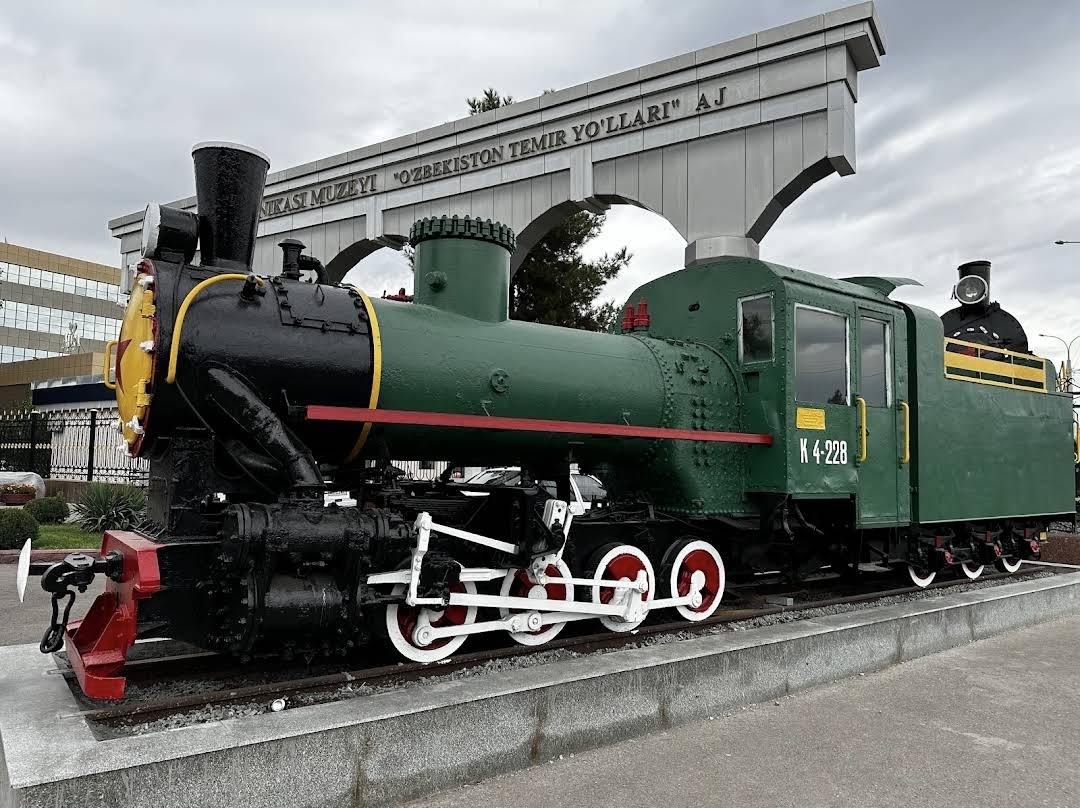
The Tashkent Railway Museum (often called the "Museum of Steam Locomotives") is located in the central part of the city at six Turkiston Street, right next to the North (Central) Railway Station and the "Tashkent" metro station. The museum was opened on August four, nineteen eighty-nine, to mark the centenary of the Central Asian Railway.
The extensive open-air exhibition spans a green park area of about one kilometer and brings together over forty full-size locomotives, carriages, and pieces of twentieth-century railway equipment. The collection features thirteen rare steam locomotives (including the oldest "Ov" series model built in nineteen fourteen), eighteen diesel locomotives, three electric locomotives, as well as passenger and freight cars, snowplows, and cranes manufactured in the USSR, the USA, Germany, and Czechoslovakia.
A key highlight of the museum is that visitors can climb inside many of the historic steam and diesel locomotives, inspect the drivers' cabs, and examine the original controls and gauges. Several specialized museum carriages house an indoor exhibition detailing the history of the region's railway development, featuring vintage train models, communication tools, signaling equipment, route maps, uniforms, and railroad awards. Visitors can also enjoy a ride on a sightseeing train running along a narrow-gauge railway within the park. The admission fee for foreign visitors is fifty thousand sums. thank you for your attention
City: Ташкент
 0:00
Mustakillik Square (Independence Square)
🎧
Listen Audio Guide
⏱ Working hours: -
💰 Ticket: -
📍 Address: https://maps.app.goo.gl/H6CJ9orfznCuskTcA?g_st=ac
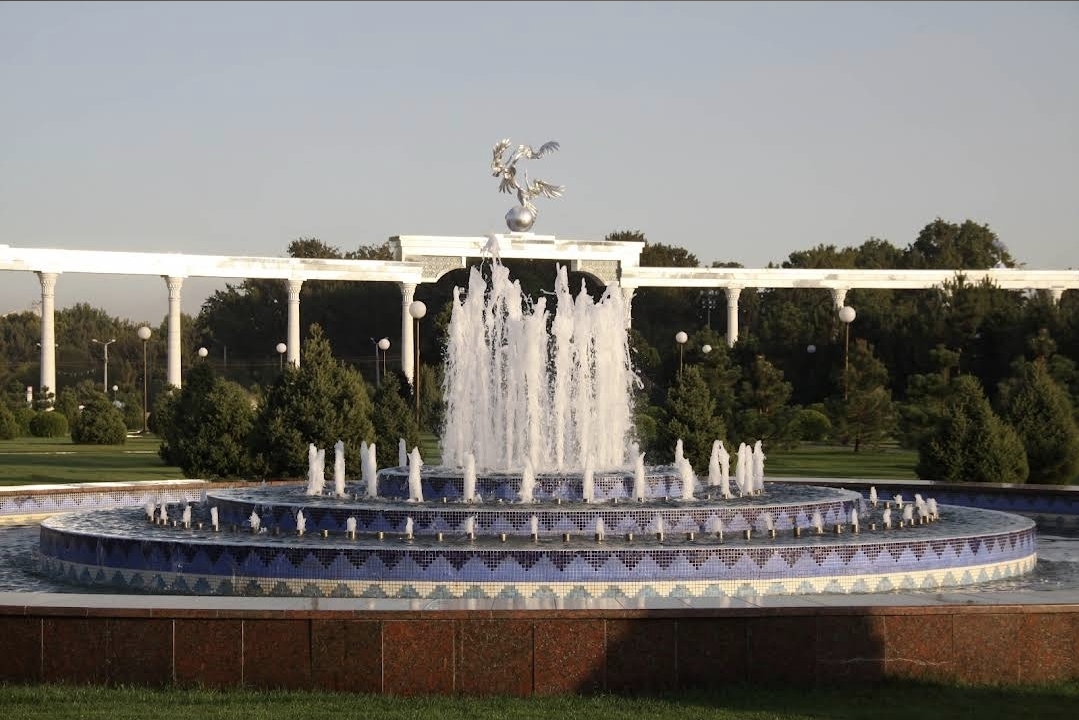
Mustakillik Square (Independence Square) is the main central square of Tashkent and the primary symbol of Uzbekistan's statehood. The expansive public space resembles a beautifully landscaped park featuring shaded alleys, cascading fountains, and prominent government buildings. During the Soviet era, the area was known as Red Square and later Lenin Square, before undergoing a major reconstruction following the country's independence in nineteen ninety-one.
The focal point of the square is the Independence and Humanism Monument, featuring a large golden globe with the mapped outlines of Uzbekistan mounted on a tall pedestal, preceded by the statue of a seated mother holding her baby. The formal entrance is marked by the majestic Ezgulik Arch adorned with columns and bronze figures of storks symbolizing peace and tranquility. The complex also incorporates the Alley of Memory and Honors with the Book of Remembrance, a solemn site visited during national holidays. Walking around the open public space of the square is completely free. thank you for your attention
City: Ташкент
 0:00
The Alisher Navoi National Park
🎧
Listen Audio Guide
⏱ Working hours: -
💰 Ticket: -
📍 Address: https://maps.app.goo.gl/D8U8rj8qa1eNfLgj7?g_st=ac
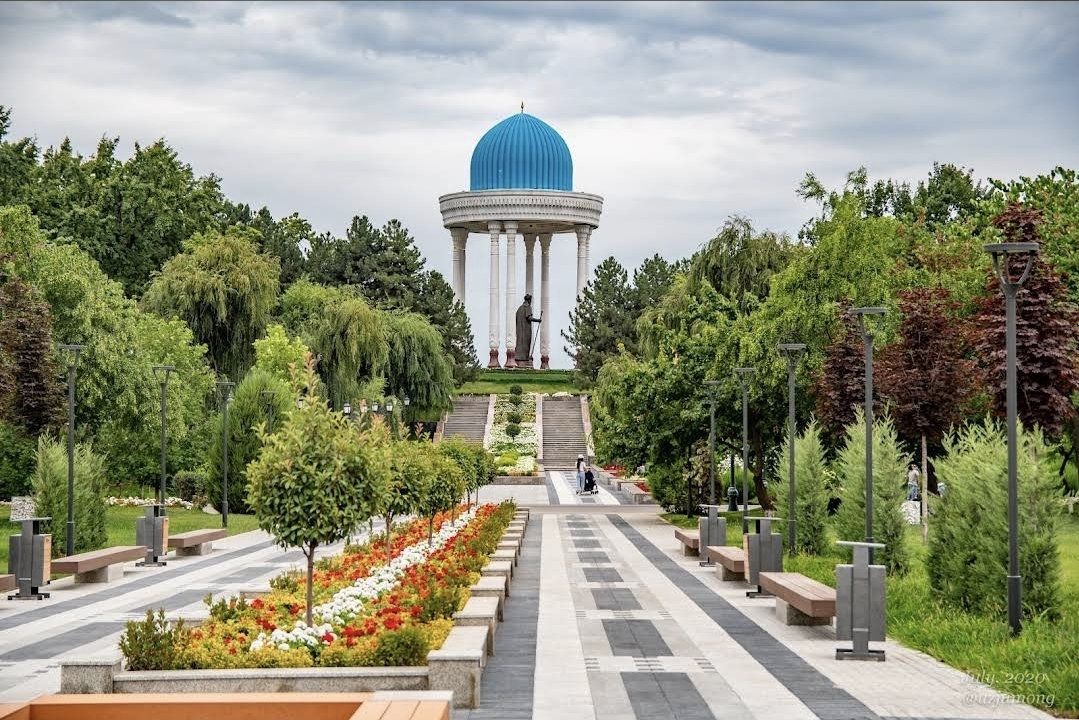
The Alisher Navoi National Park of Uzbekistan in Tashkent covers an area of sixty-five hectares. It was established in nineteen thirty-two through a voluntary community effort on the site of former brick quarries. The green zone features a scenic nine-hectare lake and a majestic monument to the poet Alisher Navoi set beneath a domed rotunda. The complex also houses the Oliy Majlis and the historic Abulkasym Madrasah. thank you for your attention
City: Ташкент
 0:00
The Svyato-Uspensky Cathedral
🎧
Listen Audio Guide
⏱ Working hours: 08.00-18.00
💰 Ticket: -
📍 Address: https://maps.app.goo.gl/Rm58qTkbDuFWhyeUA?g_st=ac
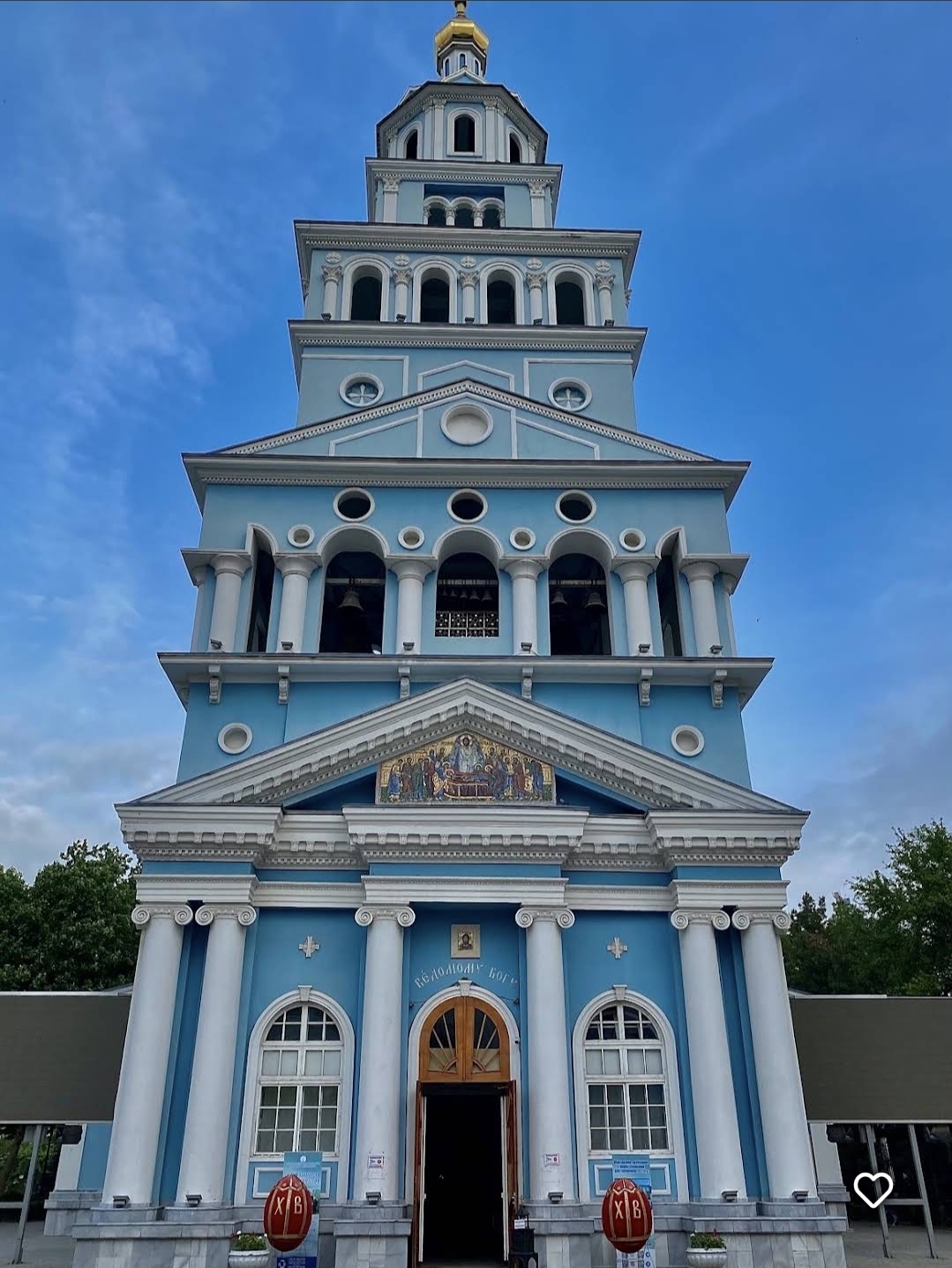
The Svyato-Uspensky Cathedral is the main Russian Orthodox cathedral in Tashkent, founded in eighteen seventy-seven. The majestic five-domed church with a tall bell tower features a well-landscaped green area, beautiful flower beds, and profound spiritual significance for believers. The complex includes a theological school and the metropolitan's residence. Visiting the open grounds and the church is free of charge. thank you for your attention
City: Ташкент
 0:00
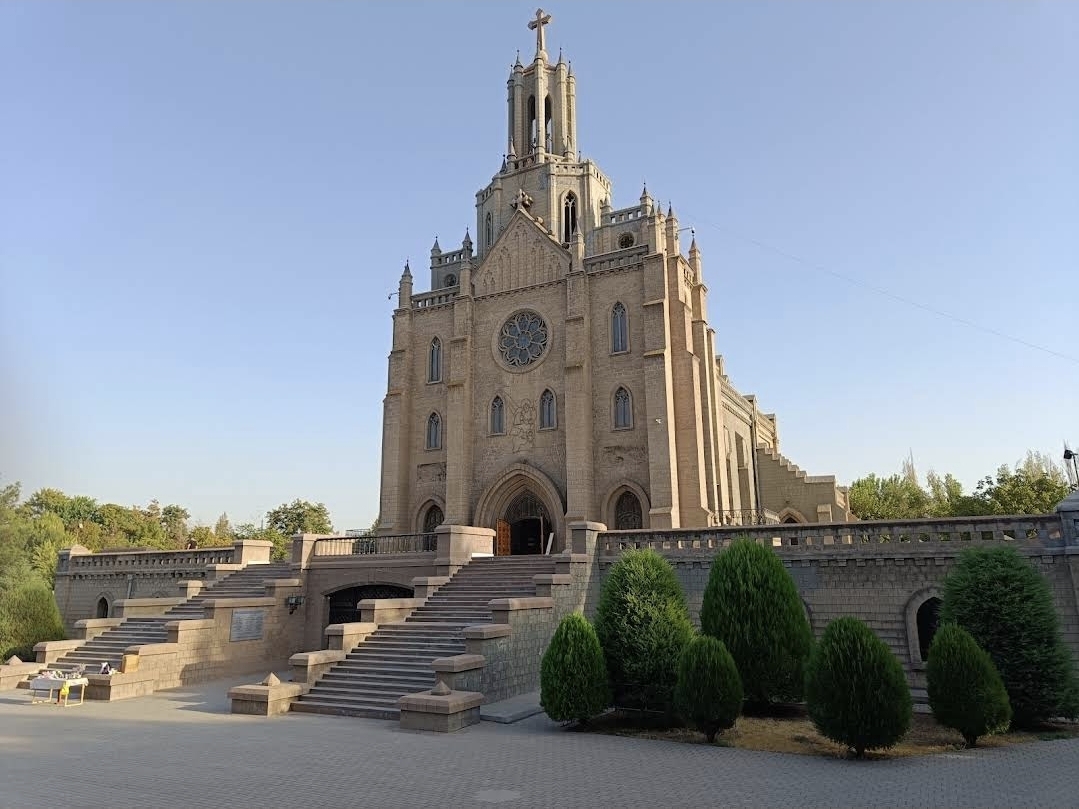
The Roman Catholic Church of the Sacred Heart of Jesus
🎧
Listen Audio Guide
⏱ Working hours: 08.00-19.00
💰 Ticket: -
📍 Address: https://maps.app.goo.gl/vqybGwR4K7wx67EG7?g_st=ac
The Roman Catholic Church of the Sacred Heart of Jesus is a magnificent neo-Gothic cathedral built in the early twentieth century. The red-brick building with soaring spires, lancet windows, and turrets stands out for its unique architecture. The church hosts pipe organ concerts and multilingual services. Entering the grounds is free, while interior visits follow a schedule. thank you for your attention
City: Ташкент
 0:00
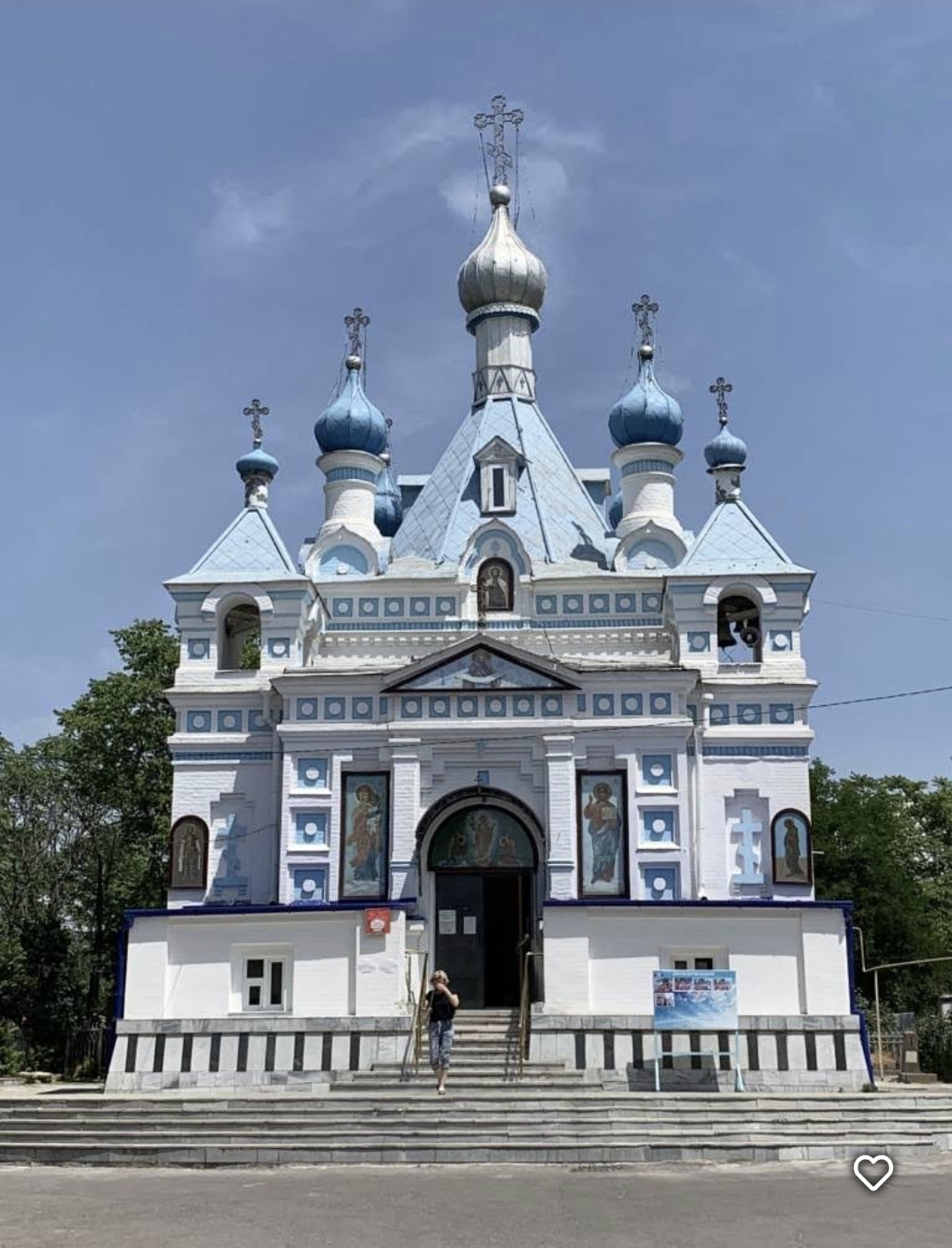
The Church of Prince Alexander Nevsky
🎧
Listen Audio Guide
⏱ Working hours: 08.00-19.00
💰 Ticket: -
📍 Address: https://maps.app.goo.gl/1jeNoVbZ6dAwztiZ7?g_st=ac
The Church of Prince Alexander Nevsky is a historic Orthodox church located on the grounds of the scenic Botkin Cemetery. The church was built in the late nineteenth century and consecrated in eighteen ninety. The red-brick building is renowned for its peaceful atmosphere, ancient icons, and rich interior decoration. Visiting the open grounds and the church is completely free of charge for all visitors. thank you for your attention
City: Ташкент
 0:00
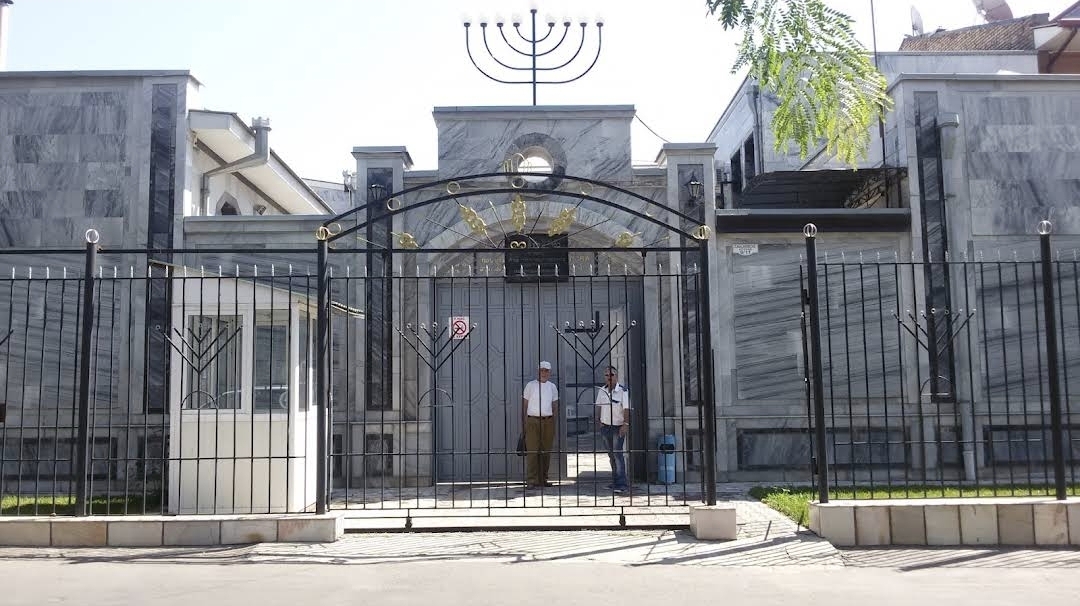
The Main Synagogue of Tashkent
🎧
Listen Audio Guide
⏱ Working hours: 09.00-12.30 по субботам
💰 Ticket: -
📍 Address: https://maps.app.goo.gl/8EF4q1BhR2AJ9Mtc6?g_st=ac
The Main Synagogue of Tashkent serves as an active center for the spiritual, cultural, and religious life of the local Bukharian Jewish community. Traditional services, religious holidays, and educational and cultural events are regularly held here. The synagogue building is located in a quiet area of the city and welcomes community members and visitors. Interior visits should be coordinated with the community. thank you for your attention
City: Ташкент
 0:00
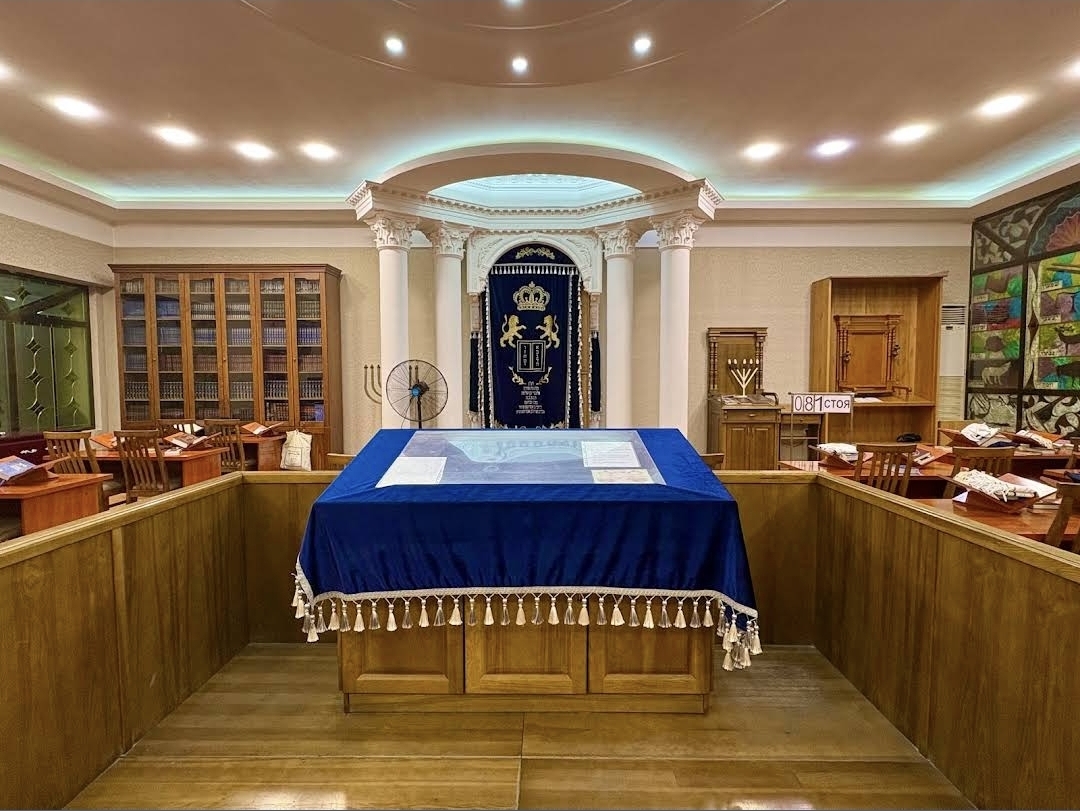
The Synagogue of European Jews "Beth Menachem"
🎧
Listen Audio Guide
⏱ Working hours: -
💰 Ticket: -
📍 Address: https://maps.app.goo.gl/ve57WpNsGwHGKZx17?g_st=ac
The Synagogue of European Jews "Beth Menachem" (Tashkent), located at fifteen Mirabad Passage (near the "Ming Urik" metro station), serves as the spiritual and cultural center for the Ashkenazi (European) Jewish community in Uzbekistan. The community brings together believers of European descent whose families settled in the region during various periods of the nineteenth and twentieth centuries. The synagogue regularly hosts traditional Sabbath and holiday services, religious ceremonies, as well as educational and charitable programs for its members. Visits to the interior and participation in community activities should be coordinated with the synagogue administration. thank you for your attention
City: Ташкент
 0:00
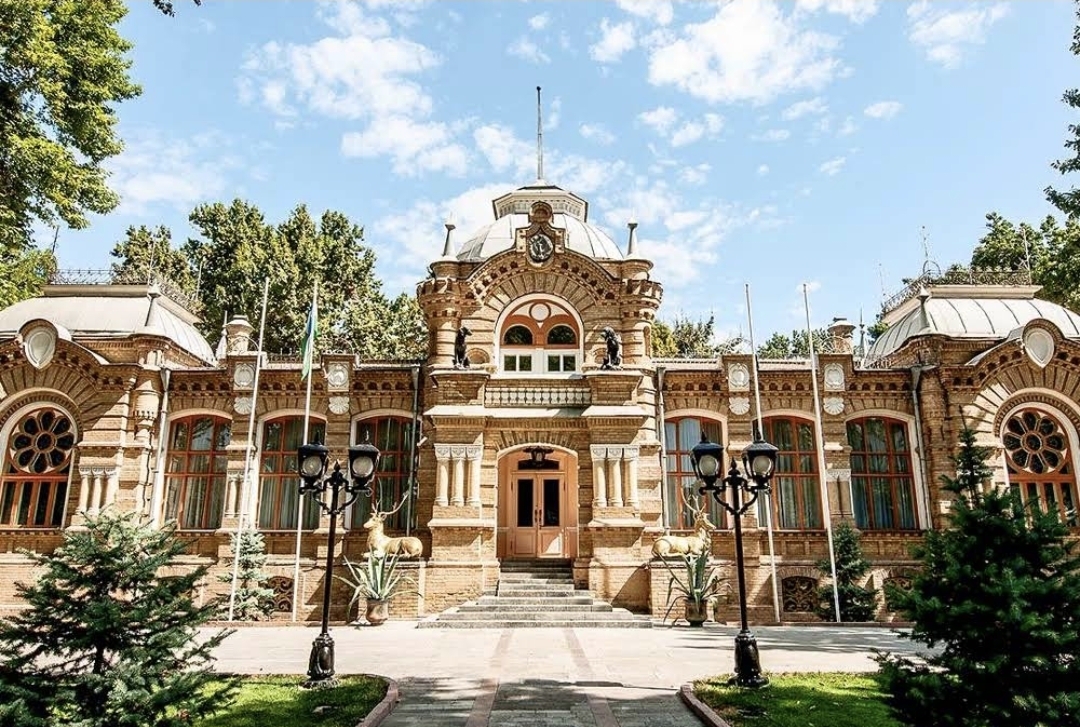
The Palace of Grand Duke Nikolai Konstantinovich Romanov
🎧
Listen Audio Guide
⏱ Working hours: -
💰 Ticket: -
📍 Address: https://maps.app.goo.gl/CaLfKLT77KEXRMfM6?g_st=ac
The Palace of Grand Duke Nikolai Konstantinovich Romanov (known as the Romanov House) is one of Tashkent's most striking and enigmatic architectural landmarks, located in the central part of the city (Yunusabad district).
The building was erected in eighteen ninety-one based on a design by prominent architects Wilhelm Heinzelmann and Alexei Benoit. The residence was built for Grand Duke Nikolai Konstantinovich—the grandson of Emperor Nicholas I—who was effectively exiled to the Turkestan region following a high-profile family scandal. The Grand Duke lived in Tashkent for nearly forty years and made a significant contribution to the region's development by initiating the irrigation of the Hungry Steppe, building canals, and promoting local industries, while also assembling a remarkable art collection that formed the basis of the city's first public museum.
City: Хива
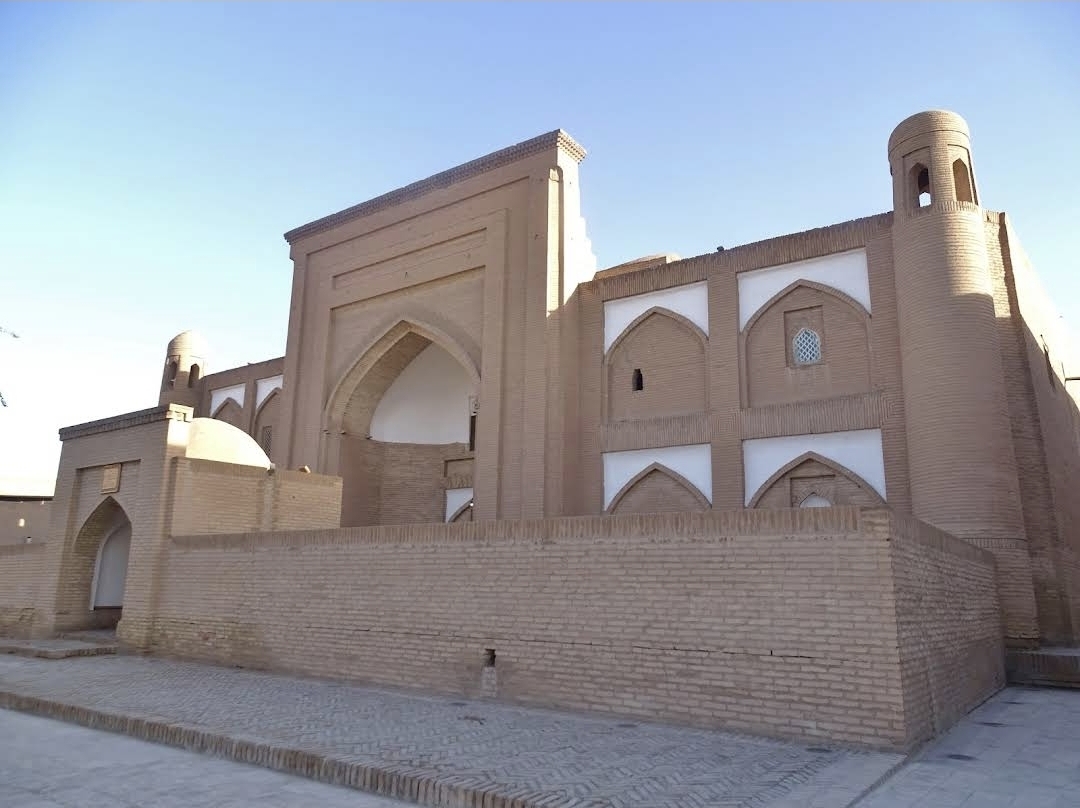 0:00
The Arab Muhammad-Khan Madrasah
🎧
Listen Audio Guide
⏱ Working hours: -
💰 Ticket: По единому билету 150.000 UZS
📍 Address: https://maps.app.goo.gl/p4kqHLFYqazwxb6B6
The Arab Muhammad-Khan Madrasah in Ichan-Kala (Khiva) was built in sixteen sixteen and is one of the city's oldest architectural landmarks. The structure was erected by order of ruler Arab Muhammad-Khan to commemorate moving the capital of the Khorezm state to Khiva. Originally a single-story building, it was later remodeled under Allakulikhan, acquiring a two-story main facade with a courtyard and student rooms. thank you for your attention to exit press the button
City: Хива
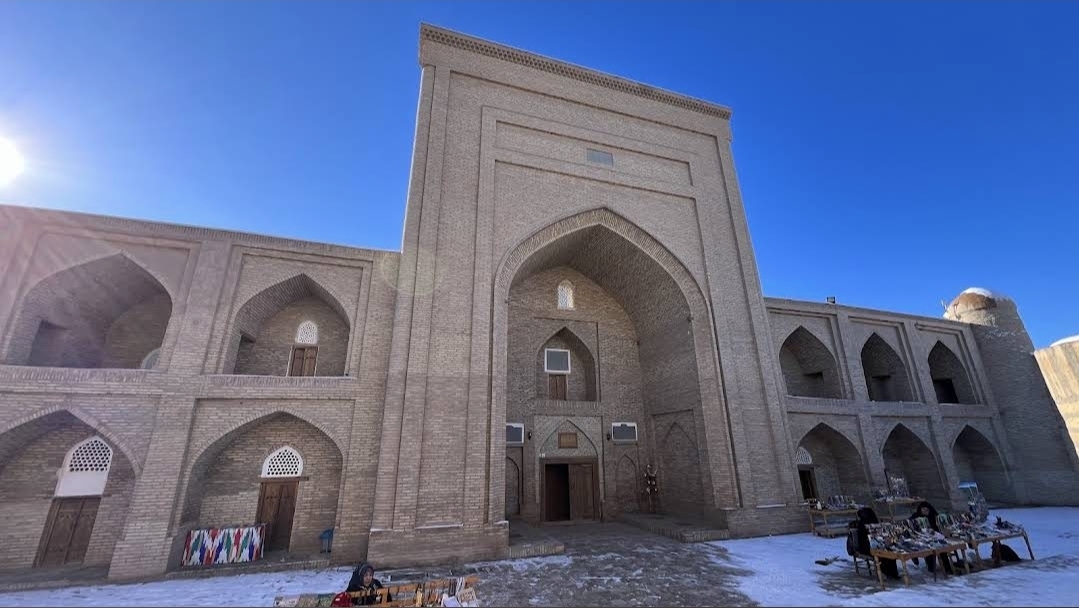 0:00
The Shirgazi-Khan Madrasah
🎧
Listen Audio Guide
⏱ Working hours: 08.00-18.00
💰 Ticket: 150.000 UZS
📍 Address: https://maps.app.goo.gl/qVSZuSDAD4GR81kn7?g_st=ac
The Shirgazi-Khan Madrasah was built in Ichan-Kala between seventeen nineteen and seventeen twenty-six by order of the ruler of Khiva. Due to its high educational standards, the institution earned the poetic name "Maskan-i fazilan," meaning "Abode of Scholars". Its walls educated prominent cultural figures and poets of the region, including the classic Turkmen poet Magtymguly, Karakalpak poet Ajiniyaz, and thinker Beket-ata. thank you for your attention to exit press the button
City: Хива
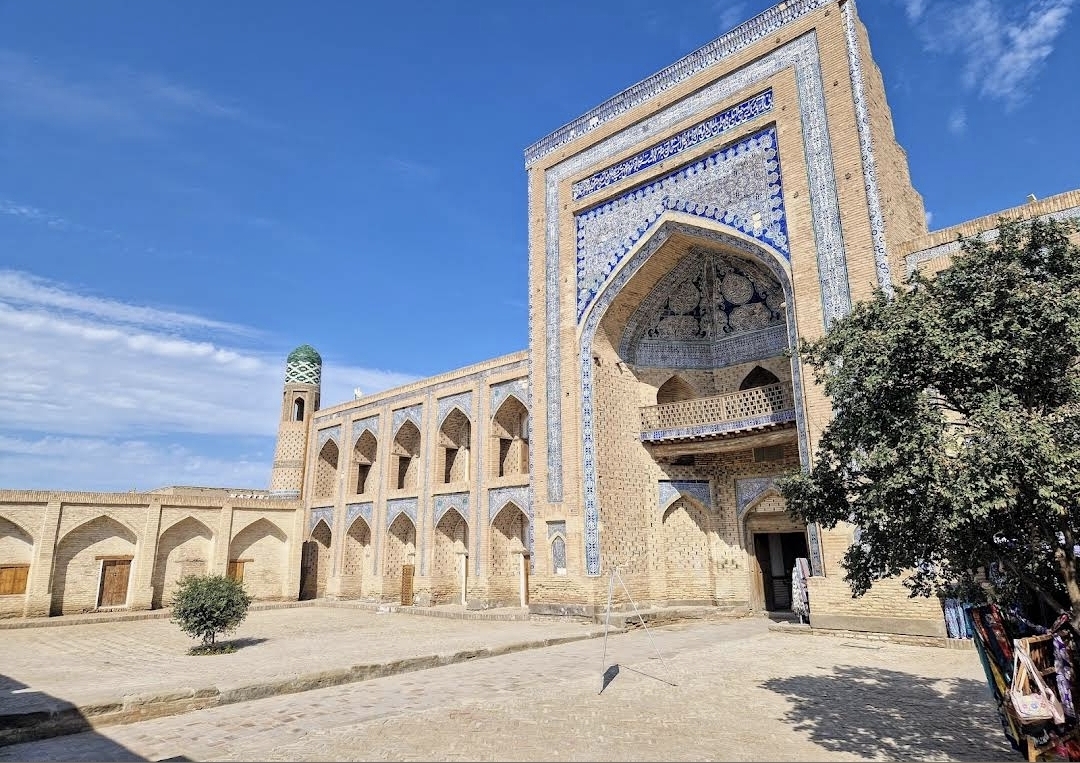 0:00
The Muhammad Rahim-Khan II Madrasah
🎧
Listen Audio Guide
⏱ Working hours: 08.00-19.00
💰 Ticket: 150.000 UZS
📍 Address: https://maps.app.goo.gl/FoVRsEZStXrn3yM8A?g_st=ac
The Muhammad Rahim-Khan II Madrasah was built in eighteen seventy-one opposite the Kunya-Ark citadel and is one of the largest in Khiva. Ruler Muhammad Rahim-Khan II was an enlightened monarch, a poet writing under the pen name Feruz, and a devoted patron of education and science. The complex features a thoughtful architectural layout with spacious classrooms, an inner courtyard, and domed student cells. thank you for your attention to exit press the button
City: Хива
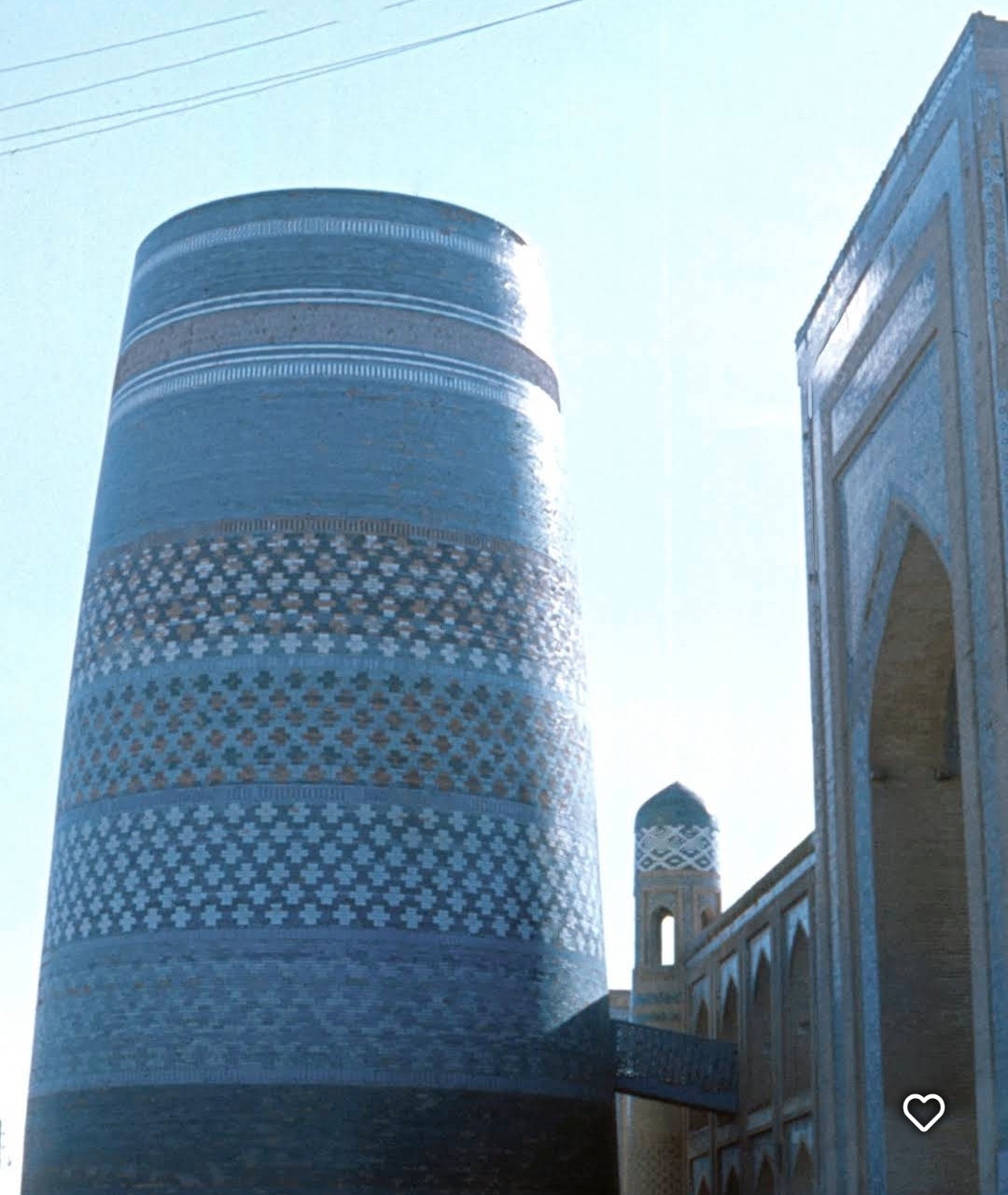 0:00
The Kalta-Minor Minaret
🎧
Listen Audio Guide
⏱ Working hours: 08.00-19.00
💰 Ticket: 150.000 UZS
📍 Address: https://maps.app.goo.gl/KSMgf4UYT2LqyT828?g_st=ac
The Kalta-Minor Minaret in Khiva was initiated in eighteen fifty-two by ruler Muhammad Amin-Khan, who intended to build the tallest tower in the Muslim world, reaching up to eighty meters. However, construction abruptly stopped in eighteen fifty-five following the Khan's death. Due to its unique stout proportions and complete cladding of turquoise glazed tiles and intricate patterns, the twenty-nine-meter tower became known as the "Short Minaret" and remains an iconic symbol of the city. thank you for your attention
City: Хива
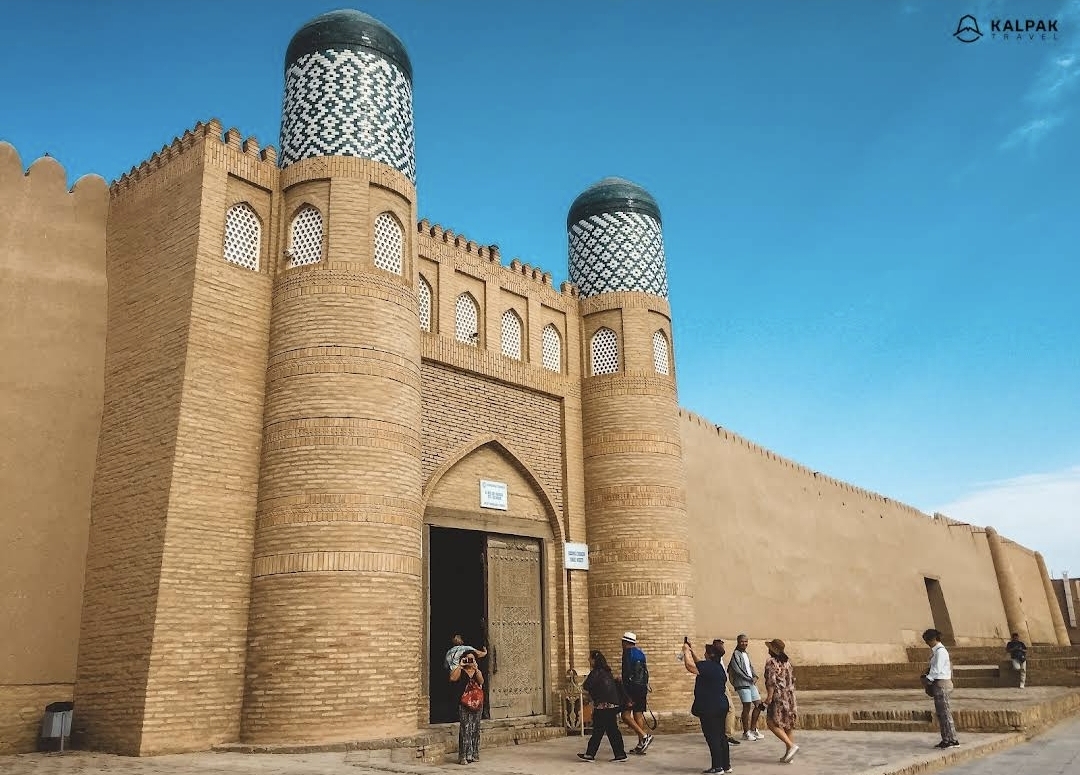 0:00
The Kunya-Ark Citadel ("old fortress")
🎧
Listen Audio Guide
⏱ Working hours: 08.00-19.00
💰 Ticket: 150.000 UZS
📍 Address: https://maps.app.goo.gl/MqAe1eZgc3Gkwbmn8?g_st=ac
The Kunya-Ark Citadel ("old fortress") was the official residence of the rulers of the Khiva Khanate, erected in the late seventeenth century. The complex operated as a "city within a city" protected by a high defensive wall. Inside, it housed several distinct courtyards, the khan's reception hall (kurinishkhana), a mosque, a mint, a harem, and the Akshikh-bobo watchtower, which offers a breathtaking panoramic view of the ancient Ichan-Kala ensemble. thank you for your attention
City: Хива
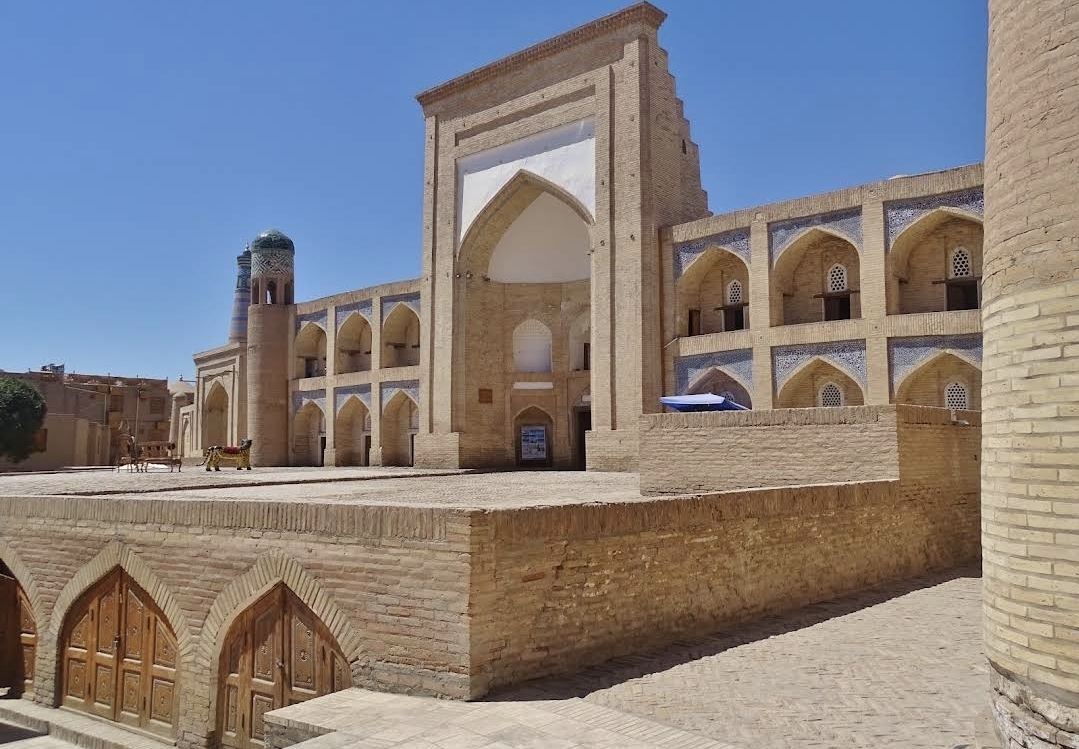 0:00
The Kutlug Murad Inak Madrasah
🎧
Listen Audio Guide
⏱ Working hours: 08.00-19.00
💰 Ticket: 150.000 UZS
📍 Address: https://maps.app.goo.gl/53496XrXuNvjpAXg6?g_st=ac
The Kutlug Murad Inak Madrasah was constructed in Ichan-Kala between eighteen four and eighteen twelve. It is notable as Khiva's first two-story madrasah, built following traditional architectural canons. According to historical records and the final wish of Kutlug Murad Inak, the noble patron behind its construction, he was buried beneath the floor of the building's main entrance vestibule (miyonsaroy). The facade is exquisitely decorated with traditional majolica and geometric patterns. thank you for your attention
City: Хива
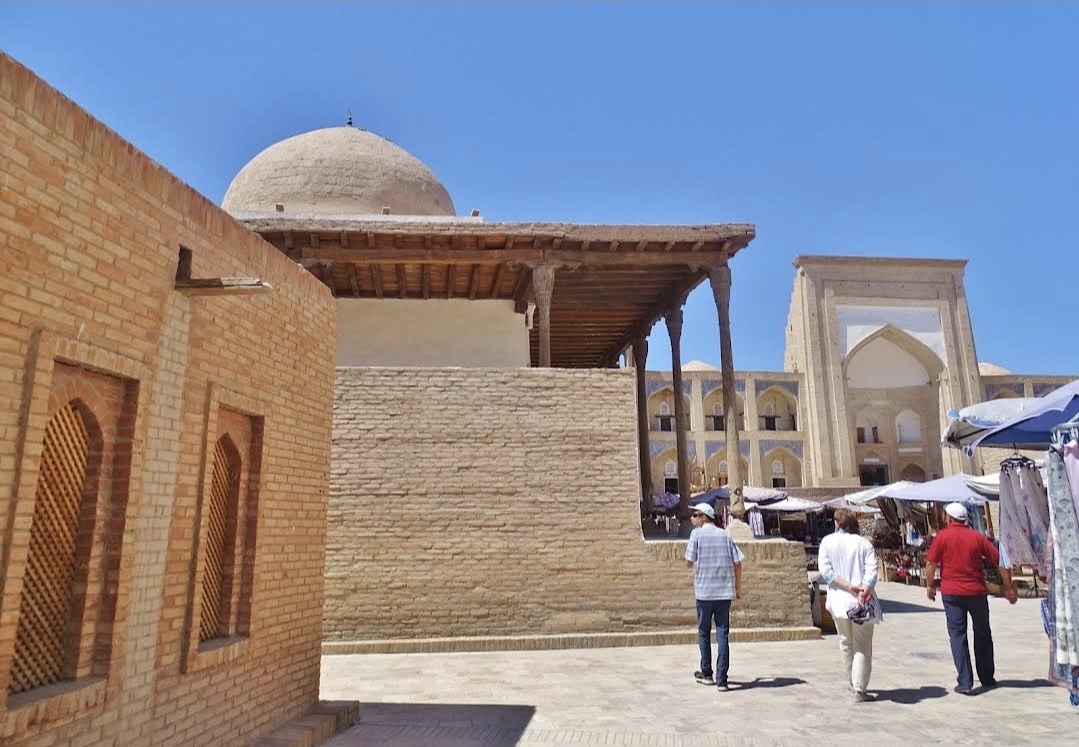 0:00
The Ak Mosque (White Mosque)
🎧
Listen Audio Guide
⏱ Working hours: 08.00-19.00
💰 Ticket: 150.000 UZS
📍 Address: https://maps.app.goo.gl/UfyjduQSmRY5MWb67?g_st=ac
The Ak Mosque (White Mosque) is located in the historical center of Ichan-Kala near the eastern Palvan-Darvaza gates. It was built between eighteen thirty-eight and eighteen forty-two under Allah Kuli Khan on the foundations of older 17th-century structures. This small quarter mosque consists of a square domed prayer hall surrounded on three sides by an open-air iwan (portico). Its white walls, elegant carved wooden columns, and traditional ornaments give the building a unique sense of lightness and harmony. thank you for your attention
City: Хива
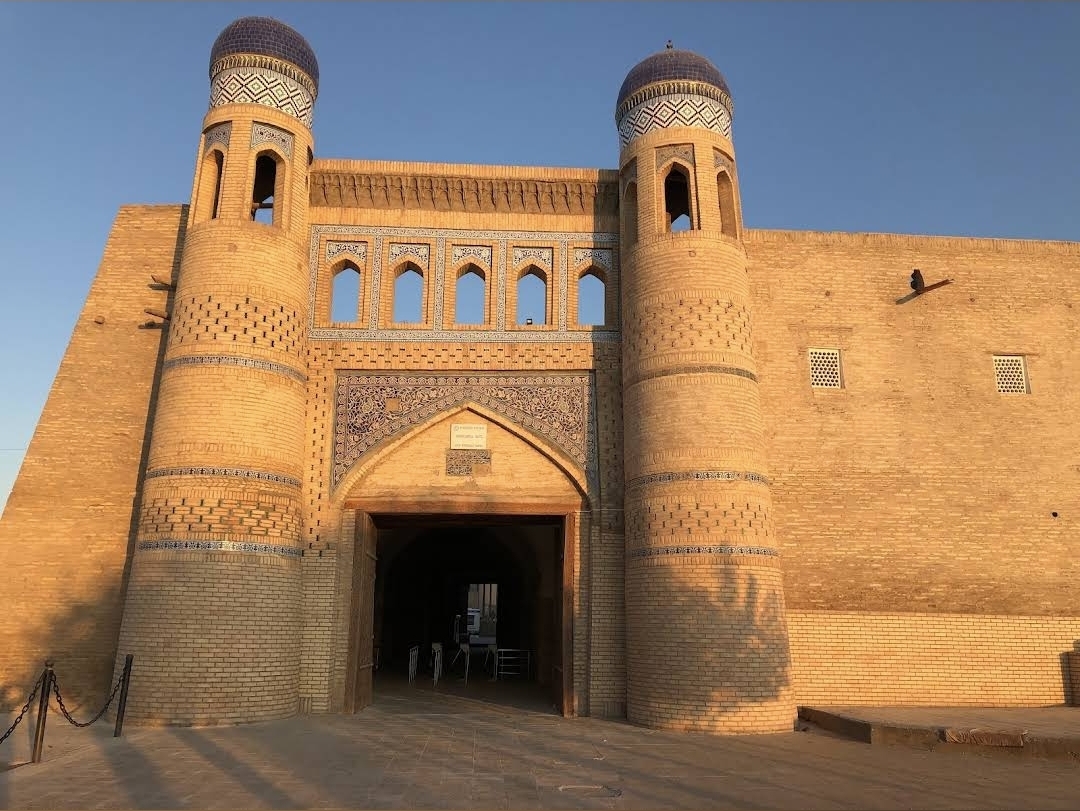 0:00
Palvan-Darvaza
🎧
Listen Audio Guide
⏱ Working hours: 08.00-19.00
💰 Ticket: 150.000 UZS
📍 Address: https://maps.app.goo.gl/GDx9XMCUyAPUPGgDA?g_st=ac
Palvan-Darvaza is the main eastern gate of the historic Ichan-Kala citadel in Khiva, constructed between 1804 and 1806. It was named in honor of Pakhlavan Mahmud, a local poet, philosopher, and legendary wrestler revered as the patron saint of the city ("Palvan" means "hero" or "fighter"). The architectural layout features an arched portal that extends into a long covered gallery ("dash-kucha") with a chain of six domes and traditional trading stalls inside. Historically, due to its location, the gate was also known as "Kul-darvaza" (Slave Gate) because a slave market operated nearby until 1873, and "Pashshab-darvaza" (Execution Gate) as khans' decrees and sentences were publicly announced and carried out here. thank you for your attention
City: Хива
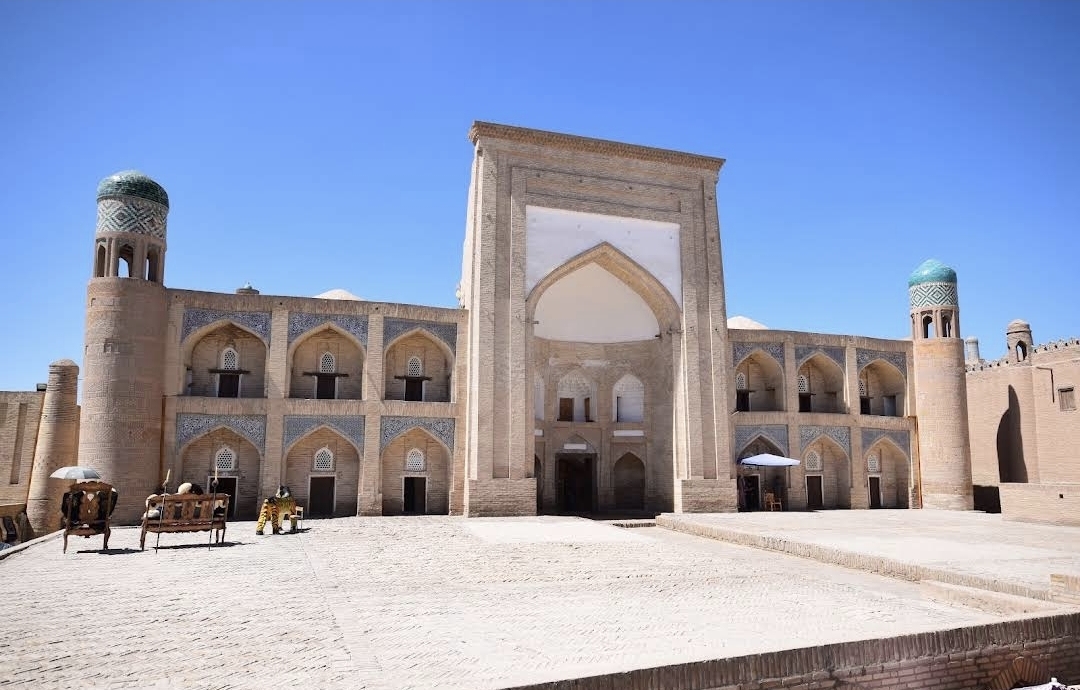 0:00
The Allakuli Khan Madrasah
🎧
Listen Audio Guide
⏱ Working hours: 08.00-19.00
💰 Ticket: 150.000 UZS
📍 Address: https://maps.app.goo.gl/WzXT4sGFHTWudYpu7?g_st=ac
The Allakuli Khan Madrasah in the historic center of Ichan-Kala (Khiva) was built between eighteen thirty-four and eighteen thirty-five by order of ruler Allakuli Khan. To construct it, a section of the Ichan-Kala fortress wall and parts of the Palvan-Darvaza gates were dismantled, forming a traditional "kosh" architectural pairing opposite the Kutlug Murad Inak Madrasah. The facade is richly decorated with traditional Khorezm majolica in black, white, and blue tones. In the nineteenth century, the ground floor of the madrasah housed the city library. The admission fee for visitors is fifty thousand sums. thank you for your attention
City: Хива
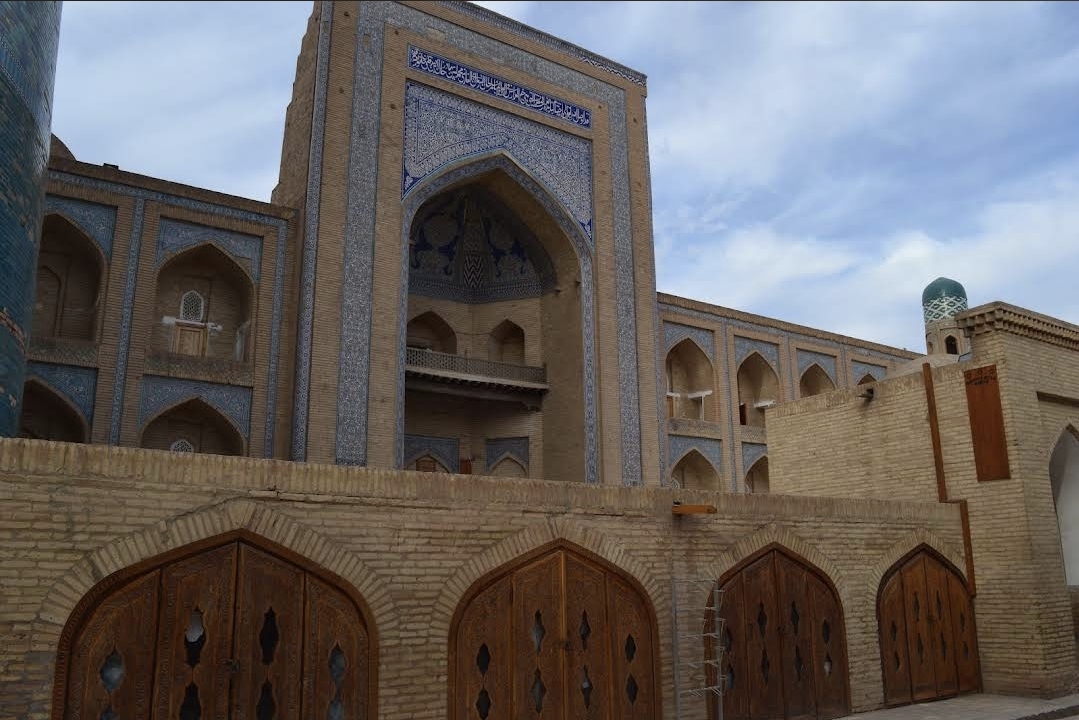 0:00
The Allakuli Khan Caravanserai
🎧
Listen Audio Guide
⏱ Working hours: 08.00-19.00
💰 Ticket: 150.000 UZS
📍 Address: https://maps.app.goo.gl/sGb5opNGqsaZL4g77?g_st=ac
The Allakuli Khan Caravanserai in Khiva was built in eighteen thirty-two to eighteen thirty-three by order of ruler Allakuli Khan, located near the eastern Palvan-Darvaza gates and adjacent to his madrasah complex. It served as the primary commercial and logistical hub of the medieval city, designed to accommodate merchants and caravans traveling along the Silk Road. The two-story building features a spacious central courtyard, over one hundred rooms (hujras) on the second floor for lodging traders, and storage spaces for goods on the ground floor. Today, this architectural landmark is the only completely preserved caravanserai of the former Khiva Khanate. thank you for your attention
City: Хива
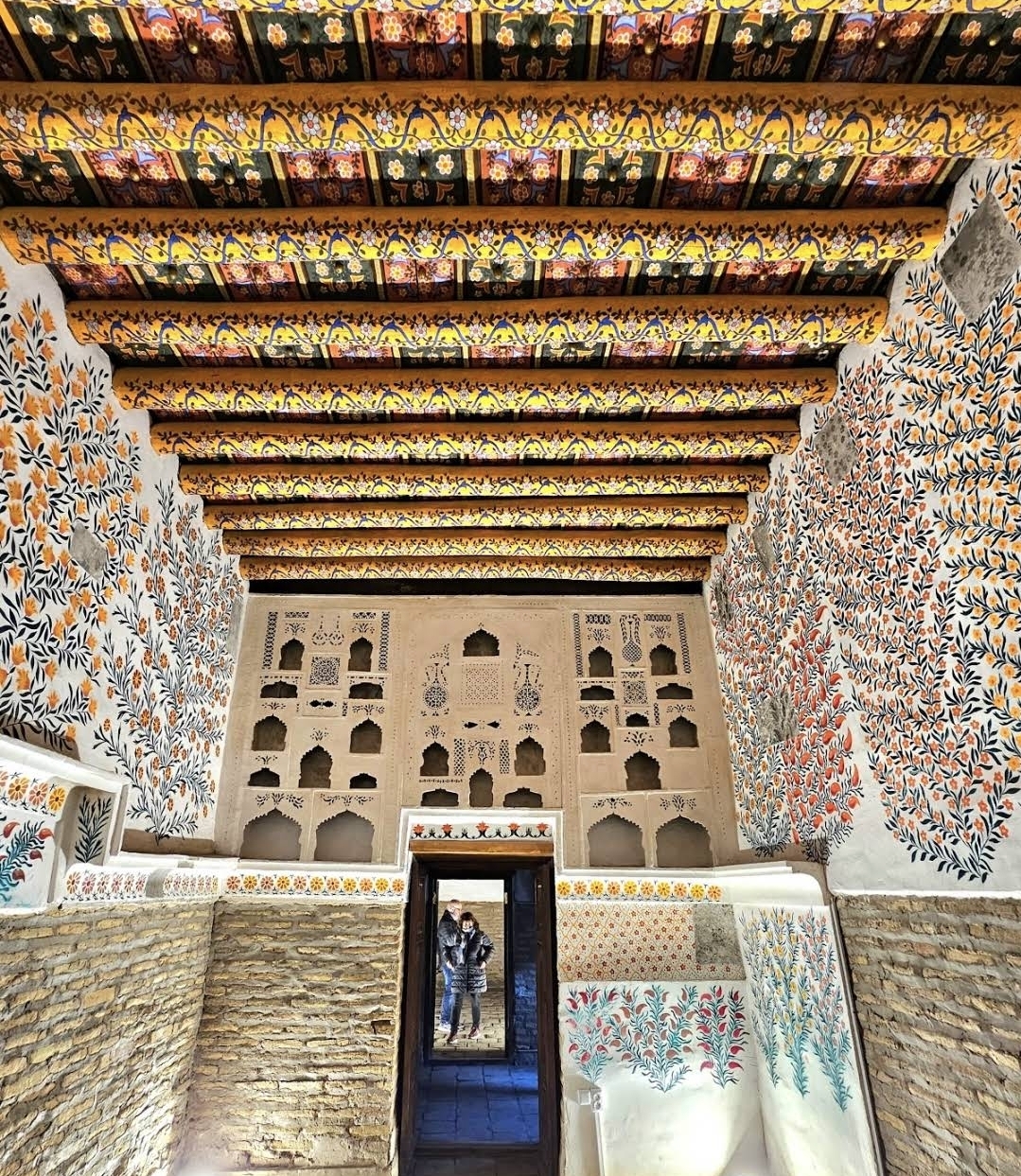 0:00
The Tash-Khovli Palace ("Stone Courtyard")
🎧
Listen Audio Guide
⏱ Working hours: 08.00-19.00
💰 Ticket: 150.000 UZS
📍 Address: https://maps.app.goo.gl/7d9ebhvVKJGVMufw7?g_st=ac
The Tash-Khovli Palace ("Stone Courtyard") in Khiva is a grandiose nineteenth-century palace complex that served as the main residence of the Khiva khans. It was built by order of ruler Allakuli Khan between eighteen thirty and eighteen thirty-eight. The name reflects the fact that, unlike the mud-brick structures of that era, it was constructed from high-quality fired bricks.
The architectural ensemble covers an area of over one and a half hectares and is divided into three main functional zones connected by a labyrinth of corridors: the Harem (the northern section featuring five magnificent iwans for the khan and his four wives), Ishrat-Khovli (the reception and celebration courtyard), and Arz-Khovli (the court of justice and official audiences). The palace interiors and facades feature intricate blue-and-white majolica with floral and geometric patterns, carved wooden pillars, and painted ceilings. thank you for your attention
City: Хива
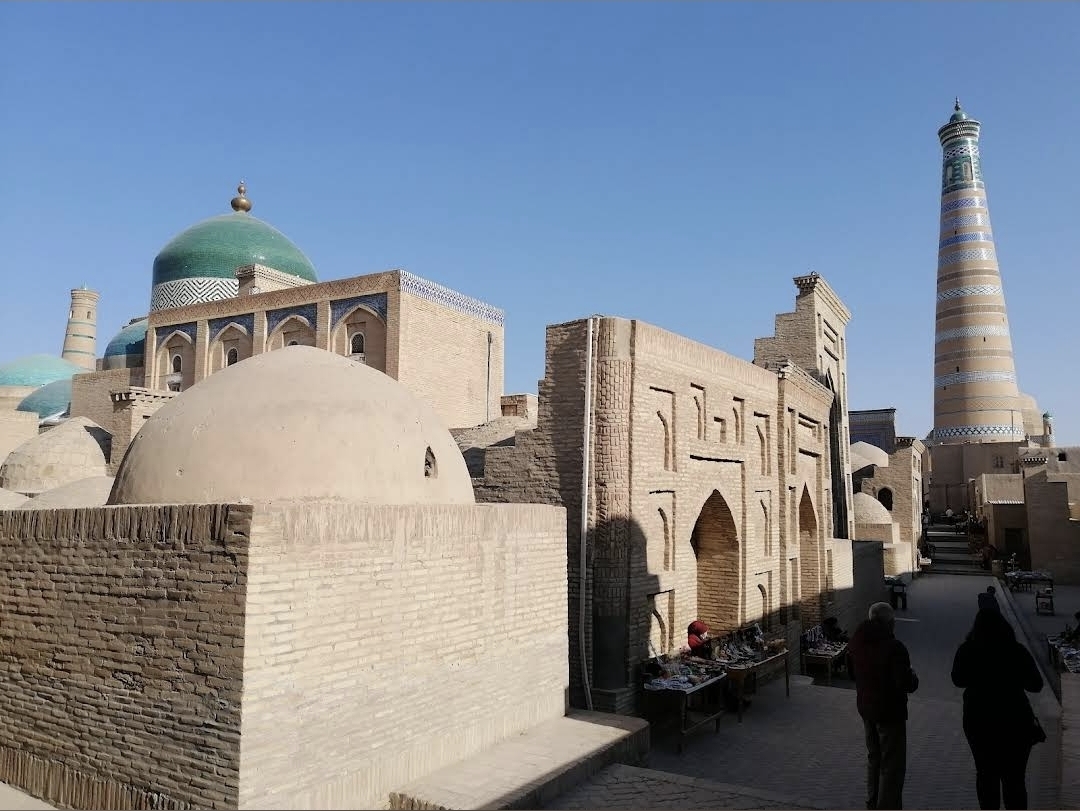 0:00
The Islam Khoja Minaret and architectural complex
🎧
Listen Audio Guide
⏱ Working hours: 08.00-19.00
💰 Ticket: 150.000 UZS
📍 Address: https://maps.app.goo.gl/Vmg2j1rxattt6tdb8?g_st=ac
The Islam Khoja Minaret and architectural complex, located in the historic center of Ichan-Kala in Khiva, was built between nineteen hundred and eight and nineteen hundred and ten. The complex was commissioned by Islam Khoja, the progressive chief vizier of the Khiva Khanate, who championed educational reforms, modern infrastructure, and healthcare.
The Islam Khoja Minaret is the tallest structure in Khiva and one of the highest in Uzbekistan, reaching a height of fifty-six point six meters with a base diameter of nine point five meters. Its slender, tapered silhouette draws inspiration from fourteenth-century Khorezm architectural traditions. The brick shaft is artistically adorned with horizontal bands of turquoise, blue, and white glazed ceramic tiles that create a striking visual rhythm. At the top, the minaret features an openwork lantern and a dome. An internal spiral staircase leads up to an observation platform, offering breathtaking panoramic views over the entire ancient oasis. Directly adjacent to the minaret is the compact Islam Khoja Madrasah, which comprises forty-two student cells and a domed prayer hall. thank you for your attention
City: Хива
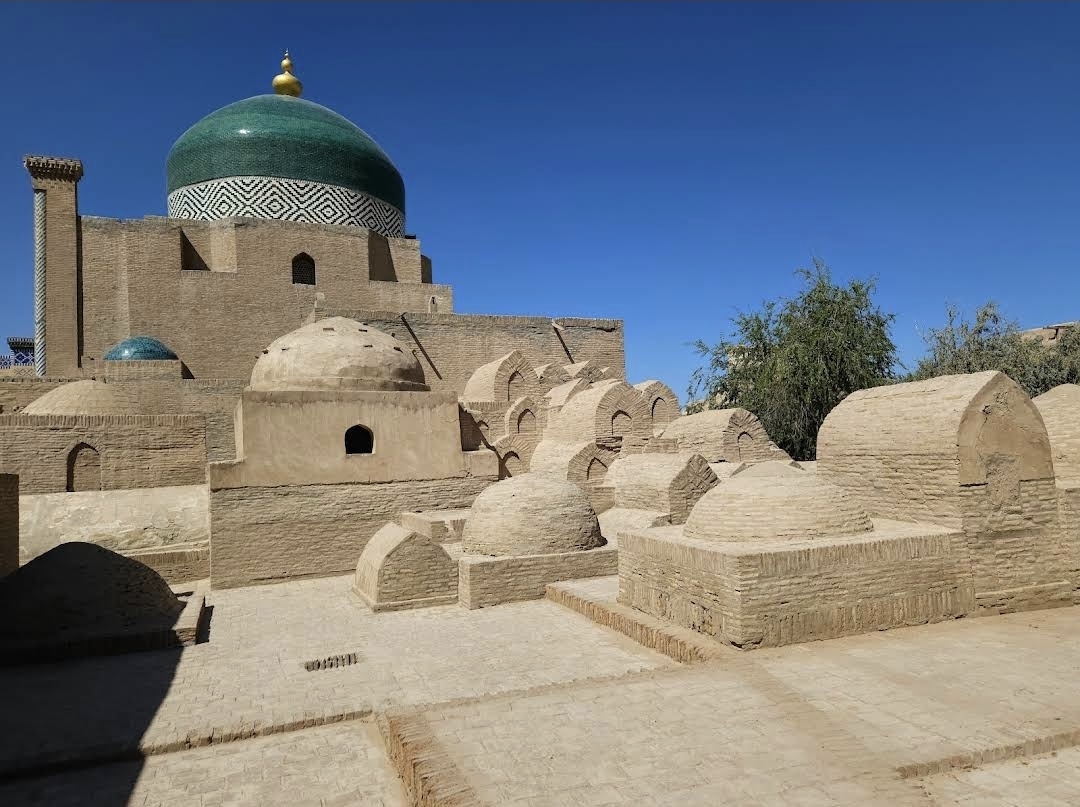 0:00
The Pahlavan Mahmoud Mausoleum
🎧
Listen Audio Guide
⏱ Working hours: 08.00-19.00
💰 Ticket: 150.000 UZS
📍 Address: https://maps.app.goo.gl/BHNQMJSYYEg8jvHU6?g_st=ac
The Pahlavan Mahmoud Mausoleum in the historic center of Ichan-Kala (Khiva) is a memorial complex dedicated to the 13th-century national hero, poet, philosopher, and legendary wrestler Pakhlavan Mahmud, who is revered as the patron saint of the city. According to his will, he was buried in his own workshop courtyard, around which a magnificent architectural ensemble developed between the 17th and 19th centuries.
The standout feature of the complex is its grand turquoise-glazed dome with a gilded peak, making it the largest dome in Khiva. The interiors of the tomb stun visitors with exquisite hand-painted blue-and-teal majolica tiles, intricate wood carvings, and verses written by the poet himself. Over time, the mausoleum also became the royal burial ground for rulers of the Khiva Khanate, including Muhammad Rahim Khan I and Abulgazi Khan. thank you for your attention
City: Хива
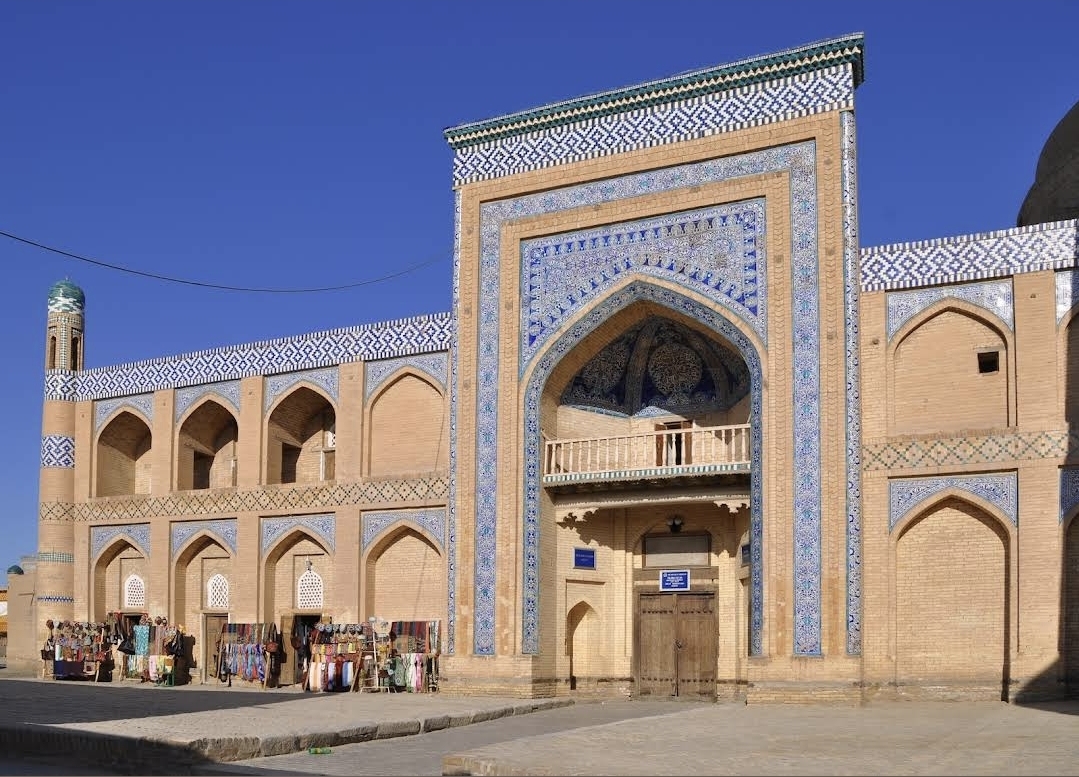 0:00
The Juma Mosque (Friday Mosque)
🎧
Listen Audio Guide
⏱ Working hours: 08.00-19.00
💰 Ticket: 150.000 UZS
📍 Address: https://maps.app.goo.gl/KoBpbh3iTpTmc5Zr8?g_st=ac
The Juma Mosque (Friday Mosque) is located in the very center of Ichan-Kala and dates back to the late 18th century, having been built in 1778–1782 on the site of an older 10th-century structure. Its architectural design is truly unique, lacking traditional portals, domes, or courtyards. The structure is a vast single-story flat-roofed hall whose ceiling is supported by two hundred and thirteen carved wooden pillars. Several of these pillars are genuine masterpieces dating back to the 10th–12th centuries, salvaged from ruined medieval buildings. thank you for your attention
City: Хива
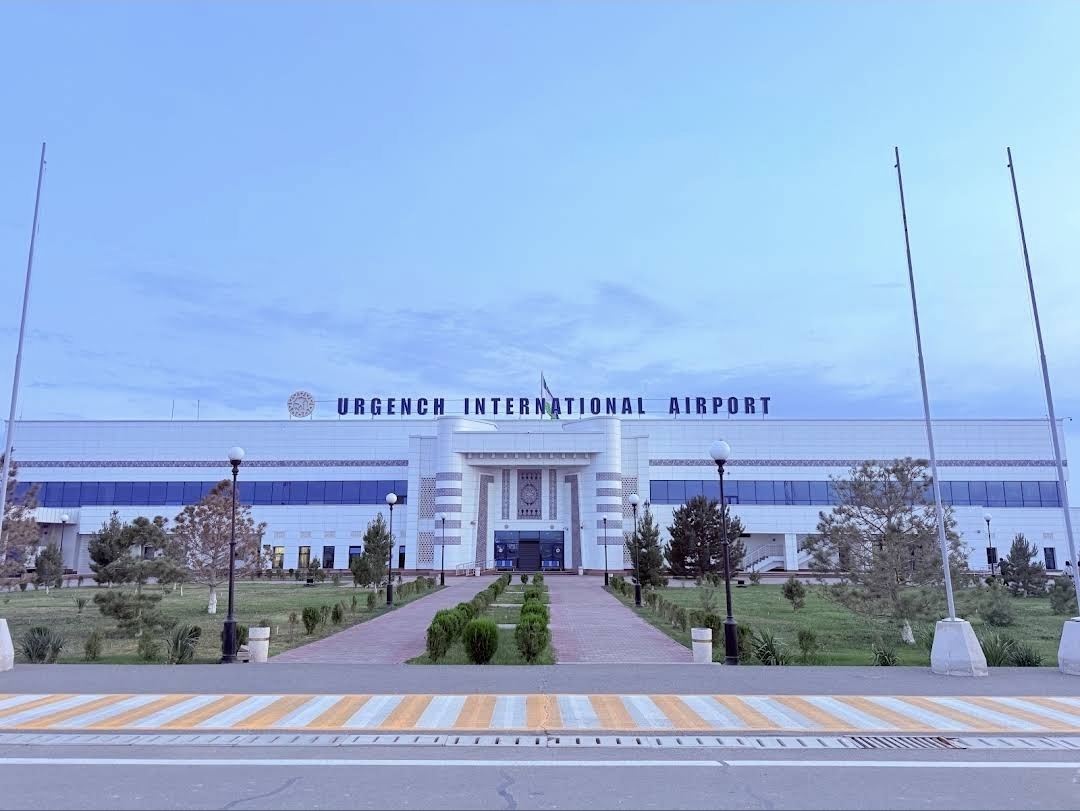 0:00
Urgench International Airport
🎧
Listen Audio Guide
⏱ Working hours: -
💰 Ticket: -
📍 Address: https://maps.app.goo.gl/PFDrv93ozku5oHuV8?g_st=ac
Khiva does not have its own civilian airport directly within the city limits.
To travel to Khiva by air, visitors use Urgench International Airport (UGC), which is located in the neighboring city of Urgench, approximately thirty-five to forty kilometers away from the historic center of Khiva.
Transportation options between Urgench Airport and Khiva:
Railway Connection: A dedicated rail link connects Urgench Airport to Khiva Railway Station, served by modern electric trains. The journey takes about twenty to thirty minutes.
Trains and Electric Buses: Regular electric train routes and modern electric buses also operate, connecting the airport directly with Khiva's tourist attractions.
Car Transfer / Taxi: A taxi or private car ride from Urgench Airport to the ancient walls of Ichan-Kala in Khiva takes an average of thirty to forty minutes via a well-maintained highway.
thank you for your attention to exit press the button
City: Ташкент
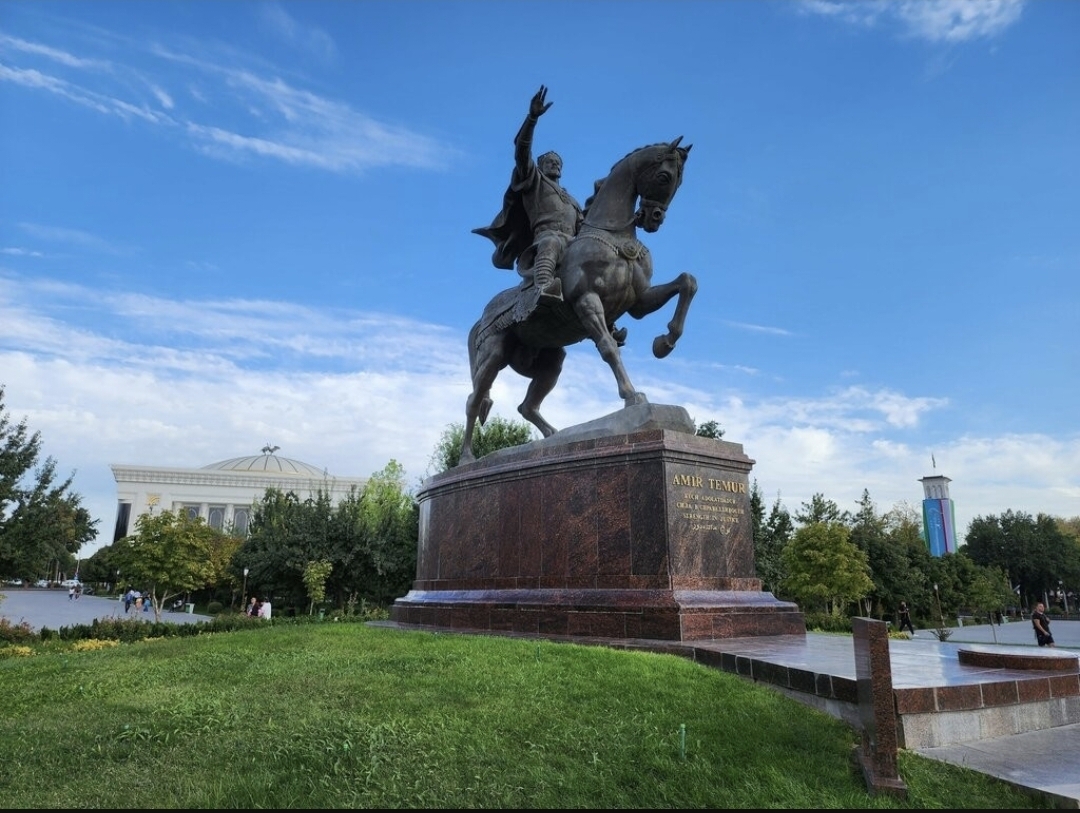 0:00
The Amir Timur Square
🎧
Listen Audio Guide
⏱ Working hours: -
💰 Ticket: -
📍 Address: Сквер Амира Темура
Ташкент, сквер Амира Темура
https://yandex.ru/maps/org/amir_temur_xiyoboni/208410677141
The Amir Timur Square is the historical heart and one of the main landmarks of Tashkent. It was established in eighteen eighty-two by order of General M. Chernyayev during the layout of the city's new district. The square features a distinctive radial-ring layout, with eight grand avenues radiating outward like a fan from the center.
Throughout its history, the square bore different names (such as Konstantinovsky Square and Revolution Square) and hosted various central monuments, including statues of K. P. von Kaufman, Joseph Stalin, and Karl Marx. In the nineteen nineties, the area was redesigned, and a majestic bronze monument to the great commander and statesman Amir Timur—sculpted by Ilkhom Jabbarov—was erected at its center. The pedestal features Timur's famous motto inscribed in four languages: "Strength is in justice".
City: Ташкент
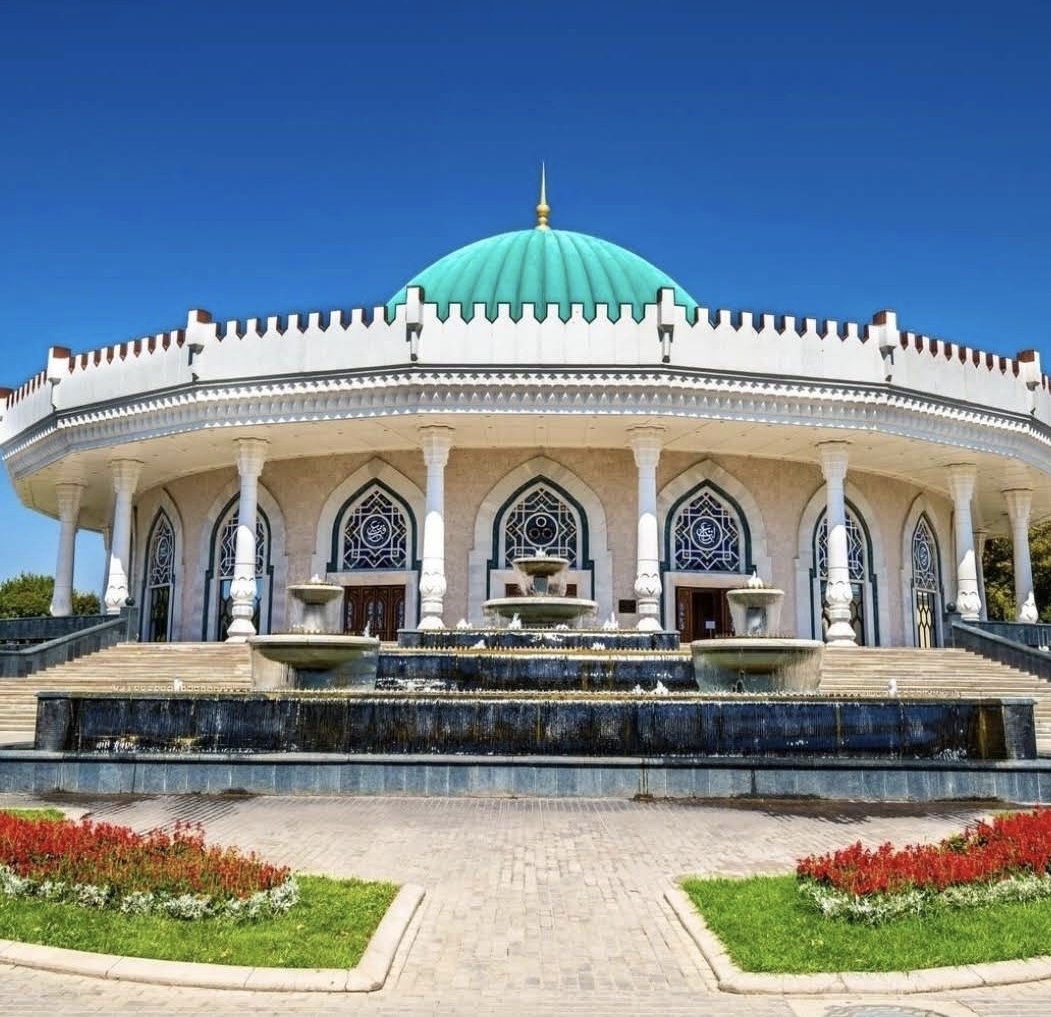 0:00
The State Museum of Timurids History
🎧
Listen Audio Guide
⏱ Working hours: 10.00-17.00
💰 Ticket: 40.000 UZS
📍 Address: https://maps.app.goo.gl/3Cw2RLQejNqUYKAH9?g_st=ac
The State Museum of Timurids History in Tashkent is one of the capital's most prominent cultural landmarks, dedicated to the era of Amir Timur and the ruling Timurid dynasty. Established in nineteen ninety-six to commemorate the 660th anniversary of the great commander's birth, the museum serves as a major center for historical research and exhibition.
Architecture:
The building fuses traditional medieval Eastern architecture with modern design. It features a distinctive circular structure crowned by a magnificent ribbed dome adorned with turquoise majolica tiles. The interior is elegantly finished with white marble, intricate ganch (stucco) carvings, and delicate applications of gold leaf.
Exhibitions & Highlights:
The museum houses over five thousand artifacts reflecting the rich heritage of the 14th to 16th centuries:
City: Хива
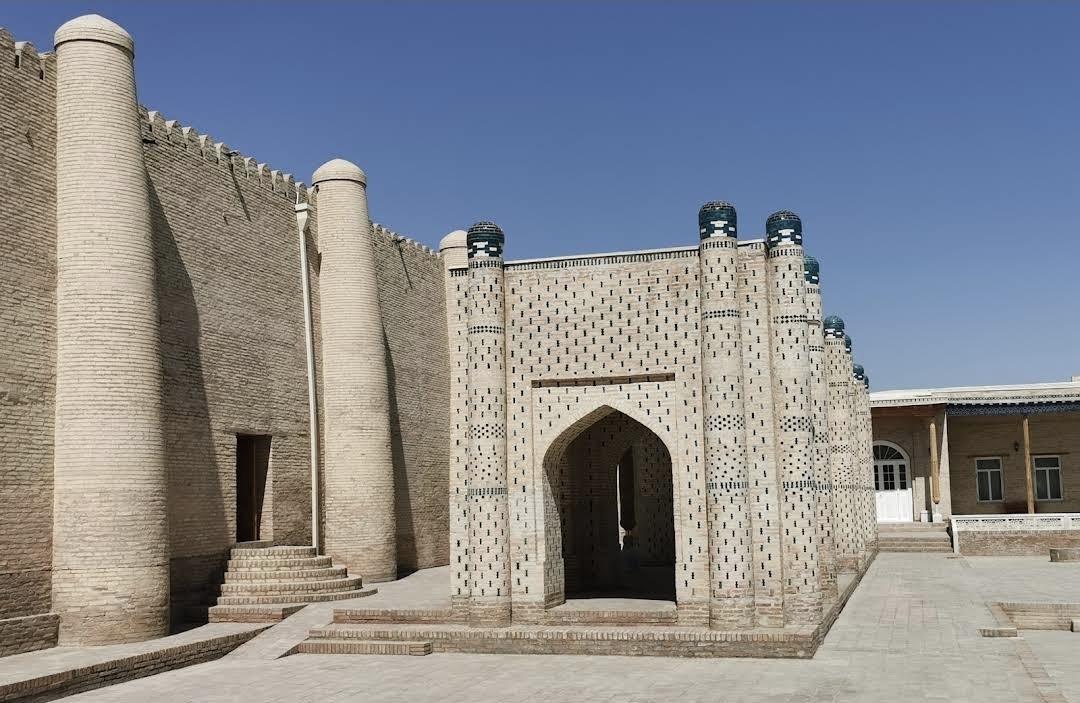 0:00
The Nurullabay Palace
🎧
Listen Audio Guide
⏱ Working hours: 09.00-19.00
💰 Ticket: 50.000 UZS
📍 Address: https://maps.app.goo.gl/TE6aSBkg7DZ8E6ow8?g_st=ac
The Nurullabay Palace is a lavish suburban residence of the Khiva khans, located outside the Ichan-Kala fortress walls in the outer city of Dishan-Kala. The complex was built in the late nineteenth and early twentieth centuries by order of Muhammad Rahim Khan II and his successor Asfandiyar Khan. Its architecture and interiors feature a unique blend of traditional Oriental design and European Art Nouveau elements. Of particular significance are the grand reception halls, decorated with exquisite ganch (stucco) carvings, gold-leaf-trimmed ornaments, and elegant Russian glazed tiles on the fireplaces. thank you for your attention
City: Хива
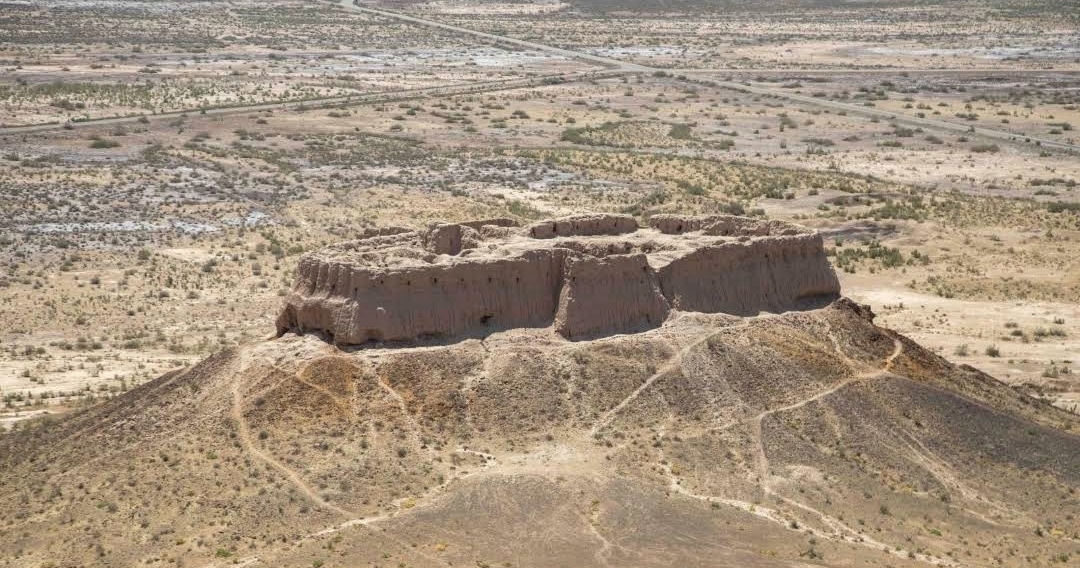 0:00
Ayaz-Kala
🎧
Listen Audio Guide
⏱ Working hours: -
💰 Ticket: -
📍 Address: https://maps.app.goo.gl/cjCNQrqn79UorRDY9?g_st=ac
Ayaz-Kala is one of the most magnificent and picturesque archaeological sites of Ancient Khorezm, located in the Ellikkala District of the Republic of Karakalpakstan, amidst the vast expanses of the Kyzylkum Desert. The name translates as the "Fortress in the Wind". The site comprises the ruins of three powerful citadels built during different historical periods on hilltops and slopes:
Ayaz-Kala 1: The oldest and best-preserved fortress, constructed in the 4th to 3rd centuries BCE to protect the northern borders of the state from nomadic raids. It features rectangular architecture, double adobe walls up to ten meters high, arrowslits, and two-tiered defensive galleries.
Ayaz-Kala 2: A later stronghold built during the Kushan period and expanded in the 5th to 8th centuries CE (Afrigid era). Situated on a conical hill, it features the remains of a monumental palace with vaulted ceilings and an intricate entrance labyrinth.
Ayaz-Kala 3: A vast fortified settlement enclosed by thick walls with towers, housing the ruins of a large ancient palace in its interior.
The hilltops offer breathtaking panoramic views of Lake Ayazkol and the surrounding desert. According to local folklore, the fortress is linked to the legendary figure of Ayaz, a brave shepherd or warrior.
thank you for your attention
City: Хива
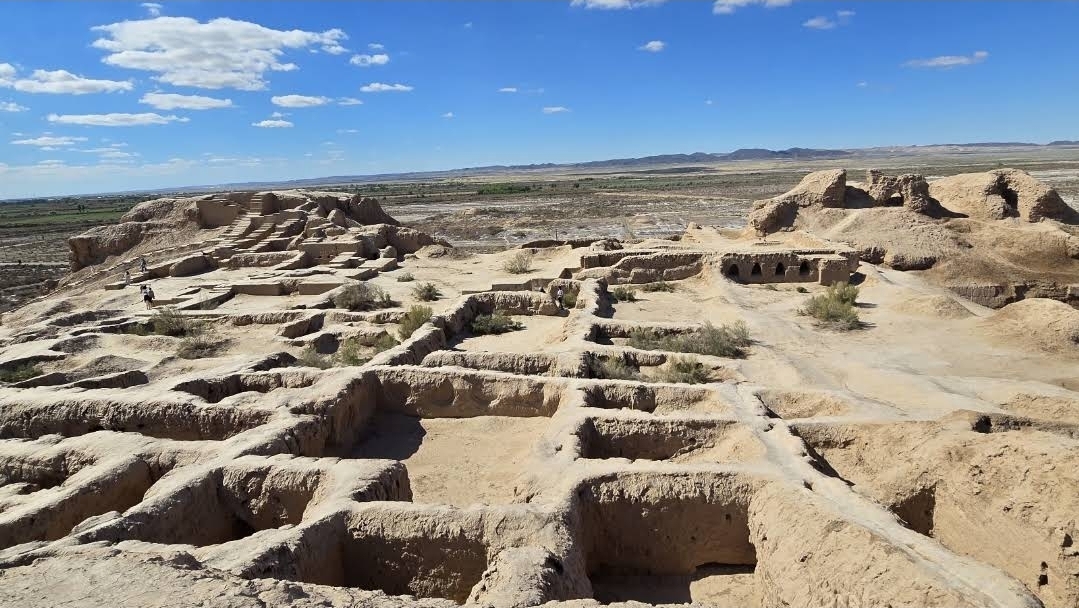 0:00
Toprak-Kala ("Earthen Fortress")
🎧
Listen Audio Guide
⏱ Working hours: -
💰 Ticket: -
📍 Address: https://maps.app.goo.gl/DNsEMdK796WZRbUq7?g_st=ac
Toprak-Kala ("Earthen Fortress") is an outstanding archaeological site of ancient Khorezm dating from the 1st to the 6th century CE, located in the Ellikkala District of Karakalpakstan. In the 3rd century CE, it served as the capital of the Khorezmian state. The ancient city was discovered in 1938 by the prominent archaeologist Sergey Tolstov.
The city features a strictly regular grid plan with straight streets dividing it into distinct residential and administrative blocks. The core of the site was the monumental Grand Palace Complex, which rose up to forty meters and contained around 150 rooms and halls. Archaeological excavations yielded rare ancient Khorezmian documents written on wood and leather, intricate wall paintings, sculptures, and ceremonial chambers such as the Hall of Dancing Masks. Toprak-Kala remains a masterpiece of urban planning and artistry from the ancient civilization of the lower Amu Darya. thank you for your attention
City: Хива
0:00
The Museum of the History of Khorezm
🎧
Listen Audio Guide
⏱ Working hours: 09.00-19.00
💰 Ticket: 40.000 UZS
📍 Address: https://maps.app.goo.gl/QgmpBX5hJzWFuudGA
The Museum of the History of Khorezm named after Al-Khwarizmi and Beruni is dedicated to the lives, scientific discoveries, and great legacy of prominent figures from the Khorezm region—the mathematician and astronomer Muhammad al-Khwarizmi and the polymath Abu Rayhan al-Biruni. The exhibition features ancient mathematical treatises, medieval astronomical instruments, maps, manuscripts, and archaeological findings illustrating the contribution of Eastern scholars to world science. thank you for your attention
City: Хива
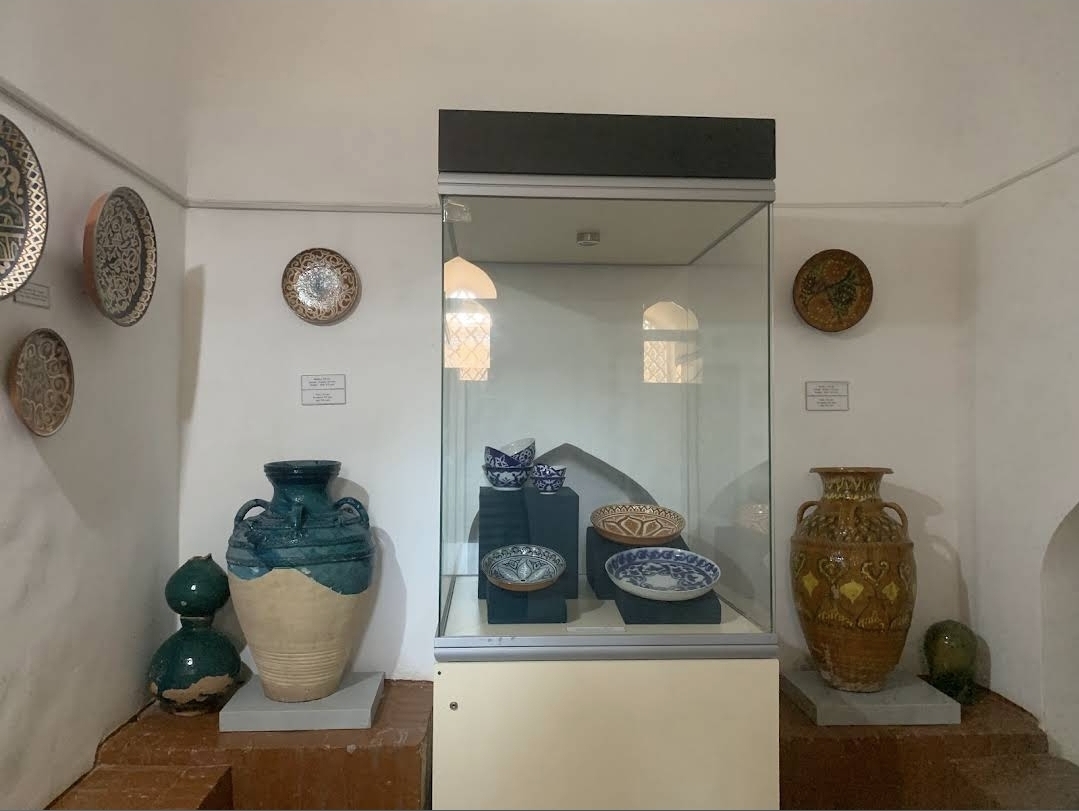 0:00
The Museum of Applied Art and Everyday Life of Khiva
🎧
Listen Audio Guide
⏱ Working hours: 09.00-18.00
💰 Ticket: 40000 UZS
📍 Address: https://maps.app.goo.gl/96pJdnXBuzUQK6PA6?g_st=ac
Xiva amaliy sanʼati va turmush tarzi muzeyi Xorazmning boy hunarmandchilik anʼanalari va moddiy madaniyatini oʻz ichiga oladi. Madrasaning sobiq hujralarida Xivaning mashhur oʻymakor yogʻoch buyumlari, qoʻlda toʻqilgan gilamlar va suzanalar, milliy zargarlik buyumlari, milliy liboslar, shuningdek, XIX–XX asrlarga oid sirkor kulolchilik namunalari va misgarlik buyumlari namoyish etilmoqda. e'tiboringiz uchun rahmat
City: Хива
0:00
The Museum of Khorezm Music History
🎧
Listen Audio Guide
⏱ Working hours: 09.00-19.00
💰 Ticket: 40.000 UZS
📍 Address: https://maps.app.goo.gl/5oGvvSZRANZtHWbq9?g_st=ac
The Museum of Khorezm Music History highlights the unique musical traditions of the region, renowned for its classical folklore and ancient makom art. The collection features traditional national musical instruments (such as the dutar, tanbur, ghijak, doyra, karnai, and surnai), sheet music collections, rare photographs of folk musicians and bakhshi (epic storytellers), and historical materials detailing the evolution of musical culture in the area. thank you for your attention
City: Хива
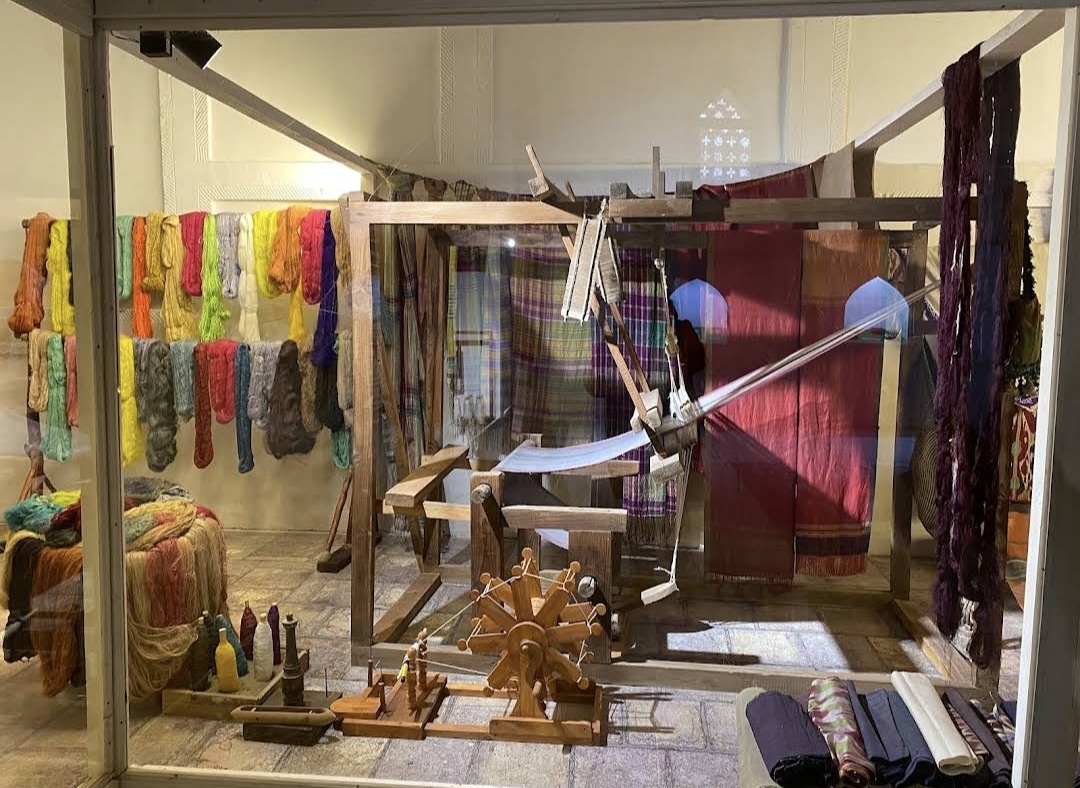 0:00
The Silk History Museum
🎧
Listen Audio Guide
⏱ Working hours: 09.00-19.00
💰 Ticket: 30,000 UZS
📍 Address: https://maps.app.goo.gl/qiugYyckAy3HB3pb6?g_st=ac
The Silk History Museum (Silk Museum) is located in Khiva near the historic Ichan-Kala area (on Boyaqchilar Street). It is an engaging interactive space dedicated to the ancient traditions of sericulture and silk production in the Khorezm region.
Visitor Experience: Admission is around 30,000 sums, which typically includes a warm welcome with tea and sweets (paying homage to the legend of the Chinese empress discovering silk under a mulberry tree) alongside interactive masterclasses.
Highlights: Guests can observe raw silk cocoons being processed into delicate threads, learn about natural dyeing techniques, watch artisans at work, and even try operating a traditional handloom themselves.
thank you for your attention
City: Хива
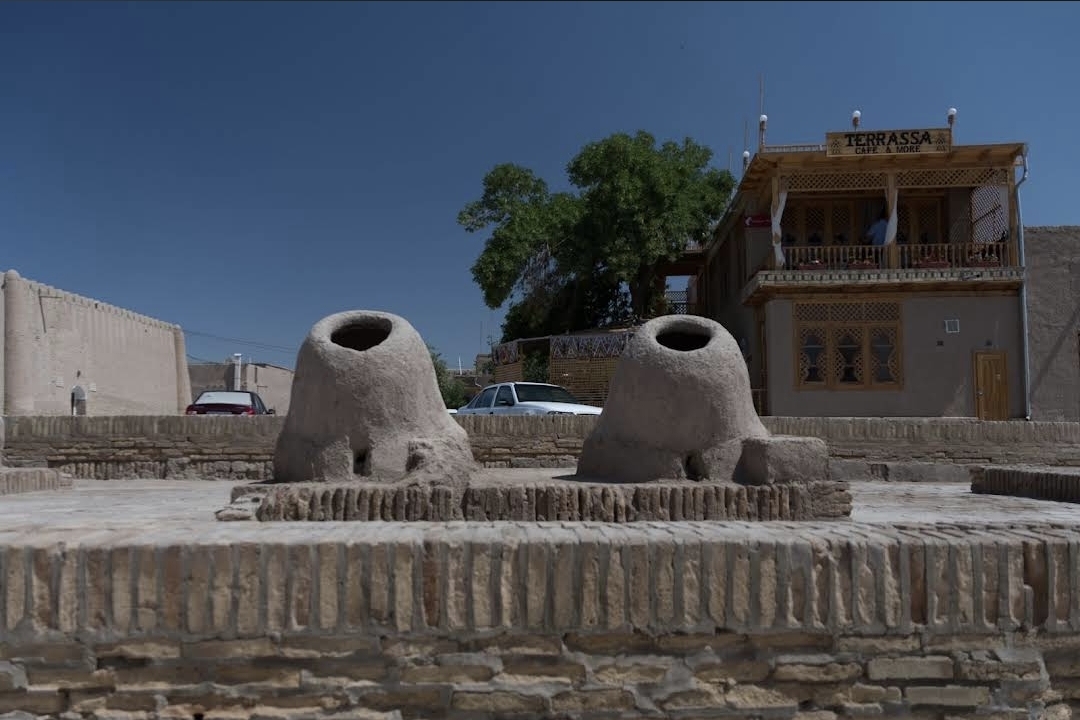 0:00
The Zindan (Prison)
🎧
Listen Audio Guide
⏱ Working hours: 09.00-19.00
💰 Ticket: -
📍 Address: https://maps.app.goo.gl/9CbFFjaykF8JTWTJA?g_st=ac
The Zindan (Prison) in Khiva is a 19th-century historical prison building located within the historic Ichan-Kala fortress, close to the western gate and the Kunya-Ark citadel. The prison complex was constructed in 1855–1856 by order of the Khiva ruler Muhammad Kuli-bek.
Architecture & Layout: The complex is surrounded by a high, fortified mud-brick wall designed to prevent escapes. It was traditionally divided into two sections: administrative rooms for guards and officials, and the secure detention area containing prison cells. These included both regular barred cells and deep underground pit-prisons ("kutu") where dangerous criminals or debtors were lowered in complete darkness, cramped conditions, and harsh temperatures.
Museum Exhibit: Today, the Zindan serves as a museum displaying exhibitions dedicated to the judicial and penal system of the former Khiva Khanate. Inside the cells, lifelike mannequins realistically recreate the grim conditions of prisoners and the punitive practices of the era.
thank you for your attention
City: Бухара
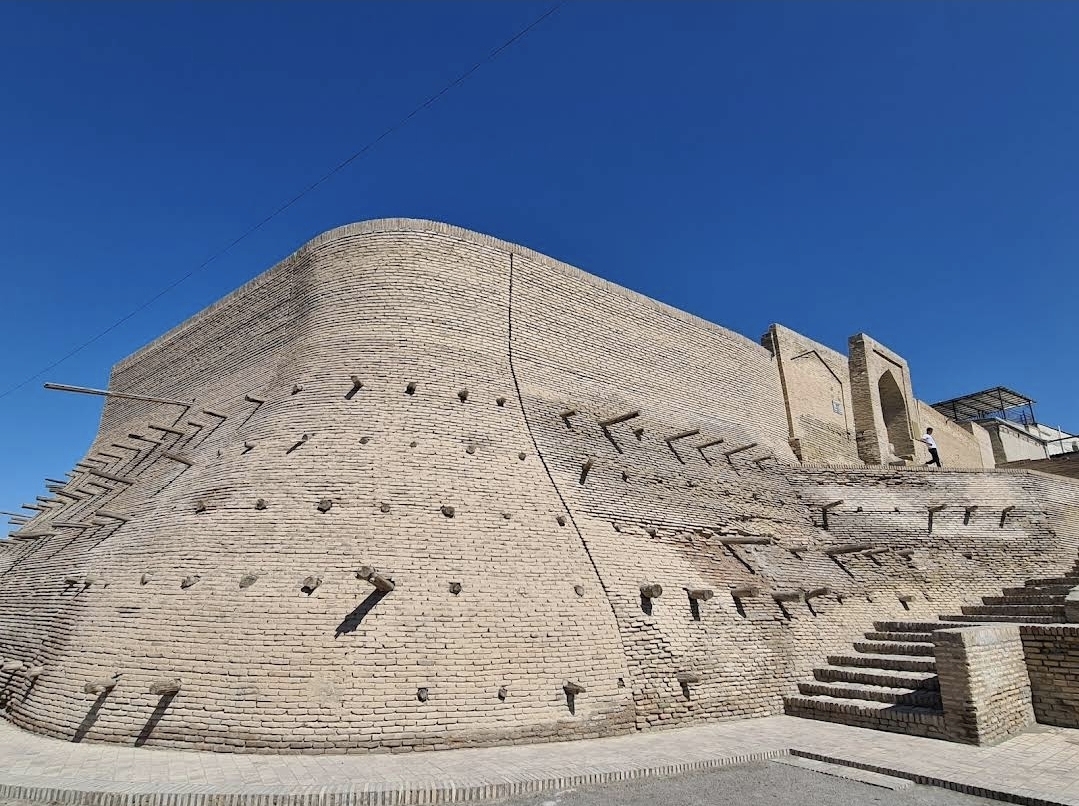 0:00
The Zindan (Emir’s Prison)
🎧
Listen Audio Guide
⏱ Working hours: 09.00-20.00
💰 Ticket: 20,000 UZS
📍 Address: https://maps.app.goo.gl/W5FRk2V9QQnE1YYi9?g_st=ac
The Zindan (Emir’s Prison) in Bukhara is an 18th-century historical prison complex located just a short distance northeast of the Ark citadel. The word "zindan" translates from Persian as an underground dungeon or prison.
Architecture & Layout: The structure resembles a small, fortified stronghold with thick brick walls. It included above-ground cells for debtors and petty offenders, as well as its most notorious feature: the underground pit prison (known as a "black hole") measuring about 6.5 meters deep and 5 meters wide. Inmates and their food were lowered into this pitch-black, freezing pit using ropes. The courtyard also houses the shrine of Kuchkar-Ata, revered as a patron of prisoners.
Museum Exhibit: Today, the former prison operates as the Museum of Law and Justice of the Bukhara Emirate (late 19th to early 20th centuries). Lifelike mannequins inside the cells realistically recreate the grim penal conditions and judicial practices of the era. The admission fee for international visitors is 20,000 sums.
thank you for your attention
City: Самарканд
 0:00
The Islam Karimov Memorial Museum
🎧
Listen Audio Guide
⏱ Working hours: 10.00-17.00
💰 Ticket: 40.000 UZS
📍 Address: https://maps.app.goo.gl/QZ3DjQkZh5aVWLaWA?g_st=ac
The Islam Karimov Memorial Museum is located within the historical "Oksaray" residence in Samarkand, the politician's hometown. The exhibition is divided into sections illustrating his life, career, the historical milestones of Uzbekistan’s independence, and his contribution to state-building. The displays feature personal belongings, archival documents, photographs, and publications. thank you for your attention
City: Ташкент
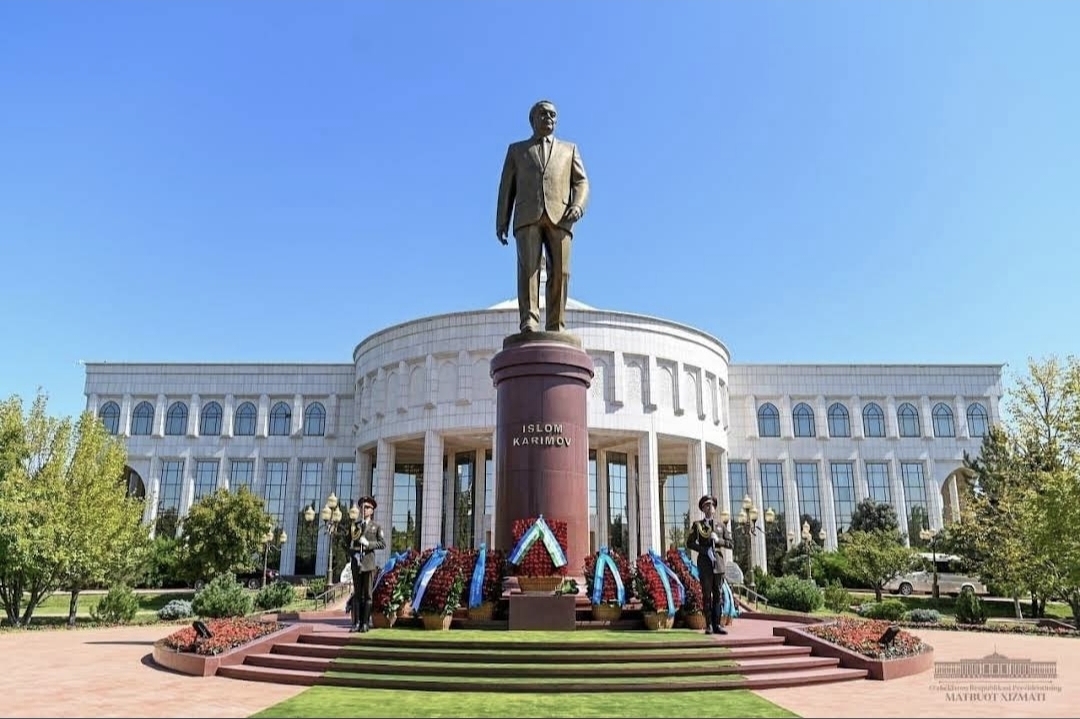 0:00
The Islam Karimov Memorial Museum The Islam Karimov Memorial Museum
🎧
Listen Audio Guide
⏱ Working hours: 08.30-21.00
💰 Ticket: 40.000 UZS
📍 Address: https://maps.app.goo.gl/arpcFWbaXSFH6PC26?g_st=ac
The Islam Karimov Memorial Museum. The exhibition is divided into sections illustrating his life, career, the historical milestones of Uzbekistan’s independence, and his contribution to state-building. The displays feature personal belongings, archival documents, photographs, and publications. thank you for your attention to exit press the button
City: Самарканд
 0:00
The Museum of Winemaking at the Khovrenko Winery
🎧
Listen Audio Guide
⏱ Working hours: 09.00-18.00
💰 Ticket: 40.000 UZS
📍 Address: https://maps.app.goo.gl/E8P4grwAWTg2ePEz5?g_st=ac
The Museum of Winemaking at the Khovrenko Winery in Samarkand is located at Central Asia’s oldest winery, established in the late eighteen sixties by the Russian merchant and winemaker Dmitry Filatov. The enterprise was later named after Professor Mikhail Khovrenko, a pioneering Russian chemist and winemaker. The museum is housed in Filatov’s historical residence.
Exhibition & History: The museum showcases rare exhibits tracing over one hundred and fifty years of winemaking history in the region, including vintage photographs, early winemaking tools, historical documents, and prestigious medals won by Samarkand wines at international exhibitions.
Wine Tasting Experience: A highlight of the visit is the guided tasting session. In the atmospheric tasting hall, visitors can sample a curated selection of local dry, semi-sweet, fortified, and dessert wines produced from unique indigenous and European grape varieties grown in the fertile soils of the Samarkand oasis.
thank you for attention
City: Ташкент
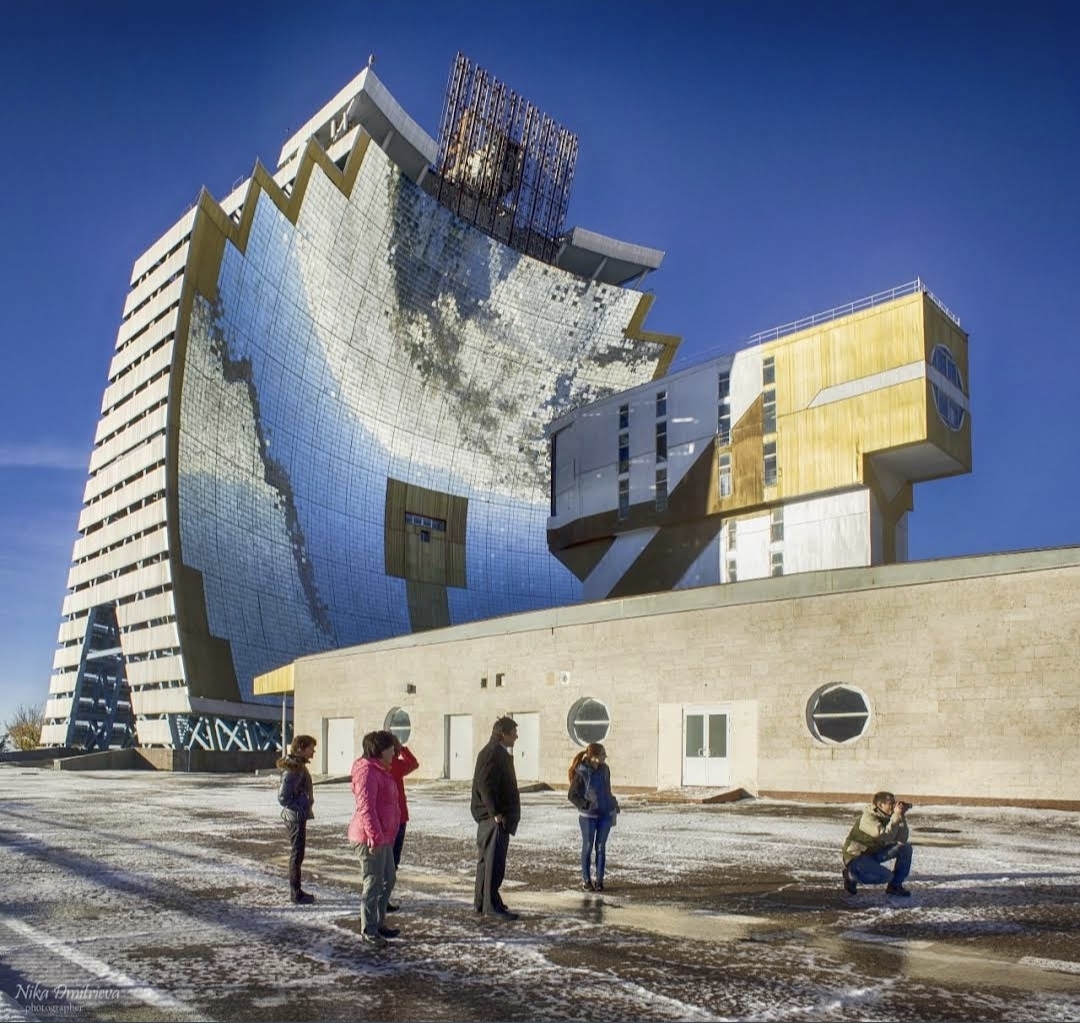 0:00
The Sun Institute (officially the Institute of Ma
🎧
Listen Audio Guide
⏱ Working hours: 08.00-20.00
💰 Ticket: 60.000 UZS
📍 Address: https://maps.app.goo.gl/cNWZAc1MZouQ4FNY9?g_st=ac
The Sun Institute (officially the Institute of Materials Science of the SPA "Physics-Sun" of the Academy of Sciences of Uzbekistan) is a unique research facility and one of only two such complexes in the entire world (with a counterpart in France). It is nestled in the picturesque foothills of the Tien Shan Mountains in the Parkent District of the Tashkent Region, roughly forty-five to fifty kilometers from Tashkent, at an altitude of about eleven hundred meters above sea level.
History & Construction: The scientific complex was constructed in the nineteen eighties, with the landmark Big Solar Furnace (BSF) officially commissioned in nineteen eighty-seven to conduct advanced high-temperature research and materials testing.
The Big Solar Furnace: Featuring a capacity of one megawatt, the facility consists of a massive parabolic mirror concentrator and a giant flat-mirror field (heliostats) that tracks the sun automatically, focusing concentrated solar beams onto the furnace bowl.
City: Бухара
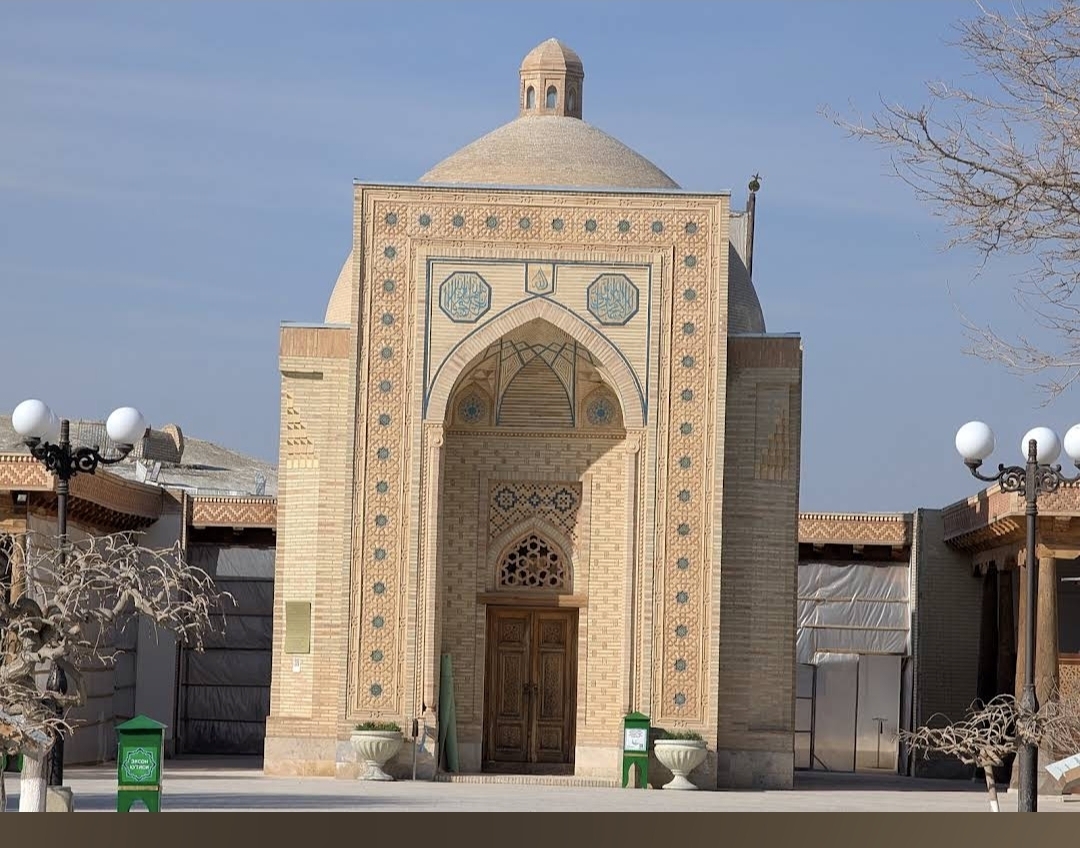 0:00
Khoja Muhammad Arif Fagnavi
🎧
Listen Audio Guide
⏱ Working hours: 08.00-19.00
💰 Ticket: -
📍 Address: https://maps.app.goo.gl/LT4gE8xzV5oAHiAA8?g_st=ac
Khoja Muhammad Arif Fagnavi was a prominent 13th-century Islamic Sufi saint and a vital spiritual master in the golden lineage of the Naqshbandi order. Born in the village of Fagnak near Bukhara, he made a profound contribution to Sufi practice by introducing the vocal (audible) dhikr (remembrance of God), arguing that it more effectively awakens the hearts of seekers from worldly heedlessness. His sacred memorial site remains a revered destination for pilgrims and travelers exploring the holy Sufi trails of Bukhara. thank you for your attention
📭 No objects found for your request.