🗺 GoRoutes.uz
💬 Launch Telegram Bot✨ Welcome to the Great Silk Road!
Discover ancient cities across Uzbekistan with your personal audio guide. All landmarks along the routes are arranged in a convenient location-based sequence.
City: Хива
 0:00
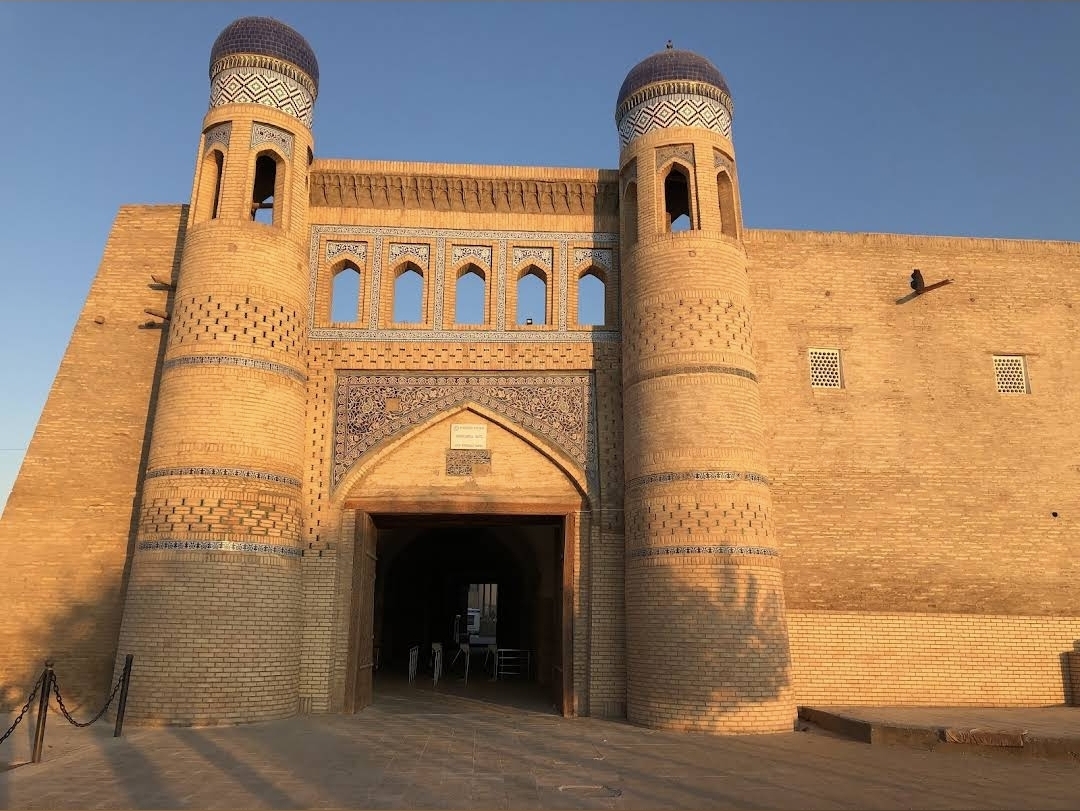
Palvan-Darvaza
🎧
Listen Audio Guide
⏱ Working hours: 08.00-19.00
💰 Ticket: 150.000 UZS
📍 Address: https://maps.app.goo.gl/GDx9XMCUyAPUPGgDA?g_st=ac
Palvan-Darvaza is the main eastern gate of the historic Ichan-Kala citadel in Khiva, constructed between 1804 and 1806. It was named in honor of Pakhlavan Mahmud, a local poet, philosopher, and legendary wrestler revered as the patron saint of the city ("Palvan" means "hero" or "fighter"). The architectural layout features an arched portal that extends into a long covered gallery ("dash-kucha") with a chain of six domes and traditional trading stalls inside. Historically, due to its location, the gate was also known as "Kul-darvaza" (Slave Gate) because a slave market operated nearby until 1873, and "Pashshab-darvaza" (Execution Gate) as khans' decrees and sentences were publicly announced and carried out here. thank you for your attention
City: Хива
 0:00
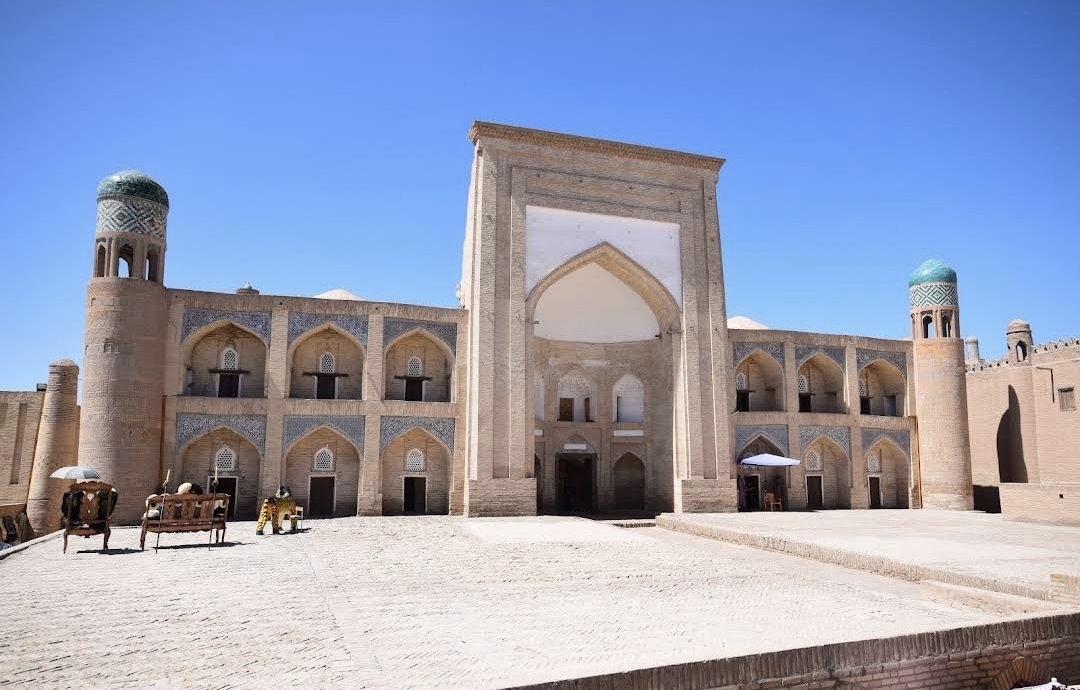
The Allakuli Khan Madrasah
🎧
Listen Audio Guide
⏱ Working hours: 08.00-19.00
💰 Ticket: 150.000 UZS
📍 Address: https://maps.app.goo.gl/WzXT4sGFHTWudYpu7?g_st=ac
The Allakuli Khan Madrasah in the historic center of Ichan-Kala (Khiva) was built between eighteen thirty-four and eighteen thirty-five by order of ruler Allakuli Khan. To construct it, a section of the Ichan-Kala fortress wall and parts of the Palvan-Darvaza gates were dismantled, forming a traditional "kosh" architectural pairing opposite the Kutlug Murad Inak Madrasah. The facade is richly decorated with traditional Khorezm majolica in black, white, and blue tones. In the nineteenth century, the ground floor of the madrasah housed the city library. The admission fee for visitors is fifty thousand sums. thank you for your attention
City: Хива
 0:00
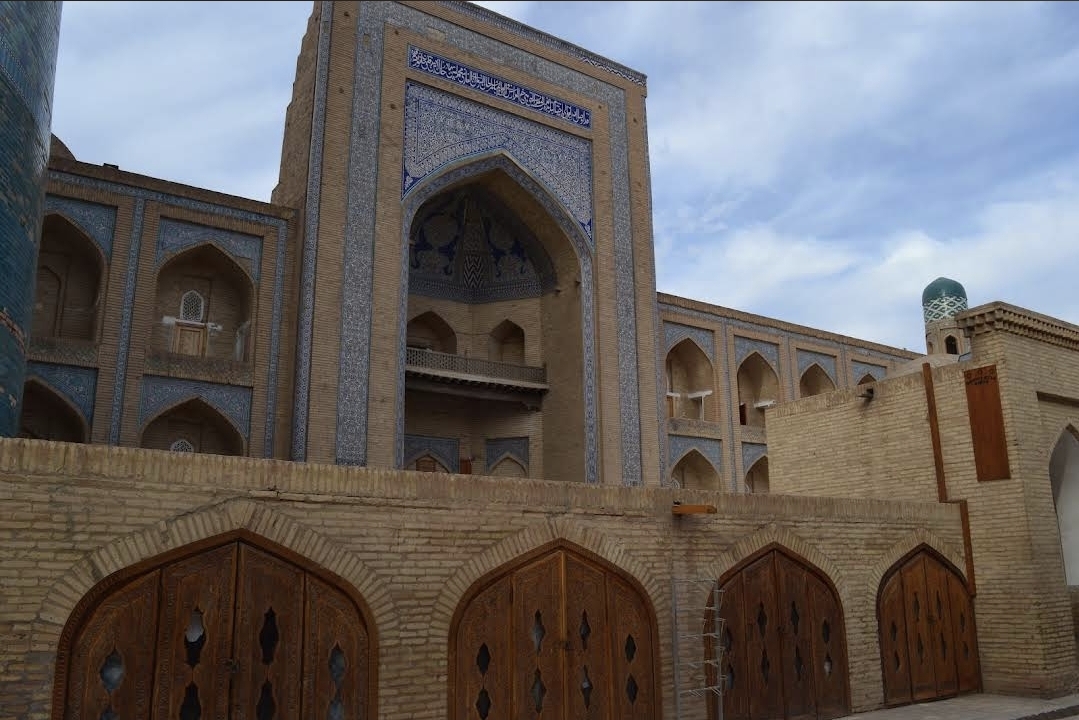
The Allakuli Khan Caravanserai
🎧
Listen Audio Guide
⏱ Working hours: 08.00-19.00
💰 Ticket: 150.000 UZS
📍 Address: https://maps.app.goo.gl/sGb5opNGqsaZL4g77?g_st=ac
The Allakuli Khan Caravanserai in Khiva was built in eighteen thirty-two to eighteen thirty-three by order of ruler Allakuli Khan, located near the eastern Palvan-Darvaza gates and adjacent to his madrasah complex. It served as the primary commercial and logistical hub of the medieval city, designed to accommodate merchants and caravans traveling along the Silk Road. The two-story building features a spacious central courtyard, over one hundred rooms (hujras) on the second floor for lodging traders, and storage spaces for goods on the ground floor. Today, this architectural landmark is the only completely preserved caravanserai of the former Khiva Khanate. thank you for your attention
City: Хива
 0:00
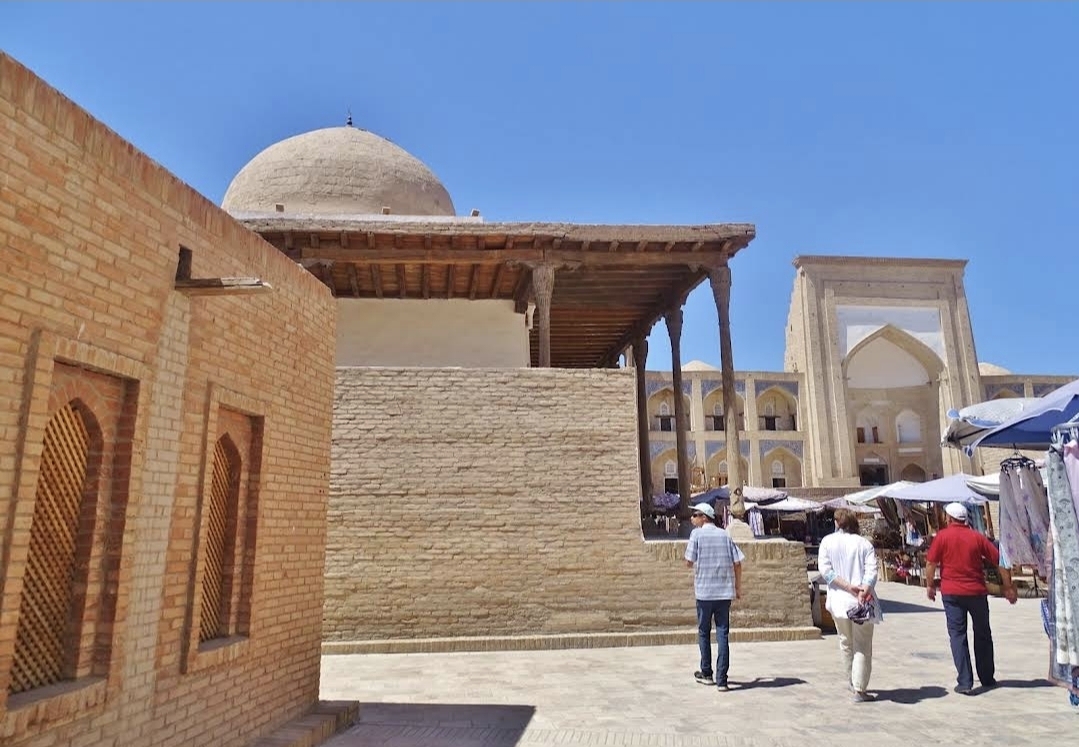
The Ak Mosque (White Mosque)
🎧
Listen Audio Guide
⏱ Working hours: 08.00-19.00
💰 Ticket: 150.000 UZS
📍 Address: https://maps.app.goo.gl/UfyjduQSmRY5MWb67?g_st=ac
The Ak Mosque (White Mosque) is located in the historical center of Ichan-Kala near the eastern Palvan-Darvaza gates. It was built between eighteen thirty-eight and eighteen forty-two under Allah Kuli Khan on the foundations of older 17th-century structures. This small quarter mosque consists of a square domed prayer hall surrounded on three sides by an open-air iwan (portico). Its white walls, elegant carved wooden columns, and traditional ornaments give the building a unique sense of lightness and harmony. thank you for your attention
City: Хива
 0:00
The Kutlug Murad Inak Madrasah
🎧
Listen Audio Guide
⏱ Working hours: 08.00-19.00
💰 Ticket: 150.000 UZS
📍 Address: https://maps.app.goo.gl/53496XrXuNvjpAXg6?g_st=ac
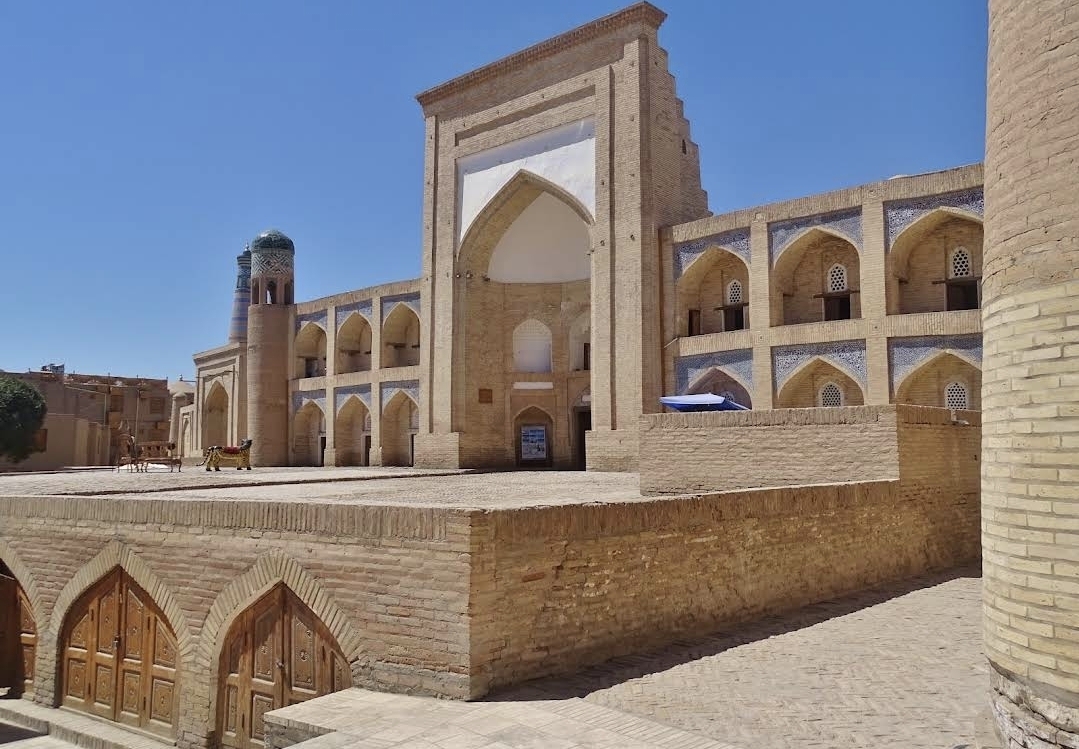
The Kutlug Murad Inak Madrasah was constructed in Ichan-Kala between eighteen four and eighteen twelve. It is notable as Khiva's first two-story madrasah, built following traditional architectural canons. According to historical records and the final wish of Kutlug Murad Inak, the noble patron behind its construction, he was buried beneath the floor of the building's main entrance vestibule (miyonsaroy). The facade is exquisitely decorated with traditional majolica and geometric patterns. thank you for your attention
City: Хива
 0:00
The Tash-Khovli Palace ("Stone Courtyard")
🎧
Listen Audio Guide
⏱ Working hours: 08.00-19.00
💰 Ticket: 150.000 UZS
📍 Address: https://maps.app.goo.gl/7d9ebhvVKJGVMufw7?g_st=ac
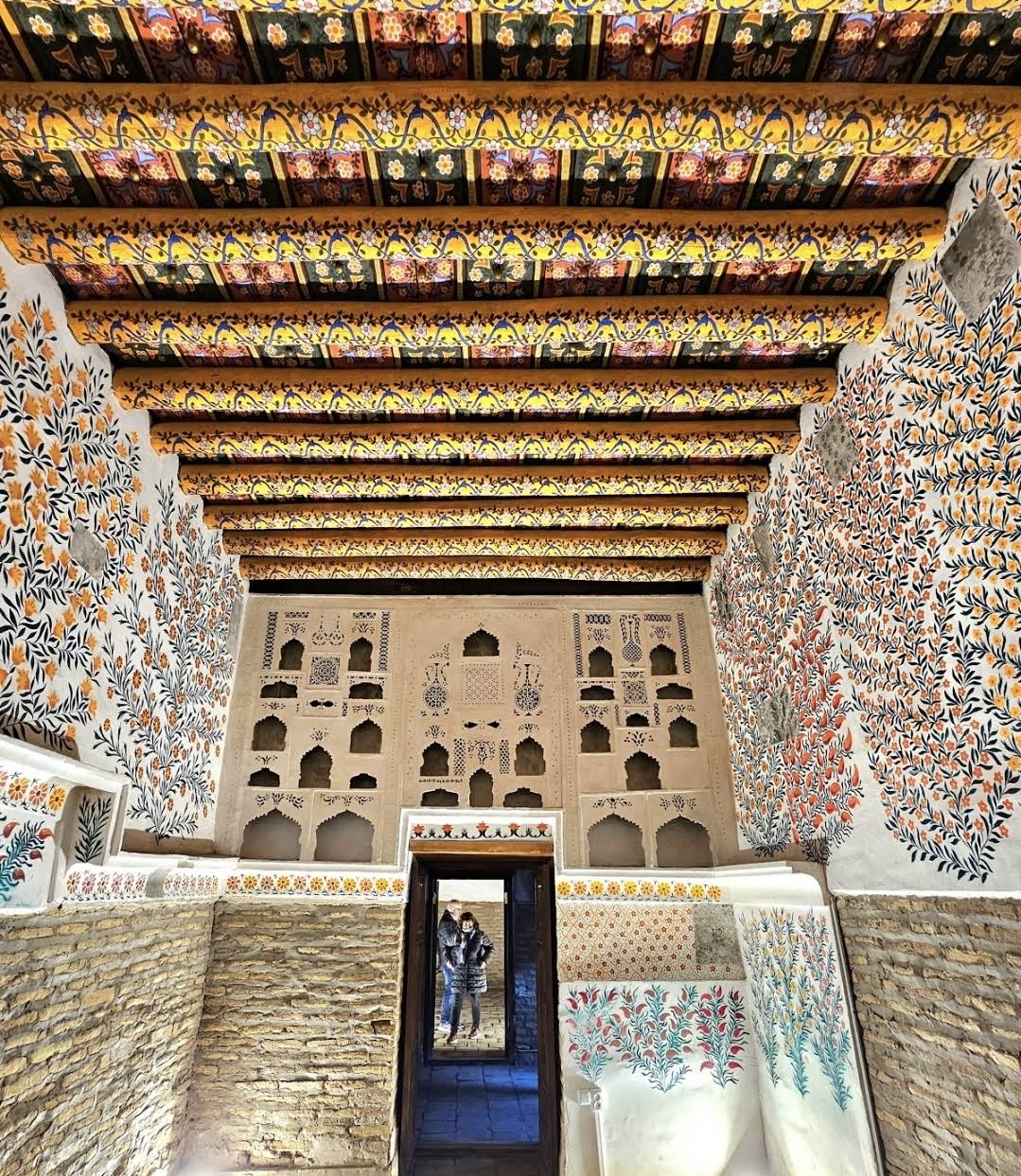
The Tash-Khovli Palace ("Stone Courtyard") in Khiva is a grandiose nineteenth-century palace complex that served as the main residence of the Khiva khans. It was built by order of ruler Allakuli Khan between eighteen thirty and eighteen thirty-eight. The name reflects the fact that, unlike the mud-brick structures of that era, it was constructed from high-quality fired bricks.
The architectural ensemble covers an area of over one and a half hectares and is divided into three main functional zones connected by a labyrinth of corridors: the Harem (the northern section featuring five magnificent iwans for the khan and his four wives), Ishrat-Khovli (the reception and celebration courtyard), and Arz-Khovli (the court of justice and official audiences). The palace interiors and facades feature intricate blue-and-white majolica with floral and geometric patterns, carved wooden pillars, and painted ceilings. thank you for your attention
City: Хива
 0:00
The Juma Mosque (Friday Mosque)
🎧
Listen Audio Guide
⏱ Working hours: 08.00-19.00
💰 Ticket: 150.000 UZS
📍 Address: https://maps.app.goo.gl/KoBpbh3iTpTmc5Zr8?g_st=ac
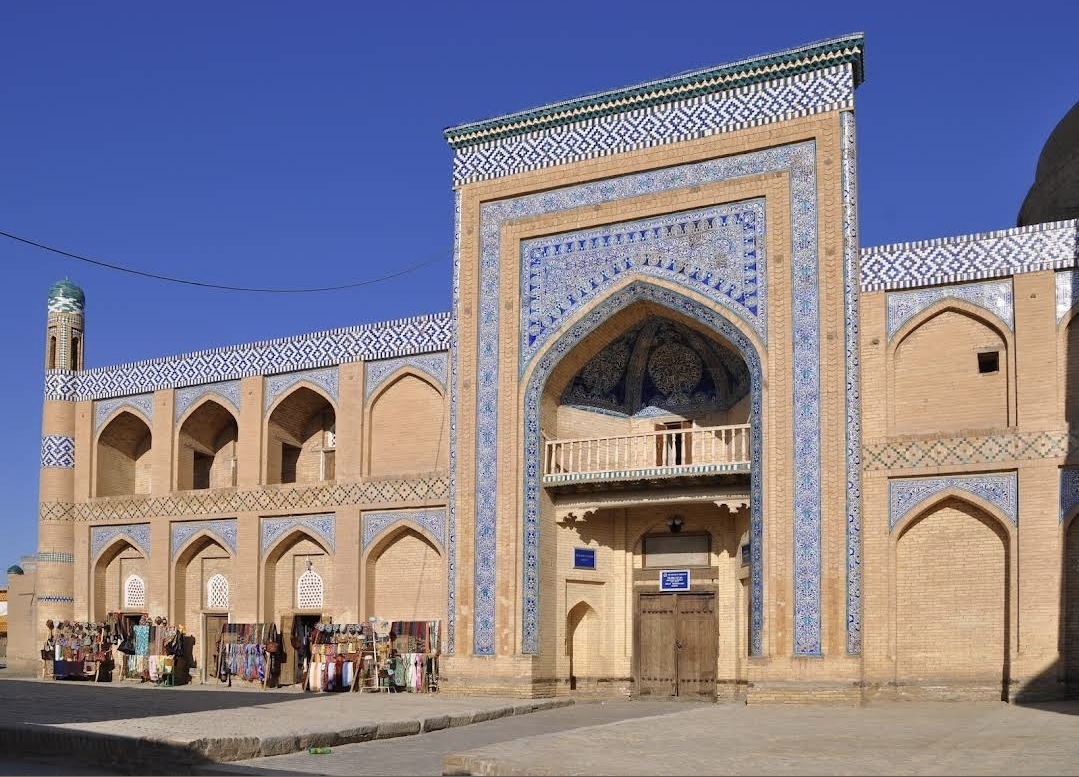
The Juma Mosque (Friday Mosque) is located in the very center of Ichan-Kala and dates back to the late 18th century, having been built in 1778–1782 on the site of an older 10th-century structure. Its architectural design is truly unique, lacking traditional portals, domes, or courtyards. The structure is a vast single-story flat-roofed hall whose ceiling is supported by two hundred and thirteen carved wooden pillars. Several of these pillars are genuine masterpieces dating back to the 10th–12th centuries, salvaged from ruined medieval buildings. thank you for your attention
City: Хива
 0:00
The Pahlavan Mahmoud Mausoleum
🎧
Listen Audio Guide
⏱ Working hours: 08.00-19.00
💰 Ticket: 150.000 UZS
📍 Address: https://maps.app.goo.gl/BHNQMJSYYEg8jvHU6?g_st=ac
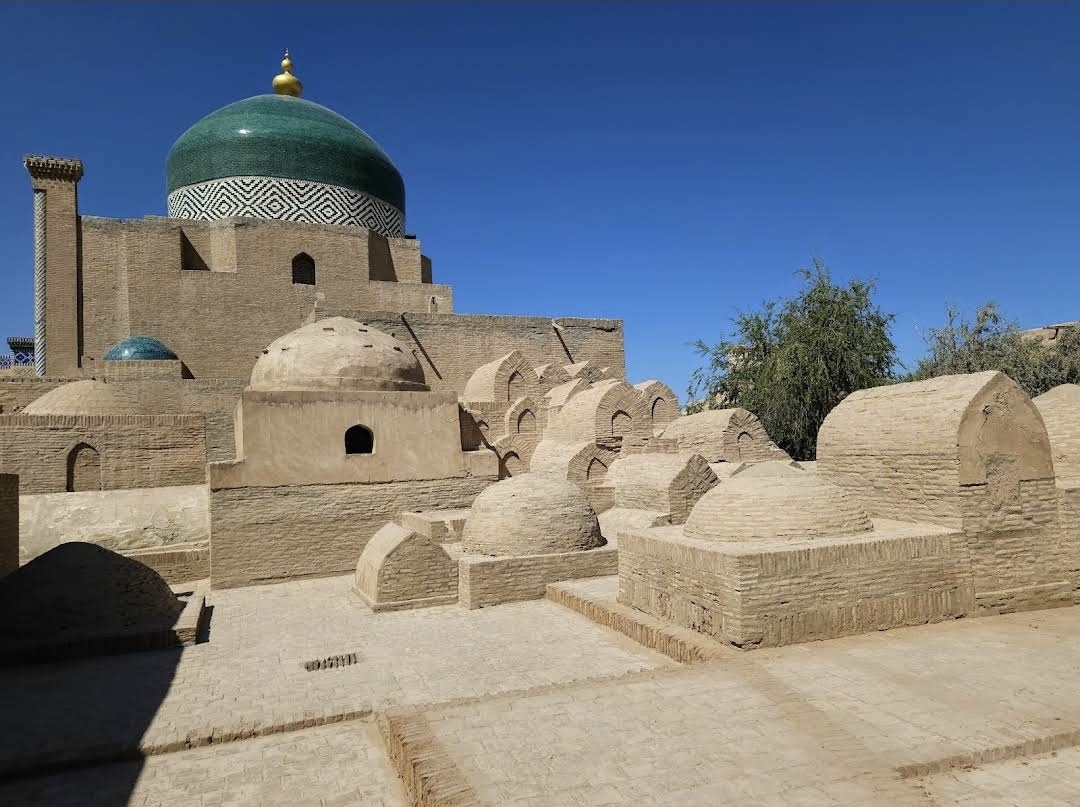
The Pahlavan Mahmoud Mausoleum in the historic center of Ichan-Kala (Khiva) is a memorial complex dedicated to the 13th-century national hero, poet, philosopher, and legendary wrestler Pakhlavan Mahmud, who is revered as the patron saint of the city. According to his will, he was buried in his own workshop courtyard, around which a magnificent architectural ensemble developed between the 17th and 19th centuries.
The standout feature of the complex is its grand turquoise-glazed dome with a gilded peak, making it the largest dome in Khiva. The interiors of the tomb stun visitors with exquisite hand-painted blue-and-teal majolica tiles, intricate wood carvings, and verses written by the poet himself. Over time, the mausoleum also became the royal burial ground for rulers of the Khiva Khanate, including Muhammad Rahim Khan I and Abulgazi Khan. thank you for your attention
City: Хива
 0:00
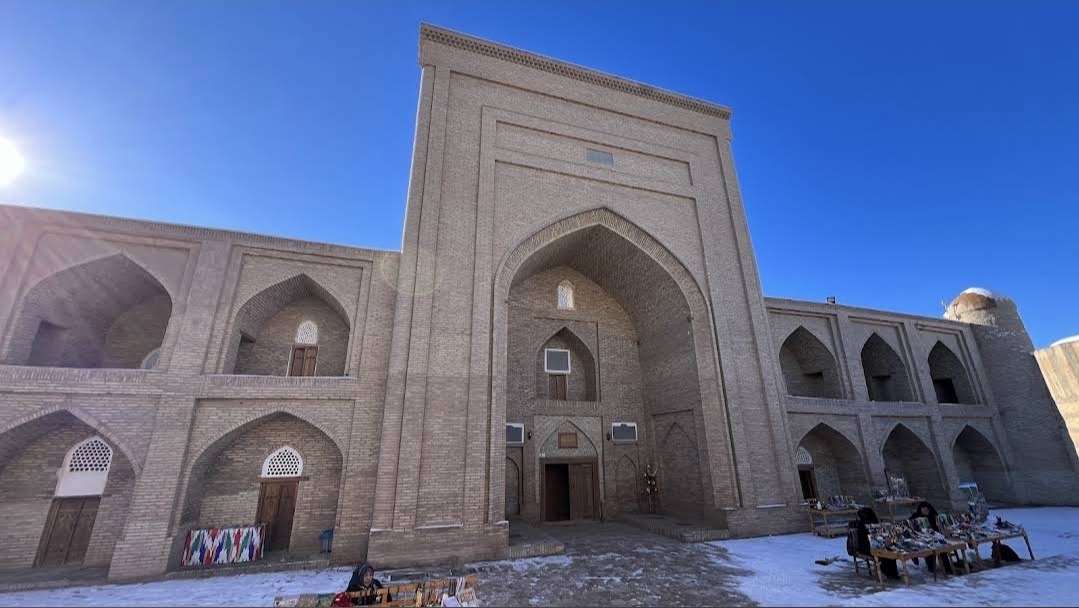
The Shirgazi-Khan Madrasah
🎧
Listen Audio Guide
⏱ Working hours: 08.00-18.00
💰 Ticket: 150.000 UZS
📍 Address: https://maps.app.goo.gl/qVSZuSDAD4GR81kn7?g_st=ac
The Shirgazi-Khan Madrasah was built in Ichan-Kala between seventeen nineteen and seventeen twenty-six by order of the ruler of Khiva. Due to its high educational standards, the institution earned the poetic name "Maskan-i fazilan," meaning "Abode of Scholars". Its walls educated prominent cultural figures and poets of the region, including the classic Turkmen poet Magtymguly, Karakalpak poet Ajiniyaz, and thinker Beket-ata. thank you for your attention to exit press the button
City: Хива
 0:00
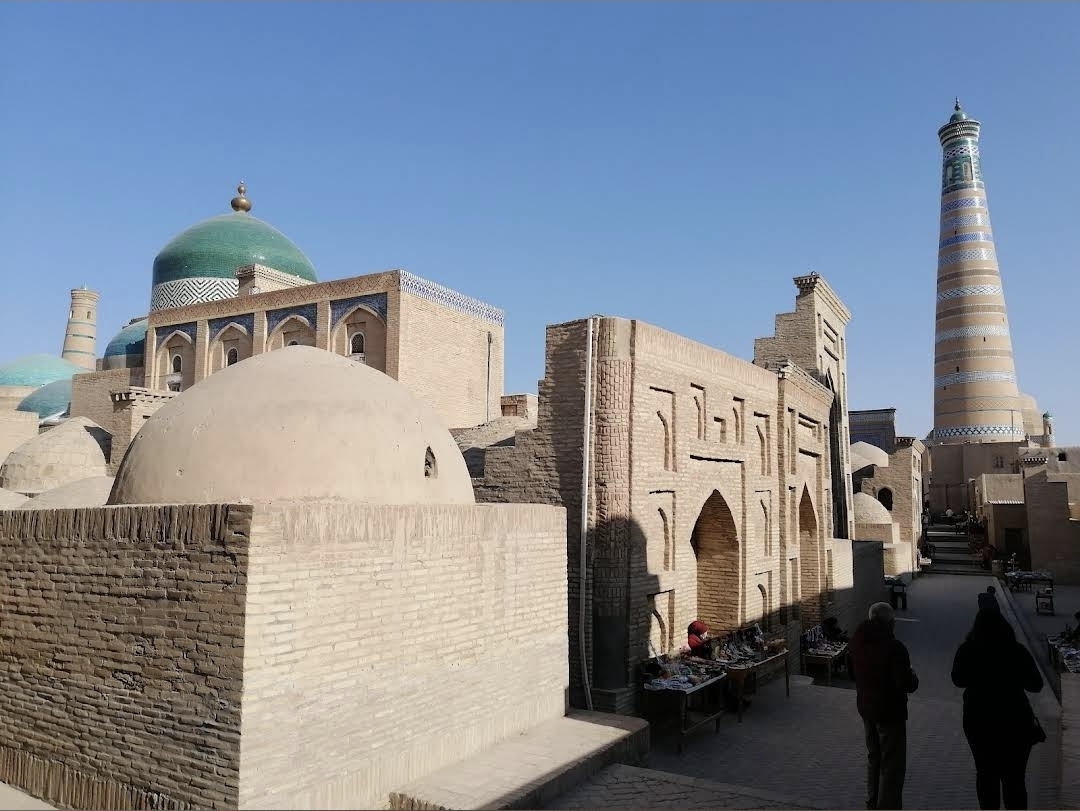
The Islam Khoja Minaret and architectural complex
🎧
Listen Audio Guide
⏱ Working hours: 08.00-19.00
💰 Ticket: 150.000 UZS
📍 Address: https://maps.app.goo.gl/Vmg2j1rxattt6tdb8?g_st=ac
The Islam Khoja Minaret and architectural complex, located in the historic center of Ichan-Kala in Khiva, was built between nineteen hundred and eight and nineteen hundred and ten. The complex was commissioned by Islam Khoja, the progressive chief vizier of the Khiva Khanate, who championed educational reforms, modern infrastructure, and healthcare.
The Islam Khoja Minaret is the tallest structure in Khiva and one of the highest in Uzbekistan, reaching a height of fifty-six point six meters with a base diameter of nine point five meters. Its slender, tapered silhouette draws inspiration from fourteenth-century Khorezm architectural traditions. The brick shaft is artistically adorned with horizontal bands of turquoise, blue, and white glazed ceramic tiles that create a striking visual rhythm. At the top, the minaret features an openwork lantern and a dome. An internal spiral staircase leads up to an observation platform, offering breathtaking panoramic views over the entire ancient oasis. Directly adjacent to the minaret is the compact Islam Khoja Madrasah, which comprises forty-two student cells and a domed prayer hall. thank you for your attention
City: Хива
 0:00
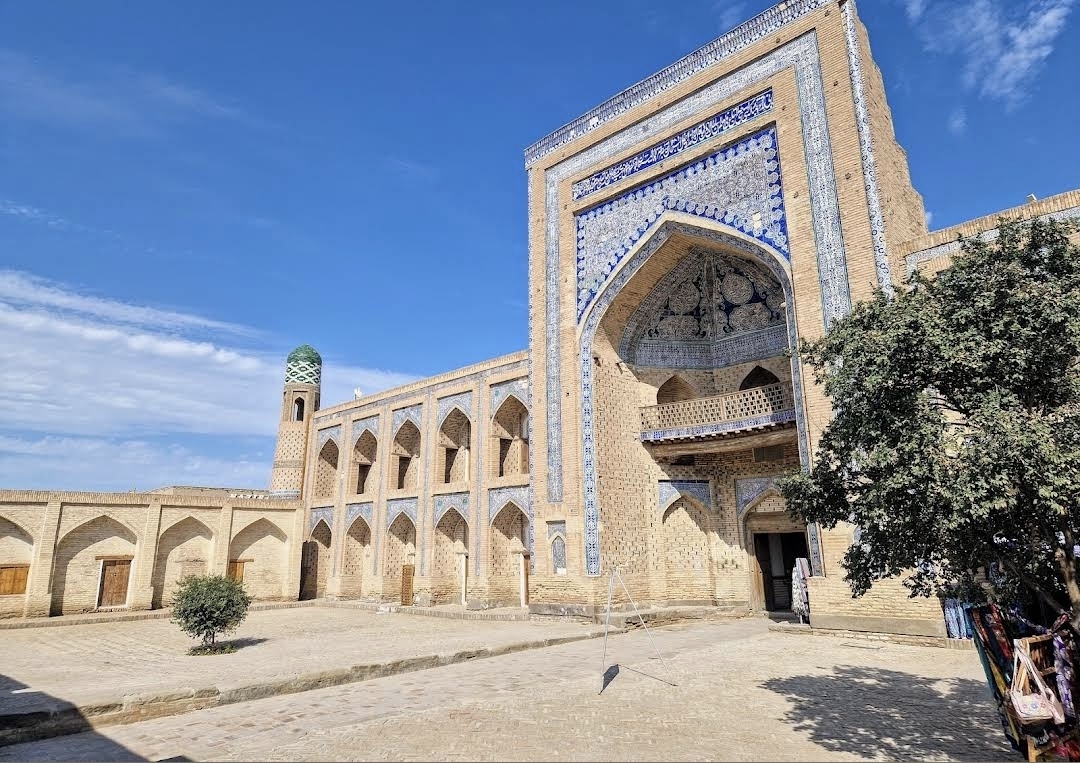
The Muhammad Rahim-Khan II Madrasah
🎧
Listen Audio Guide
⏱ Working hours: 08.00-19.00
💰 Ticket: 150.000 UZS
📍 Address: https://maps.app.goo.gl/FoVRsEZStXrn3yM8A?g_st=ac
The Muhammad Rahim-Khan II Madrasah was built in eighteen seventy-one opposite the Kunya-Ark citadel and is one of the largest in Khiva. Ruler Muhammad Rahim-Khan II was an enlightened monarch, a poet writing under the pen name Feruz, and a devoted patron of education and science. The complex features a thoughtful architectural layout with spacious classrooms, an inner courtyard, and domed student cells. thank you for your attention to exit press the button
City: Хива
 0:00
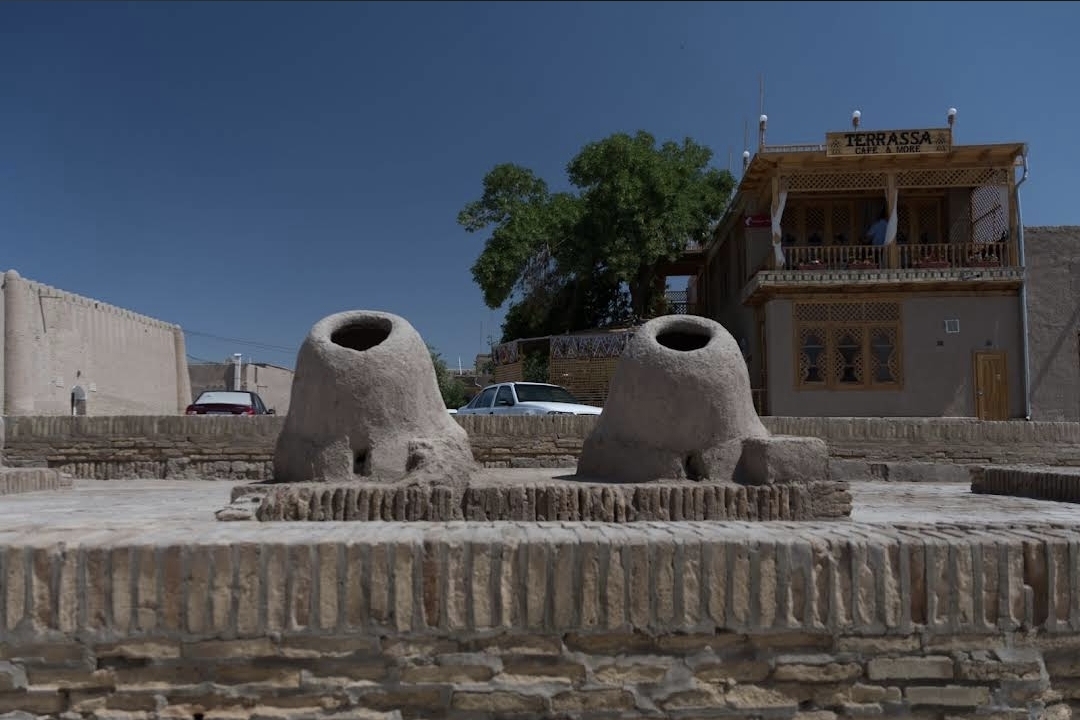
The Zindan (Prison)
🎧
Listen Audio Guide
⏱ Working hours: 09.00-19.00
💰 Ticket: -
📍 Address: https://maps.app.goo.gl/9CbFFjaykF8JTWTJA?g_st=ac
The Zindan (Prison) in Khiva is a 19th-century historical prison building located within the historic Ichan-Kala fortress, close to the western gate and the Kunya-Ark citadel. The prison complex was constructed in 1855–1856 by order of the Khiva ruler Muhammad Kuli-bek.
Architecture & Layout: The complex is surrounded by a high, fortified mud-brick wall designed to prevent escapes. It was traditionally divided into two sections: administrative rooms for guards and officials, and the secure detention area containing prison cells. These included both regular barred cells and deep underground pit-prisons ("kutu") where dangerous criminals or debtors were lowered in complete darkness, cramped conditions, and harsh temperatures.
Museum Exhibit: Today, the Zindan serves as a museum displaying exhibitions dedicated to the judicial and penal system of the former Khiva Khanate. Inside the cells, lifelike mannequins realistically recreate the grim conditions of prisoners and the punitive practices of the era.
thank you for your attention
City: Хива
 0:00
The Kalta-Minor Minaret
🎧
Listen Audio Guide
⏱ Working hours: 08.00-19.00
💰 Ticket: 150.000 UZS
📍 Address: https://maps.app.goo.gl/KSMgf4UYT2LqyT828?g_st=ac
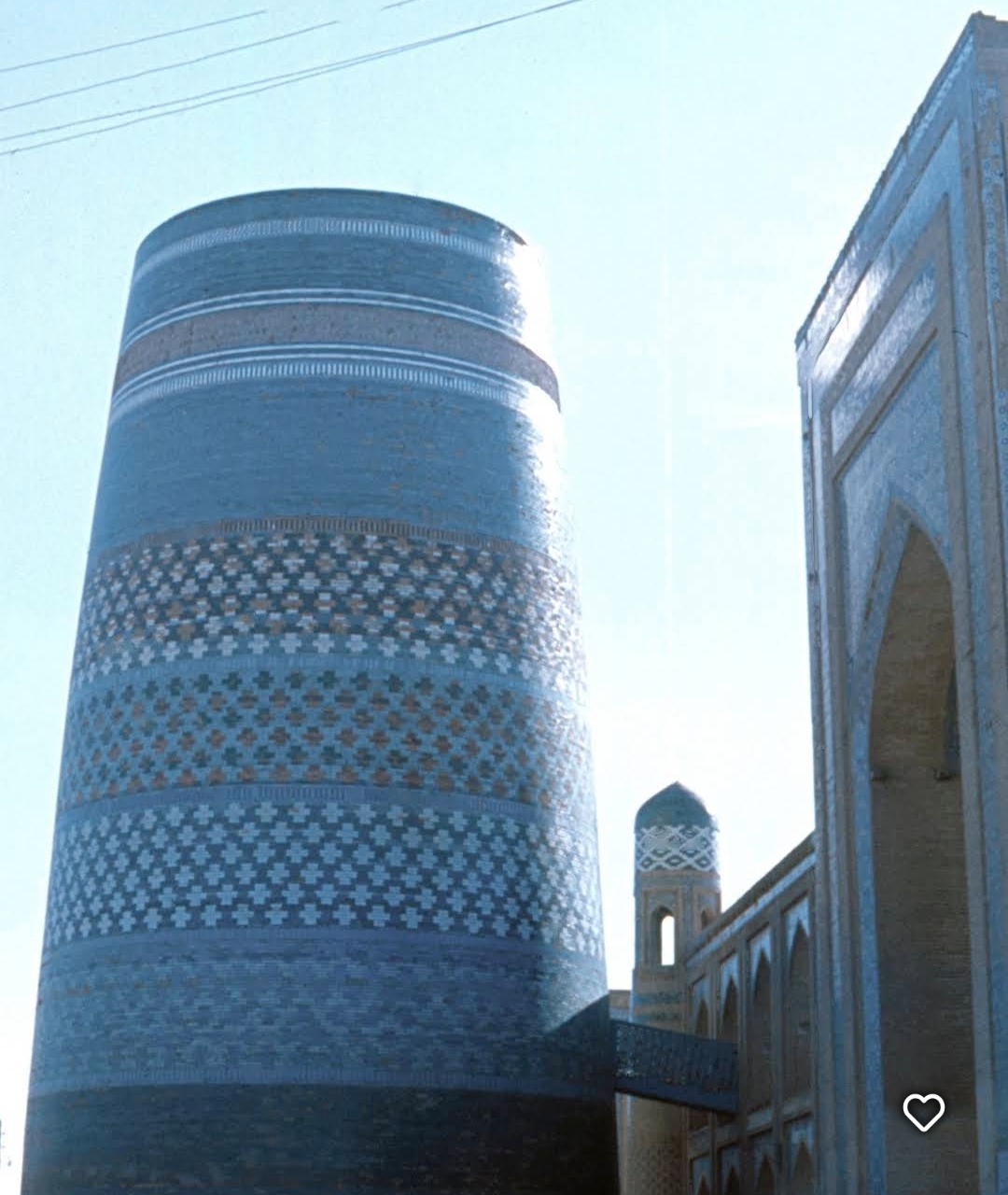
The Kalta-Minor Minaret in Khiva was initiated in eighteen fifty-two by ruler Muhammad Amin-Khan, who intended to build the tallest tower in the Muslim world, reaching up to eighty meters. However, construction abruptly stopped in eighteen fifty-five following the Khan's death. Due to its unique stout proportions and complete cladding of turquoise glazed tiles and intricate patterns, the twenty-nine-meter tower became known as the "Short Minaret" and remains an iconic symbol of the city. thank you for your attention
City: Хива
 0:00
The Arab Muhammad-Khan Madrasah
🎧
Listen Audio Guide
⏱ Working hours: -
💰 Ticket: По единому билету 150.000 UZS
📍 Address: https://maps.app.goo.gl/p4kqHLFYqazwxb6B6
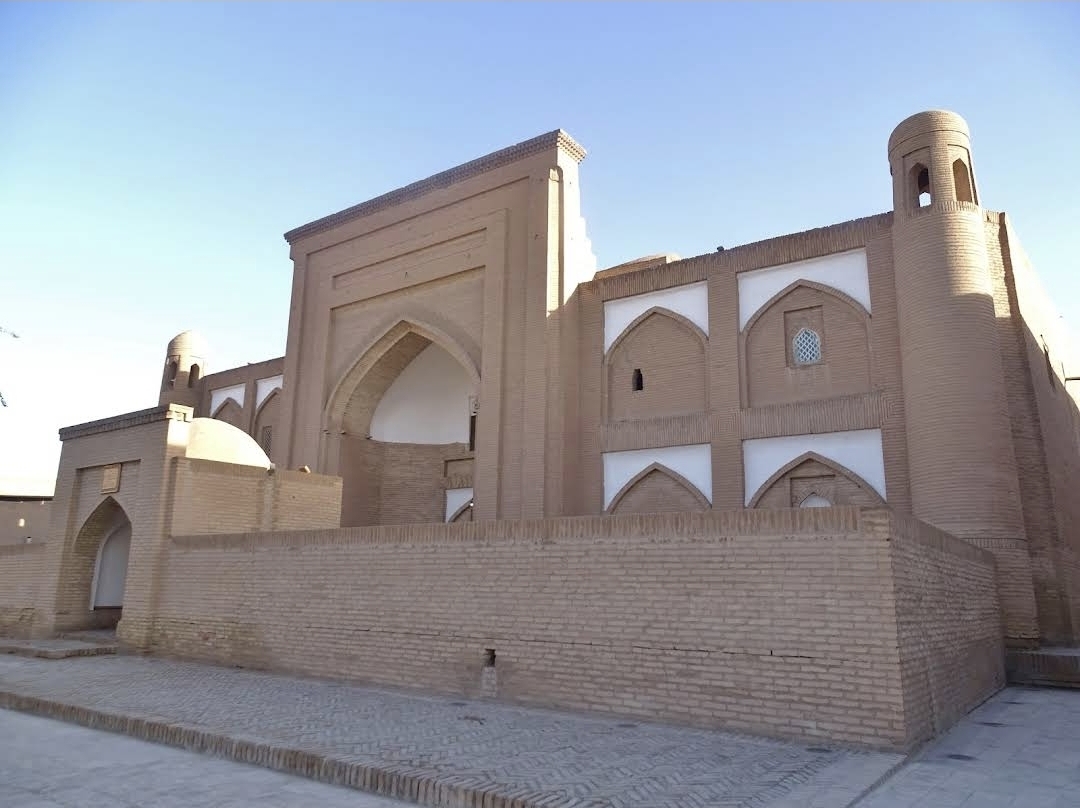
The Arab Muhammad-Khan Madrasah in Ichan-Kala (Khiva) was built in sixteen sixteen and is one of the city's oldest architectural landmarks. The structure was erected by order of ruler Arab Muhammad-Khan to commemorate moving the capital of the Khorezm state to Khiva. Originally a single-story building, it was later remodeled under Allakulikhan, acquiring a two-story main facade with a courtyard and student rooms. thank you for your attention to exit press the button
City: Хива
 0:00
The Kunya-Ark Citadel ("old fortress")
🎧
Listen Audio Guide
⏱ Working hours: 08.00-19.00
💰 Ticket: 150.000 UZS
📍 Address: https://maps.app.goo.gl/MqAe1eZgc3Gkwbmn8?g_st=ac
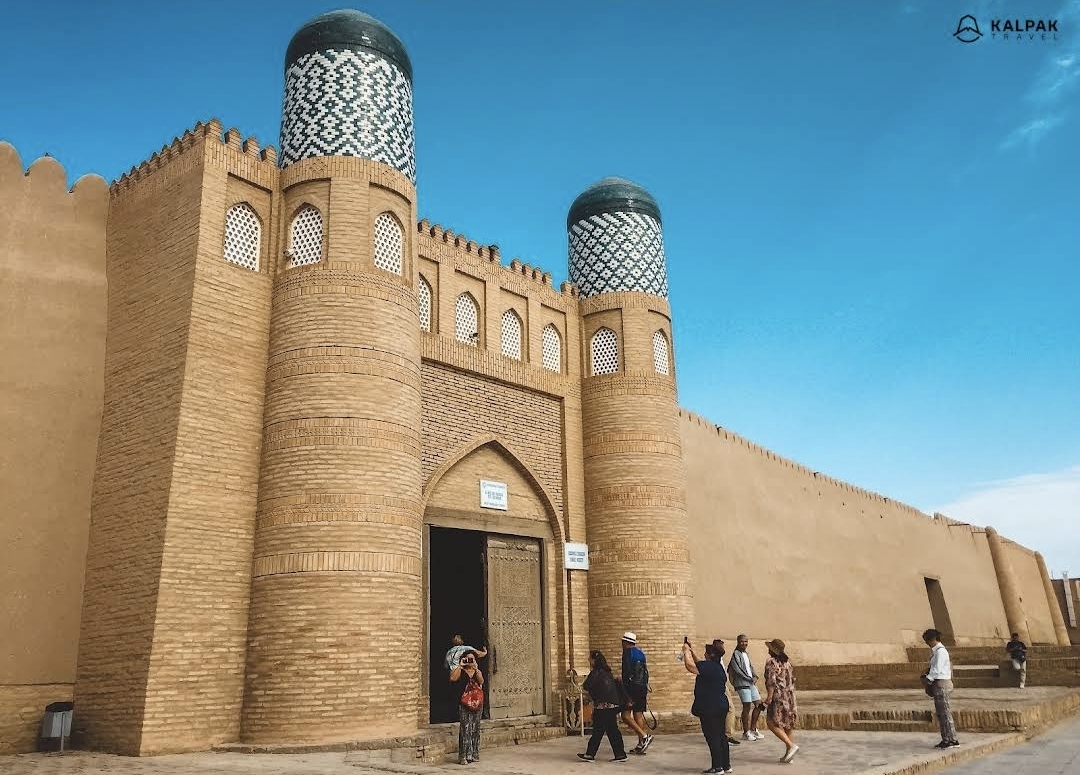
The Kunya-Ark Citadel ("old fortress") was the official residence of the rulers of the Khiva Khanate, erected in the late seventeenth century. The complex operated as a "city within a city" protected by a high defensive wall. Inside, it housed several distinct courtyards, the khan's reception hall (kurinishkhana), a mosque, a mint, a harem, and the Akshikh-bobo watchtower, which offers a breathtaking panoramic view of the ancient Ichan-Kala ensemble. thank you for your attention
City: Хива
 0:00
The Nurullabay Palace
🎧
Listen Audio Guide
⏱ Working hours: 09.00-19.00
💰 Ticket: 50.000 UZS
📍 Address: https://maps.app.goo.gl/TE6aSBkg7DZ8E6ow8?g_st=ac
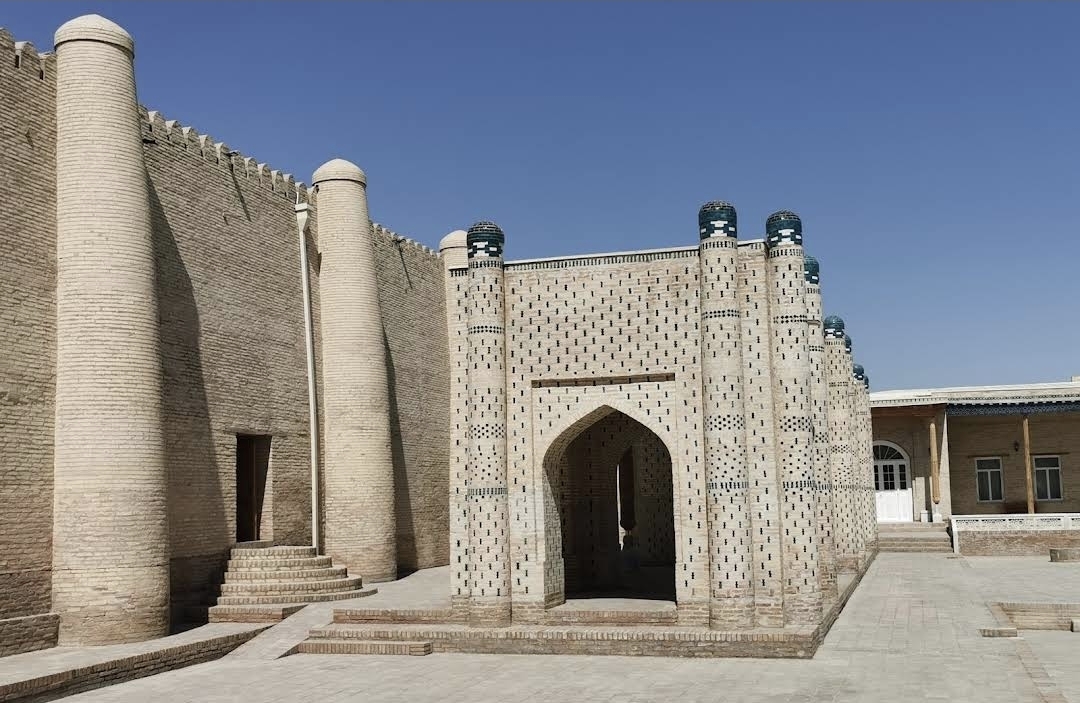
The Nurullabay Palace is a lavish suburban residence of the Khiva khans, located outside the Ichan-Kala fortress walls in the outer city of Dishan-Kala. The complex was built in the late nineteenth and early twentieth centuries by order of Muhammad Rahim Khan II and his successor Asfandiyar Khan. Its architecture and interiors feature a unique blend of traditional Oriental design and European Art Nouveau elements. Of particular significance are the grand reception halls, decorated with exquisite ganch (stucco) carvings, gold-leaf-trimmed ornaments, and elegant Russian glazed tiles on the fireplaces. thank you for your attention
City: Хива
 0:00
Toprak-Kala ("Earthen Fortress")
🎧
Listen Audio Guide
⏱ Working hours: -
💰 Ticket: -
📍 Address: https://maps.app.goo.gl/DNsEMdK796WZRbUq7?g_st=ac
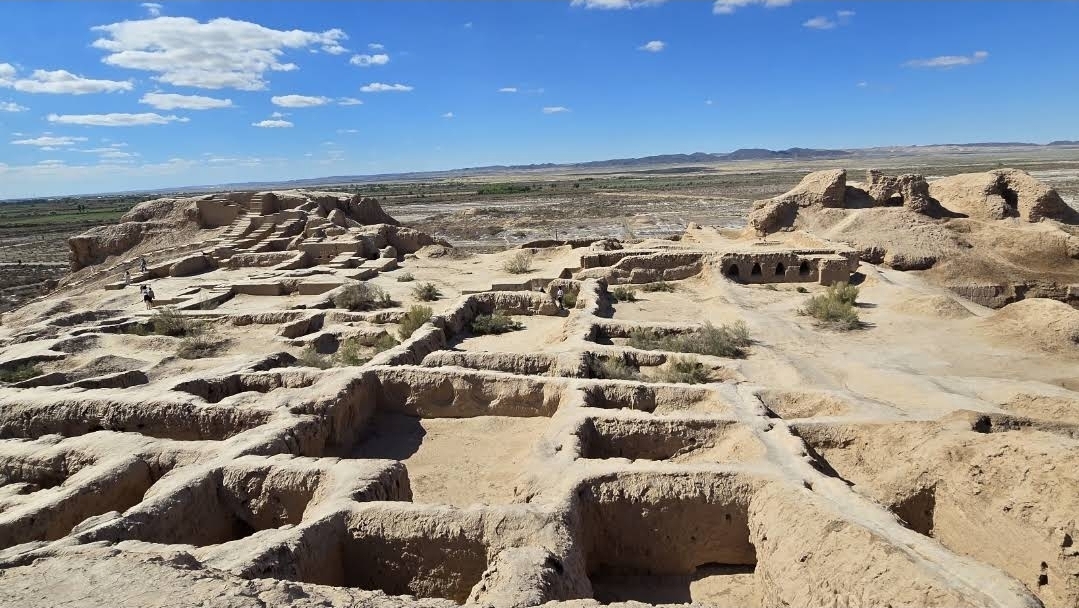
Toprak-Kala ("Earthen Fortress") is an outstanding archaeological site of ancient Khorezm dating from the 1st to the 6th century CE, located in the Ellikkala District of Karakalpakstan. In the 3rd century CE, it served as the capital of the Khorezmian state. The ancient city was discovered in 1938 by the prominent archaeologist Sergey Tolstov.
The city features a strictly regular grid plan with straight streets dividing it into distinct residential and administrative blocks. The core of the site was the monumental Grand Palace Complex, which rose up to forty meters and contained around 150 rooms and halls. Archaeological excavations yielded rare ancient Khorezmian documents written on wood and leather, intricate wall paintings, sculptures, and ceremonial chambers such as the Hall of Dancing Masks. Toprak-Kala remains a masterpiece of urban planning and artistry from the ancient civilization of the lower Amu Darya. thank you for your attention
City: Хива
 0:00
Ayaz-Kala
🎧
Listen Audio Guide
⏱ Working hours: -
💰 Ticket: -
📍 Address: https://maps.app.goo.gl/cjCNQrqn79UorRDY9?g_st=ac
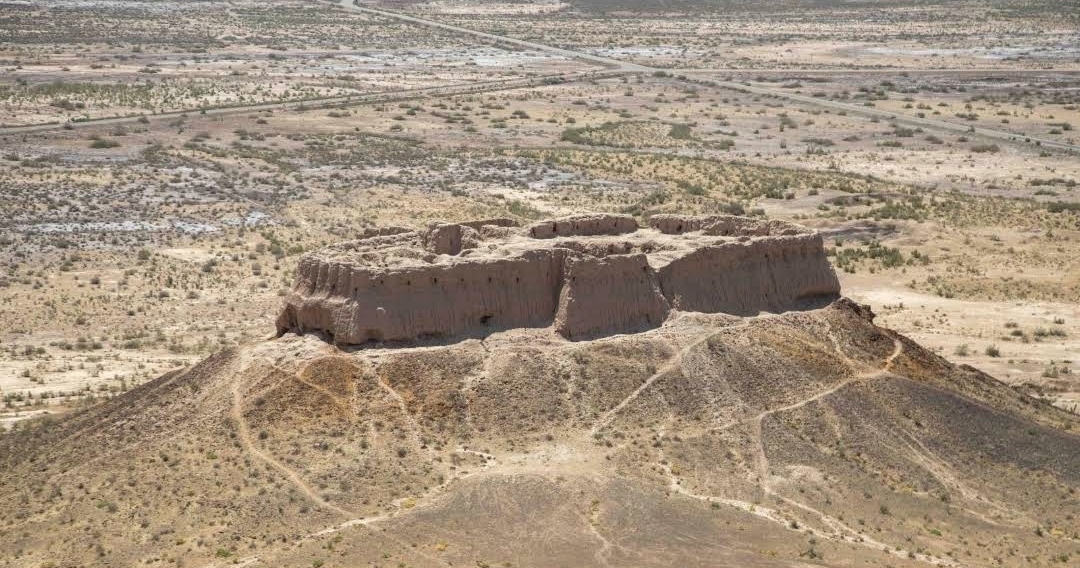
Ayaz-Kala is one of the most magnificent and picturesque archaeological sites of Ancient Khorezm, located in the Ellikkala District of the Republic of Karakalpakstan, amidst the vast expanses of the Kyzylkum Desert. The name translates as the "Fortress in the Wind". The site comprises the ruins of three powerful citadels built during different historical periods on hilltops and slopes:
Ayaz-Kala 1: The oldest and best-preserved fortress, constructed in the 4th to 3rd centuries BCE to protect the northern borders of the state from nomadic raids. It features rectangular architecture, double adobe walls up to ten meters high, arrowslits, and two-tiered defensive galleries.
Ayaz-Kala 2: A later stronghold built during the Kushan period and expanded in the 5th to 8th centuries CE (Afrigid era). Situated on a conical hill, it features the remains of a monumental palace with vaulted ceilings and an intricate entrance labyrinth.
Ayaz-Kala 3: A vast fortified settlement enclosed by thick walls with towers, housing the ruins of a large ancient palace in its interior.
The hilltops offer breathtaking panoramic views of Lake Ayazkol and the surrounding desert. According to local folklore, the fortress is linked to the legendary figure of Ayaz, a brave shepherd or warrior.
thank you for your attention
📭 No objects found for your request.